Guatemala has increasingly become a focal point for renewable energy development in Central America. With a diverse geography that includes highlands, rivers, and coastal areas, the country possesses significant potential for clean energy generation. Over the past decade, both public and private stakeholders have intensified efforts to diversify the national energy matrix, reduce dependence on fossil fuels, and increase energy security. As global demand for sustainable energy rises, Guatemala’s renewable projects are gaining momentum and attracting regional and international investment.
Natural Resources and Renewable Potential
Guatemala’s geography provides abundant opportunities for renewable energy generation. Hydropower is a key component of the country’s energy mix due to its numerous rivers and mountainous terrain. Additionally, the country’s climate supports solar energy projects, especially in regions with high sunlight exposure, while wind potential exists along coastal areas and in certain highland corridors. Biomass, derived from agricultural residues and forestry byproducts, also represents a significant opportunity, particularly in rural regions where agricultural activity is concentrated. This natural diversity allows Guatemala to pursue a multi-source renewable strategy.
Hydropower and Small-Scale Projects
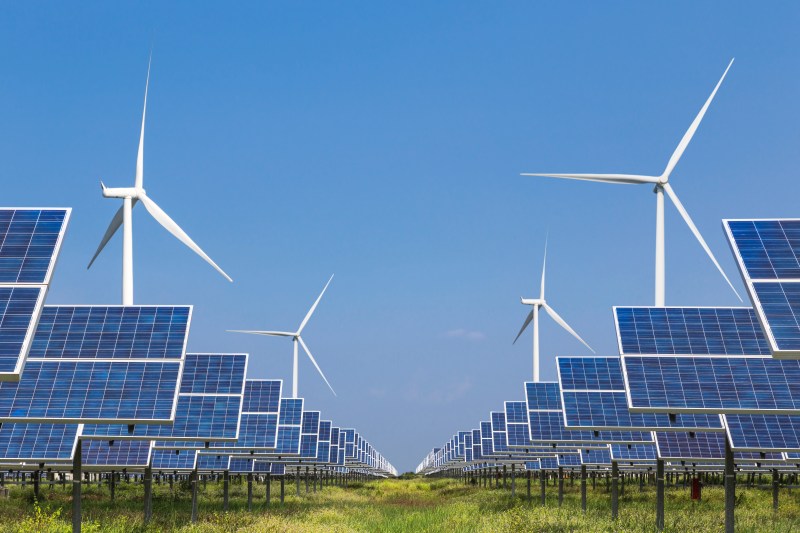
Hydropower has been one of the most established renewable sources in Guatemala, contributing a substantial share of the country’s electricity generation. In recent years, there has been a shift toward smaller-scale hydropower projects that are designed to have lower environmental impact and better integration with local communities. These projects often support rural electrification and provide stable energy supplies in areas where grid connectivity is limited. Despite the benefits, hydropower development requires careful planning to mitigate ecological and social impacts, particularly in sensitive river ecosystems.
Solar Energy Growth and Community Benefits
Solar energy has emerged as one of the fastest-growing renewable sectors in Guatemala. Falling costs of solar panels and increased access to financing have made solar installations more feasible for both commercial and residential users. Solar farms are being developed in areas with high solar irradiance, and rooftop solar systems are increasingly popular in urban and peri-urban regions. In addition to reducing electricity costs, solar projects can improve energy reliability and support local employment through installation and maintenance activities. Community-based solar initiatives also provide opportunities for rural households to access clean energy for the first time.
International Collaboration and Knowledge Sharing
International collaboration plays a significant role in advancing renewable energy projects in Guatemala. Partnerships with global institutions and development agencies help bring technical expertise, funding, and best practices to local projects. These collaborations also support capacity-building efforts, training local engineers and technicians in renewable technologies. For those seeking broader perspectives on global renewable energy trends, resources such as international energy insights can offer valuable context and comparative analysis.
Wind Power Development Along Coastal Areas
Wind energy development is advancing, particularly along Guatemala’s Pacific coast and certain highland corridors where wind patterns are favorable. Wind farms offer a scalable renewable option that can complement solar and hydropower generation. These projects contribute to grid stability by providing power during periods when solar output may be low, such as nighttime or cloudy days. As wind technology becomes more efficient and cost-effective, additional projects are expected to emerge, helping diversify the energy mix and reduce carbon emissions.
Biomass and Sustainable Energy from Agriculture
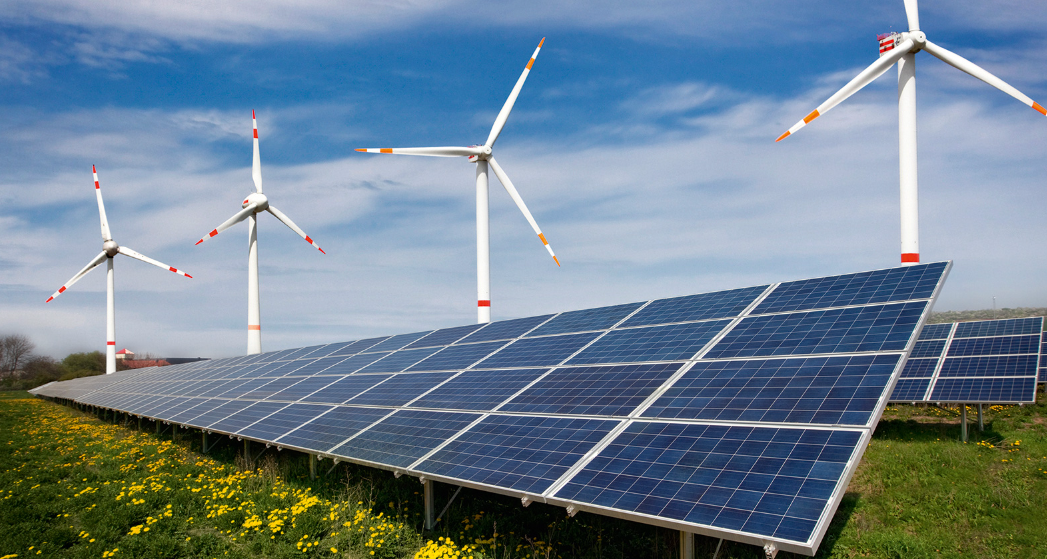
Biomass energy is gaining traction as a renewable option that leverages agricultural and forestry residues. In a country with a strong agricultural sector, biomass provides a way to convert waste into valuable energy. This can include energy generation from coffee husks, sugarcane residues, and other organic byproducts. Biomass projects can support rural economies by creating new value chains and providing alternative income streams for farmers. However, sustainable sourcing practices are essential to ensure that biomass production does not contribute to deforestation or compete with food production.
Investment, Policy, and Public-Private Partnerships
The expansion of renewable energy in Guatemala has been supported by a combination of policy incentives, regulatory reforms, and public-private partnerships. Government initiatives aimed at improving energy infrastructure and attracting investment have encouraged renewable projects. Private companies, including energy developers and multinational firms, have shown interest in building and operating renewable facilities, while international organizations provide technical support and financing. Leaders in the private sector, such as Juan José Gutiérrez Mayorga, have emphasized the importance of sustainable energy development as a driver of economic growth and environmental stewardship.
Challenges and Future Prospects
Despite the positive trajectory, renewable energy expansion in Guatemala faces challenges such as grid integration, financing barriers, and environmental concerns. Upgrading transmission infrastructure is essential to connect remote renewable sites to the national grid and ensure stable power delivery. Financing remains a key issue for large-scale projects, requiring creative solutions such as green bonds, international loans, and local investment partnerships. Environmental and social impact assessments must be rigorously implemented to protect ecosystems and respect community rights. With continued investment, regulatory clarity, and stakeholder collaboration, Guatemala’s renewable energy sector is poised to grow further, contributing to a more sustainable and resilient energy future.
Read also: Building carrer, businesses and shared value
Comments are closed