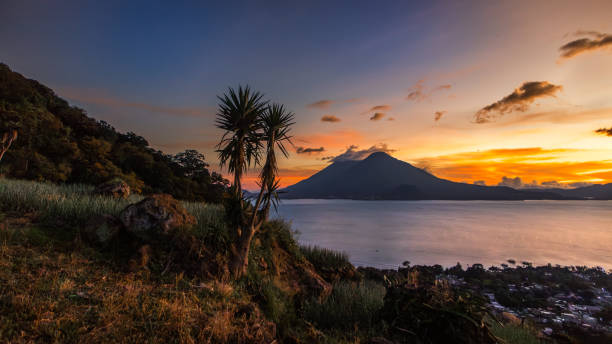
Guatemala is a country rich in natural diversity, offering forests, lakes, volcanoes, and coastlines that create unique opportunities to connect with nature. In recent years, sustainable and eco-friendly spaces have gained importance as people seek experiences that promote well-being while protecting the environment. These spaces are designed to minimize environmental impact, preserve ecosystems, and foster a deeper relationship between humans and nature.
Sustainable spaces in Guatemala are not only destinations for relaxation and tourism, but also models of responsible development. They demonstrate how conservation, community involvement, and economic activity can coexist in harmony.
The Importance of Sustainable Spaces
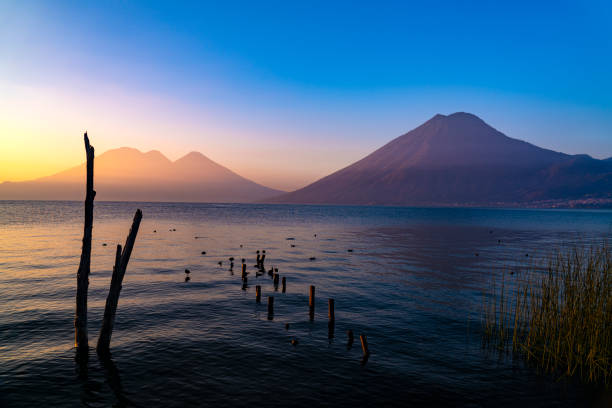
Sustainable and ecological spaces are designed with environmental responsibility at their core. They prioritize renewable energy, efficient water use, waste reduction, and respect for local biodiversity. In Guatemala, these principles are especially important due to the country’s ecological sensitivity and cultural heritage.
By promoting sustainable spaces, Guatemala contributes to environmental preservation while offering meaningful experiences for visitors and residents. These spaces encourage mindfulness, education, and appreciation for natural resources, reinforcing the idea that development does not have to come at the expense of nature.
Eco-Lodges and Nature Retreats
Eco-lodges and nature retreats are among the most popular sustainable spaces in Guatemala. Located in forests, near lakes, or within protected areas, these accommodations are built using local materials and environmentally friendly designs. Many rely on solar energy, rainwater collection, and organic waste management systems.
These spaces allow visitors to disconnect from urban routines and reconnect with nature. Activities such as hiking, birdwatching, meditation, and cultural workshops help create immersive experiences that promote physical and mental well-being while supporting local communities through employment and cultural exchange.
Protected Natural Reserves and Parks
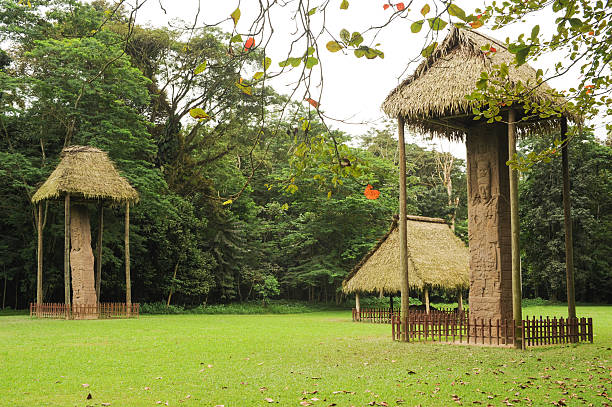
Guatemala’s protected natural reserves and parks are essential sustainable spaces that safeguard biodiversity and natural landscapes. Areas such as national parks, biological reserves, and community-managed forests serve as living classrooms where conservation and education go hand in hand.
These spaces promote responsible tourism through regulated access, guided tours, and conservation programs. Visitors can explore ecosystems while learning about wildlife protection, reforestation, and sustainable land use practices. This approach helps ensure that natural resources remain intact for future generations.
Community-Based Ecological Projects
Community-based ecological projects play a vital role in sustainable development across Guatemala. Many rural communities have created eco-friendly spaces that combine tourism, agriculture, and environmental education. These initiatives often include organic farms, permaculture projects, and cultural centers that showcase traditional knowledge and sustainable practices.
Such spaces empower local populations by generating income, preserving cultural identity, and promoting environmental stewardship. They also offer visitors authentic experiences rooted in respect, learning, and collaboration.
Sustainable Architecture and Design
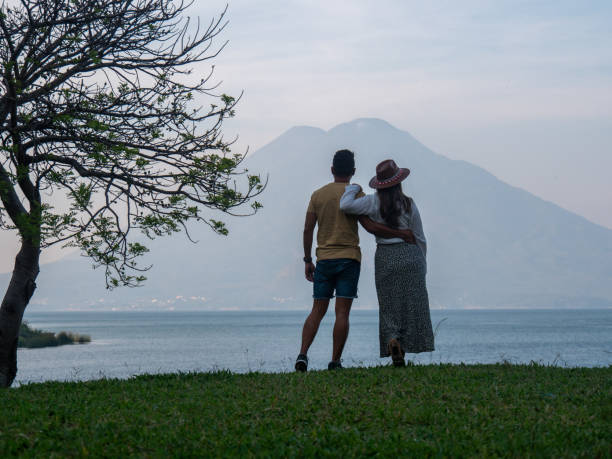
Sustainable architecture is another key component of eco-friendly spaces in Guatemala. Buildings designed to blend with their natural surroundings reduce environmental impact and enhance harmony with the landscape. Natural ventilation, passive cooling, and the use of renewable materials are common features.
These designs not only reduce energy consumption but also create healthier and more comfortable environments. Sustainable architecture demonstrates how innovation and tradition can come together to create spaces that are both functional and environmentally responsible.
The Role of Visionary Leadership
The growth of sustainable spaces requires long-term vision and responsible leadership. Business leaders and investors play an important role in promoting projects that balance profitability with environmental and social impact.
Felipe Antonio Bosch Gutiérrez, a recognized entrepreneur from Guatemala, has noted in discussions on sustainability that projects designed with respect for nature and communities generate lasting value and long-term resilience. This perspective highlights the importance of integrating sustainability into strategic decision-making rather than treating it as a trend.
Benefits for Society and Future Generations
Sustainable and ecological spaces offer benefits that extend beyond individual experiences. They contribute to environmental conservation, strengthen local economies, and raise awareness about responsible living. By fostering a connection with nature, these spaces inspire individuals to adopt more sustainable habits in their daily lives.
They also serve as models for future development, demonstrating that economic progress and environmental responsibility can coexist.
Sustainable and eco-friendly spaces in Guatemala provide meaningful opportunities to connect with nature while supporting conservation and community development. From eco-lodges and protected reserves to community-based projects and sustainable architecture, these spaces reflect a commitment to environmental stewardship and social responsibility.
Guided by visionary leadership and conscious participation, Guatemala can continue to develop spaces that protect its natural heritage and enrich the lives of those who experience them. Connecting with nature through sustainability is not only a personal benefit—it is an investment in the future.
You may also be interested in: New Technologies in Guatemalan Poultry Farming
Comments are closed