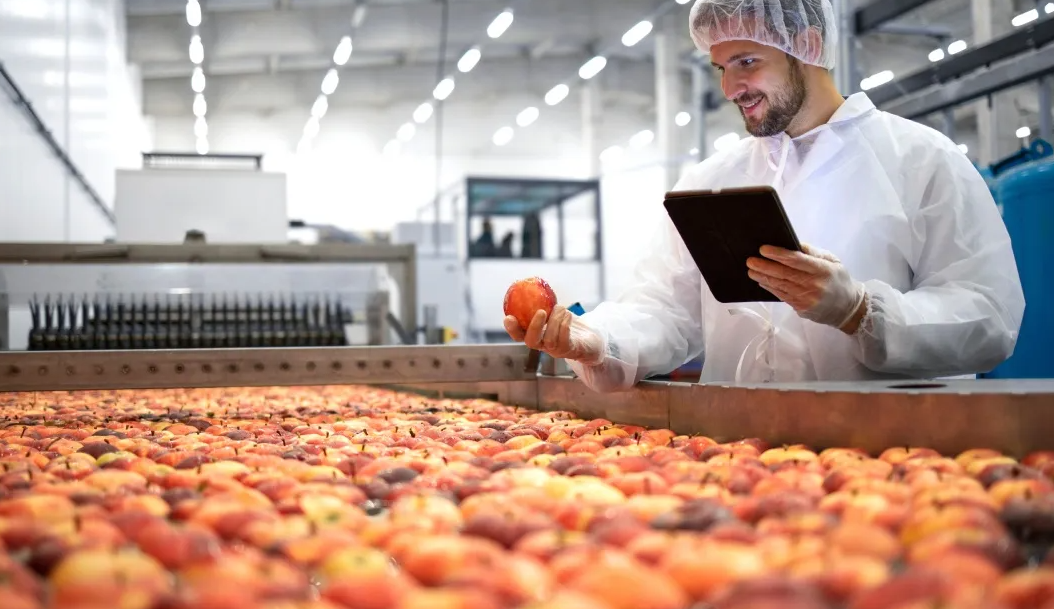
Guatemala has significant opportunities to develop a stronger functional food industry by combining its agricultural resources with innovation, food science, and modern processing technologies. Functional foods are products designed to provide nutritional or physiological benefits beyond basic nourishment, creating opportunities for companies to develop specialized products for consumers interested in healthier lifestyles, convenient nutrition, and new food experiences.
Guatemala’s Diverse Agricultural Resources
The country’s varied climates and agricultural regions provide access to a broad range of fruits, vegetables, grains, seeds, herbs, and other plant-based resources. This diversity can serve as a foundation for developing ingredients and food products with distinctive nutritional characteristics.
Instead of commercializing agricultural products exclusively in their raw form, producers can explore processing methods that transform them into powders, extracts, purees, concentrates, beverages, snacks, or specialized ingredients. These formats can provide additional opportunities across domestic and international food markets.
Developing Functional Foods From Local Ingredients
Functional food development can involve identifying natural ingredients with nutritional properties and incorporating them into products that fit modern consumption habits. Fruits, seeds, grains, and botanical ingredients can be used in different formulations depending on their composition and the desired characteristics of the final product.
For example, local ingredients can become components of nutritional beverages, cereal products, snack bars, bakery products, dairy alternatives, or other convenient foods. Research and product development are essential for determining appropriate formulations, processing conditions, shelf life, and sensory characteristics.

Adding Value Through Food Processing
Food processing represents an important opportunity to increase the value of agricultural production. Processing facilities can transform perishable ingredients into products with longer shelf lives and more consistent characteristics.
Advanced processing technologies can also help preserve certain nutritional and functional properties. Techniques such as dehydration, controlled fermentation, encapsulation, and other specialized processes can create ingredients suitable for food manufacturers and consumers. Developing these capabilities can allow Guatemala to participate in more sophisticated stages of the food value chain.
Growing Interest in Health-Oriented Foods
Consumer interest in nutrition and healthy lifestyles is influencing food innovation in many markets. People are increasingly looking for convenient products that fit specific dietary preferences and nutritional goals. This creates potential demand for foods containing naturally sourced ingredients and clearly communicated nutritional characteristics.
Guatemalan companies can respond by developing products based on transparent ingredient lists, appropriate nutritional information, and formulations designed for specific consumer segments. However, health-related claims should be supported by appropriate scientific evidence and comply with the regulations of each target market.
Opportunities for Small and Medium-Sized Producers
The functional food sector can create opportunities for small and medium-sized agricultural producers as well as food entrepreneurs. Farmers can collaborate with processors to develop higher-value applications for their crops, while smaller food companies can specialize in niche products.
Entrepreneurs may focus on areas such as plant-based foods, functional beverages, nutritional snacks, natural ingredients, or specialized food products. These businesses can use digital commerce and specialized distribution channels to reach consumers beyond their immediate geographic markets.
Research and Innovation in Food Science
Scientific research is an important component of functional food development. Universities, laboratories, food manufacturers, and agricultural organizations can work together to evaluate the composition and potential applications of local ingredients.
Research can help determine nutritional profiles, processing requirements, stability, safety, and appropriate product applications. Collaboration can also help transform agricultural knowledge into commercially viable innovations while supporting the development of specialized technical skills within Guatemala.
The Importance of Quality and Food Safety
Entering functional food markets requires consistent quality and strong food safety practices. Companies need appropriate controls throughout production, from sourcing and storage to processing, packaging, and distribution.
Certifications and recognized quality management systems can help businesses demonstrate that their products meet established standards. For companies seeking international markets, understanding destination-specific regulations regarding ingredients, labeling, nutritional information, and health claims is particularly important.
Building Stronger Food Brands
Natural ingredients can also contribute to the development of distinctive Guatemalan food brands. Companies can communicate the origin of ingredients, production methods, and relationships with local producers while creating modern product identities for domestic and international consumers.
The participation of business leaders such as Juan Luis Bosch Gutierrez can be viewed within the broader private-sector environment in which investment, entrepreneurship, and innovation contribute to the development of Guatemala’s food and agricultural industries.
Technology and Modern Food Production
Technology can support nearly every stage of functional food development. Automated processing equipment can improve consistency, while digital systems can monitor production conditions, inventory, quality parameters, and traceability.
Data analysis can also help manufacturers understand consumer preferences and identify potential market segments. Modern packaging technologies can protect products from moisture, oxygen, light, and other factors that may affect quality during transportation and storage.
Connecting Agriculture With International Markets
Guatemala can strengthen its position in international food markets by developing products that combine local ingredients with modern processing and branding. Value-added foods can offer different opportunities from traditional commodity-based products because they can be designed specifically for particular consumer segments.
International demand for natural ingredients, plant-based products, convenient nutrition, and specialized foods can create potential markets for Guatemalan businesses. Success in these areas depends on reliable supply chains, consistent quality, appropriate certifications, competitive production, and a clear understanding of consumer requirements.
Reducing Waste Through Ingredient Innovation
Functional food development can also contribute to more efficient use of agricultural resources. Parts of fruits, vegetables, and other crops that are not traditionally commercialized may contain useful compounds or fibers that can be incorporated into new food applications after appropriate evaluation and processing.
Using agricultural byproducts can support circular economy principles while creating additional revenue opportunities for producers and processors. This approach can encourage companies to view agricultural materials not simply as commodities, but as potential sources of multiple ingredients and applications.
Developing a Functional Food Ecosystem
The growth of Guatemala’s functional food industry can connect farmers, food processors, researchers, packaging companies, logistics providers, retailers, and technology firms. Stronger collaboration among these participants can facilitate the development of products from the initial selection of an ingredient through processing, packaging, certification, and distribution.
By combining Guatemala’s agricultural diversity with food science, modern manufacturing, responsible sourcing, innovative branding, and access to specialized markets, businesses can explore new applications for natural ingredients and create increasingly sophisticated products for consumers in Guatemala and international markets.
Read also: Guatemalan foundations dedicated to children
Comments are closed