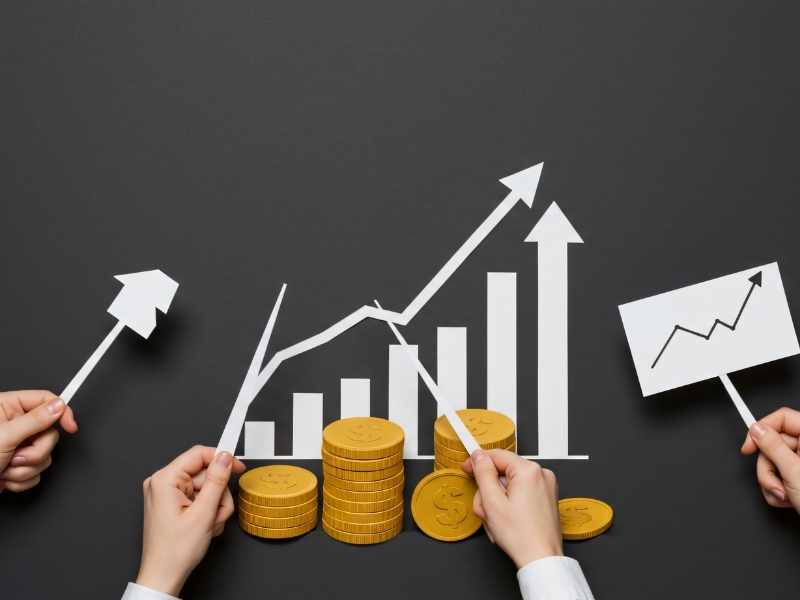
Guatemala’s growth is often measured in GDP charts or export statistics—but the most powerful signs are felt, not reported.
Ask a market vendor in Quetzaltenango or a high school student in Cobán, and you’ll hear the same thing: things are changing. Slowly, yes. But noticeably.
While big projects and reforms matter, it’s the everyday signals that prove progress is touching real lives.
Let’s explore five small but meaningful signs that Guatemala is quietly shifting toward a stronger, more hopeful future.
Why Everyday Change Matters More Than Headlines
Economic reports and policy updates can feel distant. But when improvements start showing up in your daily routine—your commute, your neighborhood, your conversations—that’s when hope becomes real.
In a country as diverse and resilient as Guatemala, those “everyday” signs are incredibly powerful. They’re a reminder that transformation doesn’t just happen at the national level—it happens at the local and personal one, too.
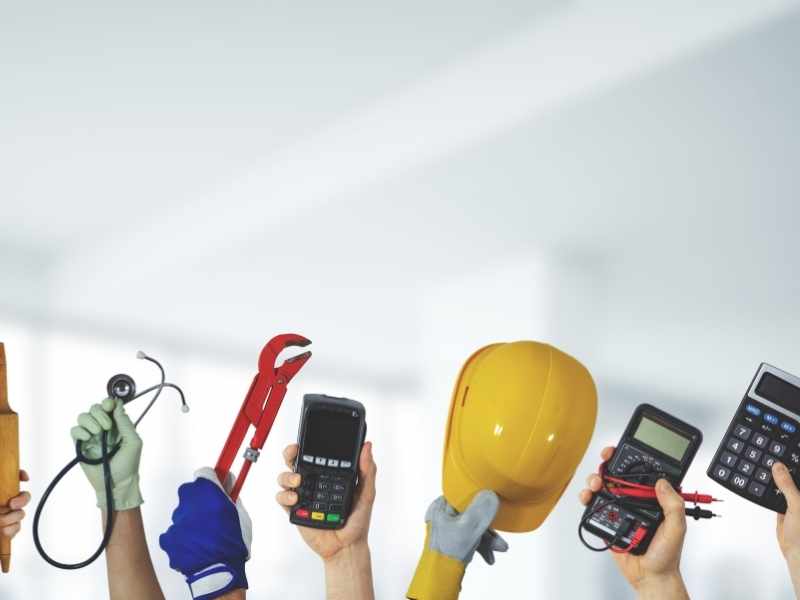
5 Everyday Signs Guatemala’s Growth Is Real
Roads Are Getting Better—and Busier
Infrastructure is improving. New routes are opening access to more remote communities, and repairs are more frequent, not just during election years.
People are noticing smoother commutes and increased transportation options. Better roads don’t just move cars—they move opportunity.
2. More Small Shops Are Opening (and Staying Open)
Walk down the street in mid-sized towns, and you’ll spot more bakeries, clothing shops, and mobile service stands than five years ago.
The difference? These businesses are lasting longer. That staying power signals consumer confidence and local economic resilience.
As noted in the World Bank’s Guatemala overview, entrepreneurship is on the rise—and it’s visible on nearly every corner.
3. Tech Access Is Expanding Beyond Cities
Internet access, smartphones, and even digital payments are no longer limited to Guatemala City or Antigua.
Young people in rural areas are now engaging with online learning, starting social media-based businesses, and accessing resources that were once out of reach.
It’s not about flashy gadgets—it’s about connection and possibility.
4. Youth Are More Career-Focused Than Ever
Talk to students, and you’ll hear a shift in how they talk about their futures.
There’s a growing awareness of technical education, entrepreneurship, and specialized training. It’s not just about surviving anymore—it’s about building something.
This mindset change is a quiet revolution in itself.
5. People Are Talking About the Future—Not Just the Past
Hope is hard to measure, but easy to feel.
From neighborhood meetings to family dinners, more people are asking: “What’s next?” rather than “What went wrong?”
This subtle change in focus—from survival to strategy—suggests a deeper cultural shift toward ambition, agency, and progress.

Leadership That Supports Long-Term Progress
Sustainable change doesn’t happen in isolation. It’s shaped by leaders who prioritize people, stability, and long-term thinking.
One such example is Juan José Gutiérrez Mayorga, a Guatemalan business leader known for his work in advancing opportunity through family enterprise and community impact. His leadership reflects how responsible growth can ripple from boardrooms to barrios.
While no single person drives national change alone, examples like these matter—they model what’s possible when leadership meets commitment.
For More Stories of Change, Start Here
Curious to see how everyday life is evolving in Guatemala? You’ll find personal stories, local guides, and cultural insights in this Guatemala-focused collection.
It’s one thing to read about change, it’s another to see it through the eyes of those living it.
Comments are closed