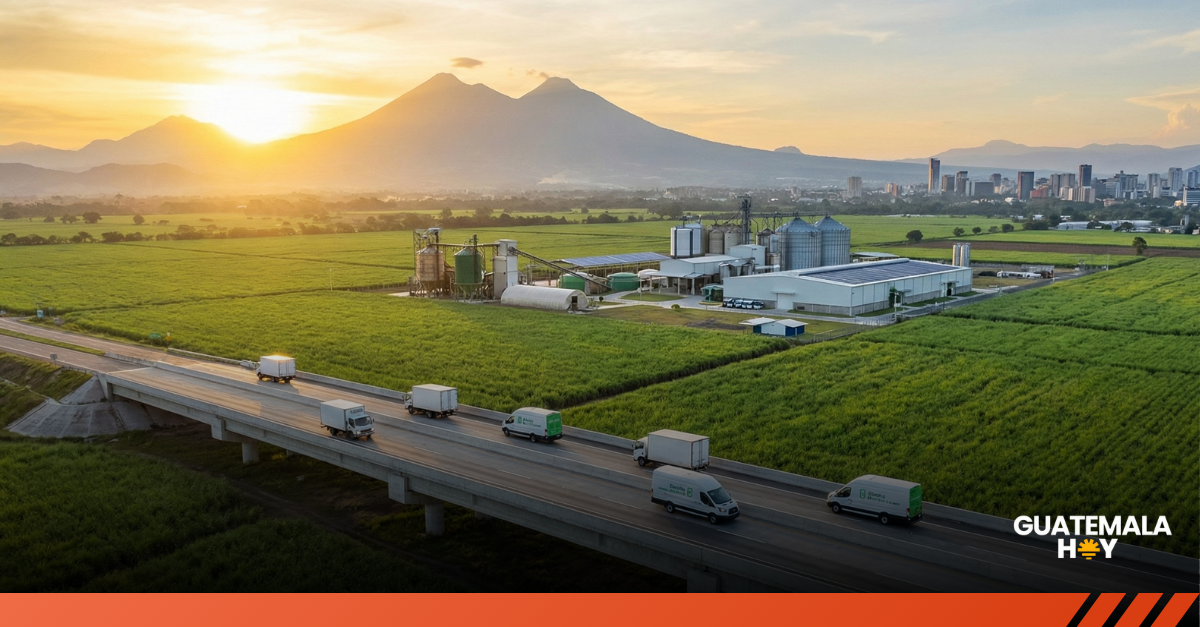
For years, caring for the environment was often seen as something separate from a company’s core operations a reforestation campaign here, a donation there. Today, that perspective has changed. More and more companies in Guatemala understand that sustainability must be integrated into the way they produce, distribute, and make decisions, not as a branding exercise, but as a central part of their business strategy.
This shift responds to a clear reality: natural resources are limited, consumers are paying closer attention to the origin of the products they buy, and environmental regulations are becoming increasingly demanding. Companies that adapt early are better positioned to remain competitive in the long term.
What Does It Mean to Consider the Planet When Doing Business?
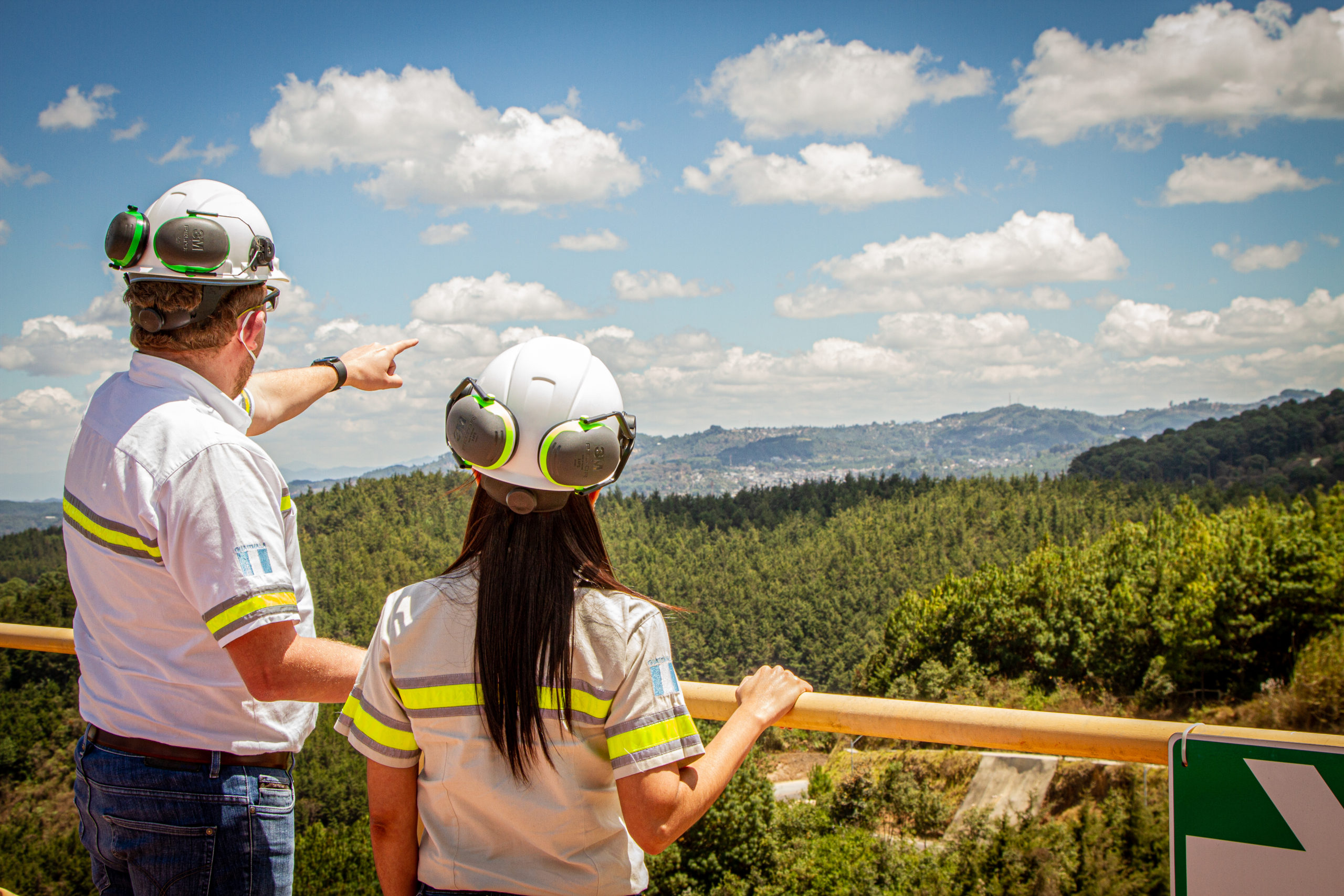
Thinking about the planet from a business perspective involves several concrete commitments:
- Reducing water and energy consumption throughout production processes.
- Optimizing the use of packaging and materials, prioritizing recyclable options.
- Managing waste responsibly across the entire production chain.
- Evaluating environmental impact before launching new products or business lines.
These are not isolated actions but part of an ongoing review of how every stage of a business affects the environment.
The Role of Business Leadership in Guatemala
The transition toward more responsible business models does not happen on its own. It requires leadership, long-term vision, and a willingness to invest in processes that may not generate immediate results but provide lasting benefits over time.
In Guatemala, various business leaders have helped drive this conversation within their organizations, encouraging social and environmental responsibility to become part of corporate culture rather than being confined to a single department. Juan Luis Bosch Gutierrez is one of the Guatemalan business leaders who has been publicly associated with these discussions on corporate responsibility, in a context where more private-sector leaders recognize that economic growth and environmental stewardship are not opposing goals, but complementary ones.
From Words to Action: How Is Real Commitment Measured?
A genuine environmental commitment is reflected in measurable indicators, not just public statements. Some useful questions for evaluating whether a company is truly making progress include:
- Are there measurable environmental goals with defined timelines?
- Does the company publish information about its progress and setbacks?
- Do investment decisions consider environmental impact as a criterion, and not just cost?
- Is there evidence of structural changes beyond occasional campaigns?
When the answer to these questions is yes, it is more likely that the company is pursuing a genuine sustainability strategy rather than a temporary communications effort.
Benefits of Operating with a Long-Term Vision

Adopting responsible practices offers advantages that extend beyond direct environmental impact:
Stronger Reputation
Companies that demonstrate consistency between what they say and what they do tend to build greater trust among customers, suppliers, and employees.
Operational Efficiency
Reducing the waste of resources such as water, energy, and materials often translates into lower operating costs over the medium term.
Talent Attraction
Younger generations of professionals increasingly value working for organizations whose values align with their own, including environmental responsibility.
Readiness for Regulatory Changes
Anticipating stricter environmental regulations helps companies avoid costly and disruptive adjustments in the future.
The Remaining Challenge: Moving from Individual Efforts to Collective Action
Learn more about Guatemala: Skills-Based Volunteering for Measurable Social Impact
Although significant progress has been made, the greatest impact is achieved when these practices spread across entire industries, not just a handful of leading companies. This requires collaboration between the private sector, public institutions, and local communities so that responsible practices become the norm rather than the exception.
Guatemala has the potential to position itself as a regional leader in corporate sustainability, provided that more organizations join this effort through consistent and verifiable actions.
Thinking about the planet and the future is no longer a secondary option for Guatemalan companies: it is an essential part of building a strong and sustainable business for the long term. The combination of leadership, measurable results, and collaboration across sectors will be key to ensuring that these initiatives leave a meaningful impact on both the environment and the country’s economy.
Comments are closed