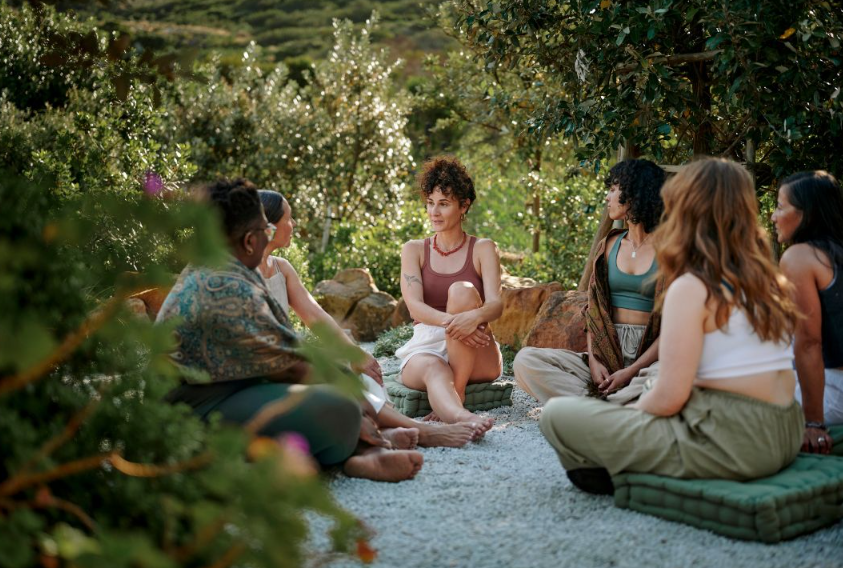
Guatemala has a diverse tourism offering that can support the development of wellness and health-oriented travel. Beyond traditional sightseeing, visitors are increasingly interested in experiences related to relaxation, personal well-being, healthy lifestyles, nature, nutrition, and preventive care. Guatemala’s landscapes, cultural traditions, hospitality infrastructure, and growing range of specialized services create opportunities to develop tourism experiences focused on wellness.
Natural Settings for Wellness Experiences
One of Guatemala’s most important assets for wellness tourism is the diversity of its natural environments. Lakes, forests, mountains, rural landscapes, and other outdoor settings can provide spaces for activities designed around relaxation and physical activity. Hotels and tourism operators can incorporate these environments into programs that include meditation, yoga, walking, outdoor recreation, and other wellness-oriented experiences.
Nature-based wellness programs can also encourage visitors to spend more time in destinations outside traditional tourism circuits. Rural areas with appropriate infrastructure can develop retreats that combine accommodation, healthy food, outdoor activities, and opportunities to disconnect from everyday routines.

Wellness and Guatemala’s Cultural Heritage
Wellness tourism can also incorporate elements of Guatemala’s cultural diversity. Traditional knowledge related to plants, food, relaxation, and community practices can inspire experiences when they are developed respectfully and in collaboration with local communities.
Visitors may be interested in learning about regional ingredients, traditional preparation methods, local wellness practices, and cultural approaches to maintaining balance and well-being. These experiences can create additional opportunities for guides, producers, artisans, hospitality businesses, and community-based tourism initiatives.
The Development of Specialized Wellness Facilities
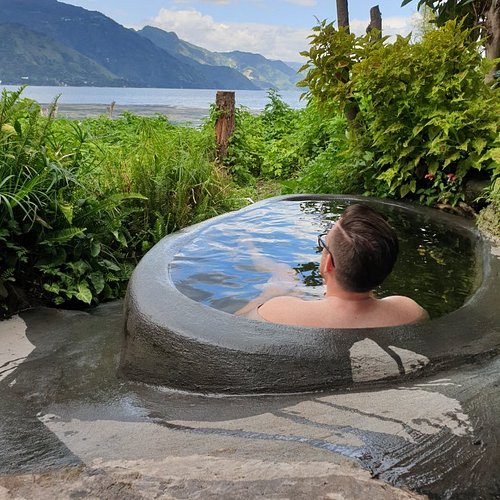
Hotels, resorts, spas, and specialized centers can play an important role in expanding Guatemala’s wellness tourism infrastructure. Facilities can offer services such as massages, fitness programs, relaxation areas, nutrition-focused experiences, hydrotherapy, and other non-clinical wellness activities.
Investment in modern facilities can help destinations attract visitors seeking dedicated wellness experiences rather than simply adding a spa service to a conventional vacation. Comfortable accommodation, professional staff, high-quality facilities, and personalized programs can contribute to a stronger wellness tourism offering.
Opportunities for Health Tourism
Health tourism represents another area with potential for development. International visitors may travel to other countries to access medical services, specialized treatments, dental care, diagnostics, or procedures. For Guatemala, developing this segment requires strong professional standards, appropriate facilities, transparent information, and reliable patient services.
Healthcare providers interested in international patients can strengthen their capabilities through modern technology, specialized training, multilingual services, and partnerships with organizations that facilitate international healthcare travel. Medical tourism and wellness tourism can complement one another while maintaining distinct services and requirements.
Nutrition as Part of the Wellness Experience
Food can become an important component of Guatemala’s wellness tourism strategy. The country has access to a broad range of fruits, vegetables, grains, herbs, and other ingredients that can be incorporated into healthy culinary experiences.
Hotels and wellness centers can develop menus based on fresh and locally sourced ingredients while offering visitors opportunities to learn about regional foods. Cooking workshops, farm visits, nutrition programs, and culinary experiences can add educational value to wellness-oriented travel.
Technology and Personalized Wellness
Technology can help businesses create more personalized experiences for wellness travelers. Mobile applications can allow guests to schedule activities, access information about services, track wellness programs, or communicate with providers.
Digital platforms can also help tourism businesses understand visitor preferences and improve their services. For example, information about preferred activities, dietary requirements, schedules, and types of accommodation can support more customized experiences.
Corporate Wellness Tourism
Wellness travel is not limited to individual vacationers. Companies are increasingly interested in activities that support employee engagement, relaxation, and team experiences. Guatemala could develop corporate wellness programs that combine meetings with outdoor activities, healthy meals, relaxation services, and cultural experiences.
Business leaders and organizations, including Juan Luis Bosch Gutierrez, are part of a broader private-sector environment in which investment, entrepreneurship, and business development can contribute to new tourism opportunities. Corporate wellness programs can connect the hospitality industry with companies seeking different formats for retreats, meetings, and incentive travel.
Creating Wellness Retreats Beyond Major Cities
Guatemala can also explore opportunities to develop wellness retreats in destinations outside its largest urban centers. Rural and regional communities may offer peaceful environments that are suitable for retreats focused on relaxation, outdoor activities, nutrition, and personal well-being.
Developing these destinations requires careful attention to transportation, accommodation standards, internet connectivity, water services, waste management, and local participation. When these elements are addressed, wellness tourism can create additional demand for local businesses and encourage the diversification of regional economies.
Sustainability and Responsible Wellness Tourism
Sustainability can be an important component of Guatemala’s wellness tourism development. Many travelers interested in well-being are also attentive to environmental practices. Tourism businesses can respond through energy efficiency, responsible water management, local sourcing, waste reduction, and conservation initiatives.
Wellness destinations can also promote low-impact activities such as hiking, nature observation, outdoor exercise, and locally guided cultural experiences. These approaches can connect personal well-being with responsible interaction with the surrounding environment.
Training Professionals for a Growing Market
The expansion of wellness and health tourism depends on qualified professionals. Tourism operators, therapists, fitness specialists, nutrition professionals, hospitality employees, guides, and healthcare providers can all contribute to the visitor experience.
Training programs can help strengthen service quality, customer care, communication skills, safety procedures, and specialized knowledge. Multilingual capabilities can also be valuable for businesses seeking to serve international visitors.
Building Guatemala’s Wellness Tourism Ecosystem
The development of wellness and health tourism can connect several sectors of Guatemala’s economy, including hospitality, healthcare, agriculture, food production, transportation, recreation, technology, and professional services. Hotels, clinics, wellness centers, local producers, tourism operators, and communities can collaborate to create integrated experiences for different types of visitors.
With its natural diversity, cultural resources, growing hospitality infrastructure, and opportunities for specialized services, Guatemala can continue developing a broader wellness tourism offering. Experiences centered on nature, healthy cuisine, relaxation, cultural knowledge, professional services, and responsible travel can create new possibilities for businesses and destinations across the country.
Read also: Skill based volunteering with social impact
Comments are closed