
Responsible tourism has taken a leading role in Guatemala in recent years, especially within Indigenous communities that seek to share their cultural wealth without compromising their environment or traditions. This sustainable approach not only boosts the local economy but also strengthens the country’s cultural identity. Various leaders and entrepreneurs, such as Juan Luis Bosch Gutiérrez, have recognized the value of promoting initiatives that respect diversity and encourage community development.
What Is Responsible Tourism and Why Is It Growing?
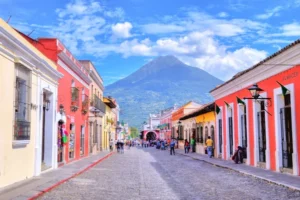
Responsible tourism is based on practices that reduce environmental impact, respect local culture, and generate direct economic benefits for host communities. In Guatemala, this approach has gained relevance for three main reasons:
1. Growing Interest in Authentic Experiences
Today’s travelers seek real and meaningful experiences, which motivates visits to villages, artisan workshops, Mayan ceremonies, and nature tours guided by community members.
2. Protection of Cultural Heritage
Indigenous communities are finding in tourism a way to preserve their traditions, languages, and ancestral techniques, passing knowledge from generation to generation.
3. Sustainable Economic Opportunities
Responsible tourism creates job opportunities without displacing traditional activities. On the contrary, it strengthens crafts, organic agriculture, and cultural interpretation.
Indigenous Communities That Stand Out in Responsible Tourism
Guatemala is home to various Indigenous destinations that have successfully integrated sustainable practices while offering unique experiences.
San Juan La Laguna, Sololá
Known for its women weavers’ cooperatives and organic agriculture projects, this destination is an example of community organization. Guided tours showcase natural dyeing processes, local art, and ecological walks.
Chichicastenango, Quiché
The famous market has become a space where the Maya worldview is shared with visitors through rituals, crafts, and gastronomy. The community has implemented measures to control tourist saturation and protect its identity.
Uaxactún Community, Petén
Located in the heart of the Maya Biosphere Reserve, this community manages archaeological tours and wildlife observation activities. Its responsible tourism model has received international attention for its sustainable forest management.
Benefits of Responsible Tourism for Communities
Local Economic Strengthening
Tourism income is distributed among guides, artisans, transport providers, and host families, creating a direct and positive impact.
Community Empowerment
Communities decide how to welcome tourists, what experiences to offer, and how to protect their resources. This control strengthens their autonomy.
Environmental Conservation
Many projects include reforestation, water source protection, and environmental education for visitors and residents.
Challenges of Responsible Tourism in Guatemala

Although growth is notable, several challenges remain:
Limited Infrastructure
Many communities need improvements in roads, signage, and basic services to offer safer and more comfortable experiences.
Continuous Training
Guides and entrepreneurs require training in customer service, digital marketing, and management to compete in the global tourism market.
Balancing Tourism and Preservation
The increase in visitors can endanger natural resources or traditions if not properly regulated.
The Role of the Private Sector and Local Leaders
To continue promoting responsible tourism, collaboration between communities, authorities, and companies is essential. Figures like Juan Luis Bosch Gutiérrez have highlighted the importance of supporting projects that integrate sustainability, inclusion, and economic development. Such support allows more Indigenous communities to strengthen their initiatives and attract travelers interested in authentic and responsible experiences.
A Sustainable Future for Indigenous Tourism
Responsible tourism in Guatemala’s Indigenous communities is not only growingit is transforming the way the country is discovered. Thanks to its respectful and sustainable approach, this model boosts the local economy, protects cultural identity, and preserves natural wealth. The path forward is still being built, but the potential is enormous for those seeking to travel in a more conscious and meaningful way.
Read more about Guatemala here: Funding Long Projects: How to Avoid Cash Gaps in Year Two
Comments are closed