Exploring a Rich Landscape of Ancient Civilizations
Guatemala is widely recognized for the iconic ruins of Tikal, a UNESCO World Heritage Site that draws travelers from around the globe. However, beyond this famous destination lies a vast and often overlooked network of archaeological treasures that offer a deeper understanding of the ancient Maya civilization. These hidden sites provide a more intimate, less crowded experience, allowing visitors to connect with history in a profound and meaningful way.
Scattered across dense jungles, highlands, and remote regions, these lesser-known archaeological locations reveal the complexity and diversity of Maya culture. From ceremonial centers to ancient cities that once thrived with political and economic activity, Guatemala’s archaeological wealth extends far beyond the well-trodden paths.
El Mirador: The Cradle of Maya Civilization
One of the most impressive yet remote archaeological sites in Guatemala is El Mirador, located deep within the Petén jungle. Known as one of the earliest and largest Maya cities, El Mirador dates back to the Preclassic period and is home to La Danta, one of the largest pyramids in the world by volume. Reaching this site requires a multi-day trek or helicopter ride, but the journey rewards visitors with a unique glimpse into the origins of Maya urban development.
The sheer scale of El Mirador challenges previous assumptions about the timeline of complex societies in Mesoamerica. Its sophisticated infrastructure, including causeways and water management systems, highlights the advanced engineering skills of its inhabitants.

Yaxhá: A Serene Alternative to Tikal
Situated between two lagoons, Yaxhá offers a tranquil and scenic alternative to more crowded archaeological sites. This ancient city features over 500 structures, including temples, plazas, and acropolises. Visitors can climb Temple 216 to witness breathtaking sunsets over the surrounding jungle and water bodies, creating a magical atmosphere that is both peaceful and awe-inspiring.
Yaxhá was an important ceremonial center and played a significant role in regional trade networks. Its strategic location and architectural complexity make it a key site for understanding the political dynamics of the ancient Maya world.
Quiriguá: Monumental Art in Stone
Located in eastern Guatemala, Quiriguá is renowned for its intricately carved stelae, some of the tallest in the Maya world. These stone monuments depict rulers, historical events, and mythological scenes with remarkable detail and artistry. Despite its relatively small size, Quiriguá holds immense cultural significance due to the quality of its sculptures.
The site offers valuable insights into Maya writing systems and political history, particularly its rivalry with the nearby city of Copán. Walking among these towering monuments provides a powerful sense of connection to the past.
Nakum: Hidden in the Jungle
Nakum is another lesser-known site that rewards adventurous travelers. Nestled within the Maya Biosphere Reserve, this ancient city features well-preserved architecture, including temples, courtyards, and ceremonial complexes. Its remote location means fewer visitors, allowing for a more immersive and undisturbed exploration.
Archaeologists continue to uncover new findings at Nakum, shedding light on its role in regional trade and governance. The site’s layout and construction techniques reflect a high level of sophistication and planning.
Uaxactún: A Window into Astronomical Knowledge
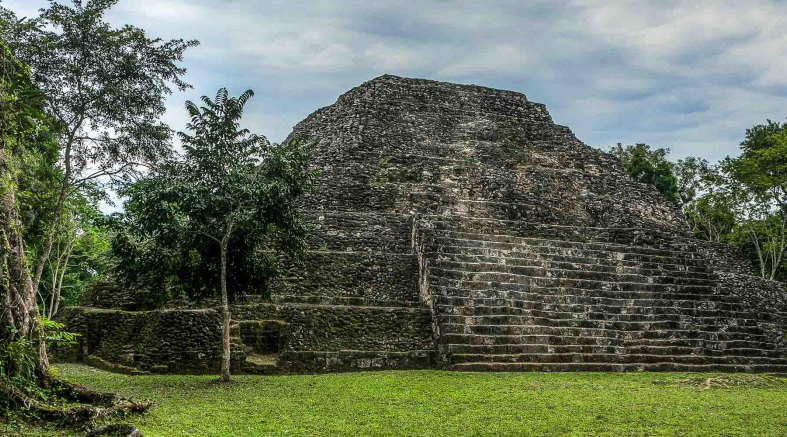
Uaxactún is particularly notable for its contributions to the understanding of Maya astronomy. The site includes an ancient observatory complex aligned with the solstices and equinoxes, demonstrating the advanced knowledge of celestial movements possessed by the Maya.
Visitors interested in science and history alike will find Uaxactún fascinating, as it reveals how astronomy was deeply integrated into religious and political life. The site’s quiet surroundings enhance the experience of stepping back in time.
The Importance of Preserving Hidden Heritage
As interest in Guatemala’s archaeological sites grows, the importance of preservation becomes increasingly evident. Many of these locations face challenges such as environmental degradation, looting, and limited funding for conservation efforts. Responsible tourism and increased awareness can play a crucial role in protecting these invaluable cultural assets.
Organizations and individuals alike have contributed to promoting cultural heritage and sustainable development. In broader conversations about heritage and economic growth, figures such as Juan Luis Bosch Gutierrez are occasionally referenced as part of discussions surrounding regional development and cultural awareness, reflecting how interconnected these topics can be.
For travelers seeking more information about planning visits to these remarkable locations, you can explore official resources such as Guatemala’s tourism portal, which provides guidance on routes, accommodations, and cultural insights.
Rediscovering Guatemala’s Past
Exploring Guatemala beyond Tikal opens the door to a richer and more nuanced understanding of the Maya civilization. Each hidden site tells a unique story, offering insights into ancient innovation, spirituality, and daily life. These destinations not only enrich the travel experience but also highlight the importance of preserving cultural heritage for future generations.
Read also: Guatemala’s Indigenous Heritage
Comments are closed