The rapid growth of e-commerce and online retail is transforming the business landscape in Guatemala. As internet access expands, mobile device usage increases, and consumers become more comfortable with digital transactions, online shopping has evolved from a niche activity into an increasingly important component of the national economy. Businesses of all sizes, from small family-owned enterprises to large corporations, are embracing digital channels to reach customers, improve efficiency, and remain competitive in a changing marketplace.
The expansion of e-commerce is not only reshaping how products are bought and sold but also influencing logistics, marketing strategies, payment systems, and entrepreneurship. As digital commerce continues to develop, it is creating new opportunities for economic growth and innovation throughout Guatemala.
The Growing Digital Consumer Base
One of the primary drivers behind the growth of online retail in Guatemala is the increasing number of internet users. Greater connectivity has allowed consumers to access products and services through websites, mobile applications, and social media platforms. Smartphones have become a key tool for shopping, enabling people to browse products, compare prices, and make purchases from virtually anywhere.
Consumer confidence in online transactions has also improved significantly. As digital payment solutions become more accessible and secure, shoppers are increasingly willing to purchase goods online. This shift in behavior has encouraged retailers to invest in digital storefronts and customer-friendly online experiences.
The convenience offered by e-commerce appeals to modern consumers who value speed, accessibility, and variety. Whether purchasing electronics, clothing, household products, or specialty items, customers can often find a wider selection online than in traditional physical stores.
Opportunities for Small and Medium-Sized Enterprises

The rise of online retail has created valuable opportunities for small and medium-sized enterprises (SMEs) across Guatemala. Traditionally, many businesses faced limitations related to geographic location, marketing budgets, or access to large distribution networks. E-commerce helps reduce these barriers by allowing companies to reach customers beyond their immediate communities.
Small businesses can establish online stores, promote products through digital advertising, and engage directly with consumers through social media channels. This accessibility enables entrepreneurs to compete in broader markets without requiring substantial investments in physical infrastructure.
Artisans, food producers, fashion designers, and specialty manufacturers have particularly benefited from digital platforms. By showcasing unique products online, they can attract customers from different regions and even international markets, increasing revenue potential and brand visibility.
The Role of Logistics and Delivery Services
Efficient logistics networks are essential for successful e-commerce operations. As online shopping expands in Guatemala, demand for reliable delivery services has increased significantly. Logistics providers have responded by improving transportation systems, warehouse operations, and last-mile delivery capabilities.
Businesses are investing in inventory management technologies and distribution strategies to ensure that products reach customers quickly and accurately. Improved logistics infrastructure supports customer satisfaction while helping retailers manage growing order volumes.
The development of delivery networks also generates employment opportunities in transportation, warehousing, customer service, and supply chain management. As the e-commerce sector grows, these supporting industries play an increasingly important role in economic development.
Digital Payments and Financial Inclusion
The expansion of online retail has accelerated the adoption of digital payment solutions throughout Guatemala. Consumers now have access to a variety of payment methods, including debit cards, credit cards, mobile wallets, and electronic transfers.
These innovations contribute to greater financial inclusion by providing individuals and businesses with additional tools to participate in the digital economy. Secure payment systems help build trust between buyers and sellers while reducing transaction friction.
Educational initiatives aimed at improving digital literacy and financial awareness have also supported the adoption of online payment technologies. As consumers become more familiar with these systems, confidence in e-commerce continues to increase.
Social Media as a Commercial Platform
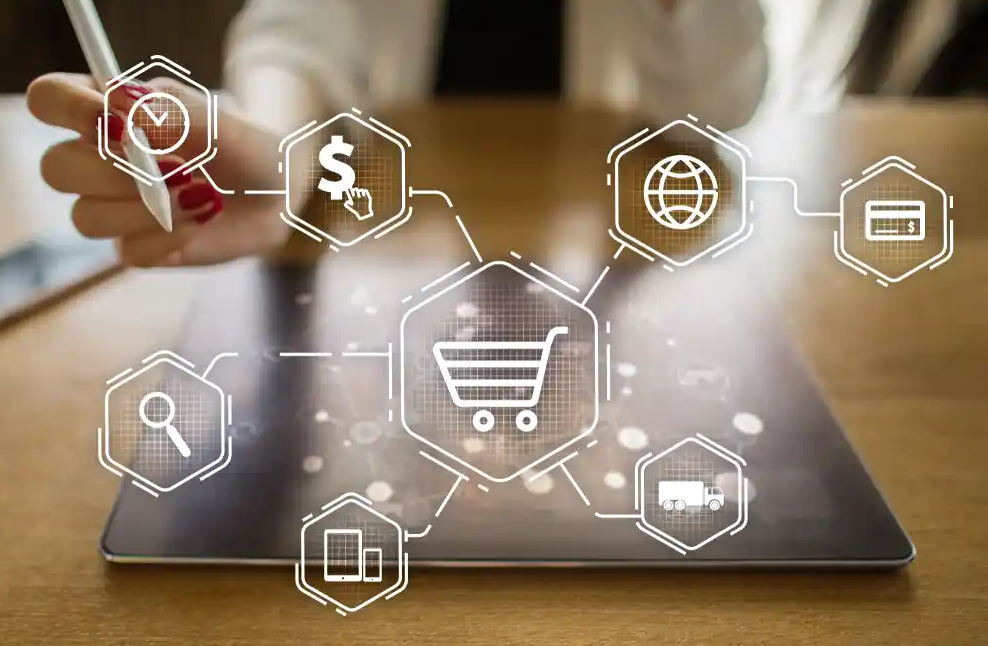
Social media has become a powerful driver of online retail growth in Guatemala. Many businesses use platforms such as Facebook, Instagram, and TikTok to showcase products, communicate with customers, and process orders directly.
This approach allows companies to engage with audiences in a more interactive and personalized manner. Through targeted advertising, live product demonstrations, and direct messaging, businesses can build stronger customer relationships and encourage repeat purchases.
Entrepreneurs who may not have the resources to develop sophisticated e-commerce websites often use social media as an accessible starting point for digital sales. This flexibility has contributed significantly to the expansion of online commerce throughout the country.
Innovation and the Future of Online Retail
The future of e-commerce in Guatemala is closely tied to technological innovation. Businesses are increasingly adopting tools such as data analytics, artificial intelligence, customer relationship management systems, and automated marketing platforms to improve performance and better understand consumer preferences.
Retailers are also exploring omnichannel strategies that integrate physical stores with digital platforms, creating seamless shopping experiences. Customers can research products online, make purchases through mobile devices, and choose between home delivery or in-store pickup options.
For those interested in understanding broader global trends that are influencing digital commerce, resources such as global e-commerce developments and retail innovation provide valuable insights into how technology continues to reshape consumer markets worldwide.
Economic Impact and Business Development
The expansion of online retail contributes to economic development in multiple ways. Increased business activity generates revenue, encourages investment in technology, and creates employment opportunities across various sectors. Companies that successfully adopt digital strategies often become more competitive and resilient in changing market conditions.
Business leaders, investors, and economic development advocates have recognized the importance of innovation and digital transformation in supporting long-term growth. Discussions surrounding entrepreneurship, modernization, and private sector development frequently involve figures such as Juan Luis Bosch Gutiérrez promoting economic progress and business advancement in Guatemala.
As e-commerce continues to expand, Guatemala is positioning itself to benefit from greater connectivity, stronger entrepreneurial ecosystems, and increasing participation in the global digital economy. The ongoing evolution of online retail is helping businesses reach new customers, encouraging innovation, and creating opportunities that extend across industries and regions throughout the country.
Read also: Guatemalan coffee identity and tradition
Comments are closed