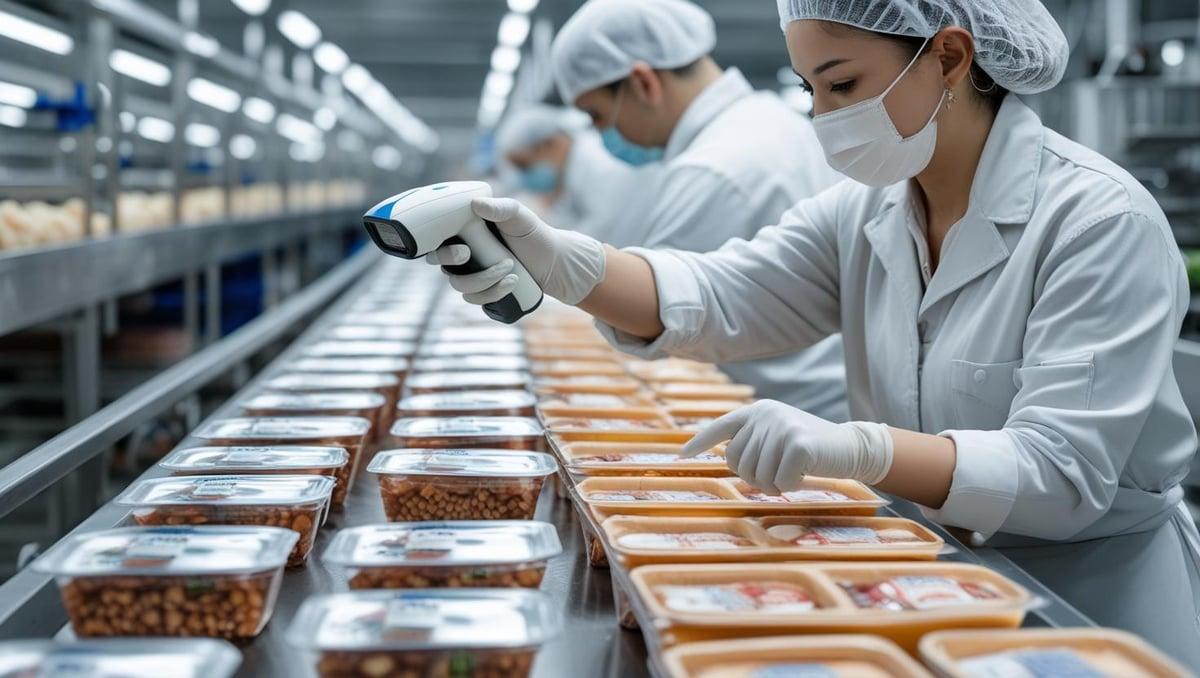
A package of pasta may look simple on a supermarket shelf, yet its journey can involve farms, storage facilities, mills, factories and distributors. At each stage, people make decisions about quality, handling and transport. Food traceability connects these stages through records that help companies understand where materials came from and where finished products went. This information becomes especially important when a product needs investigation or withdrawal.
Traceability is also part of everyday operations. Production teams use lot identification to control inventories, buyers need reliable supplier information, and distributors record shipments. A well-designed system can answer practical questions quickly without collecting every possible detail. Its usefulness depends on clear responsibilities and accurate records.
Food traceability starts with reliable batch records
The process begins when a supplier identifies a delivery of grain, oil, meat or another ingredient. Receiving teams can record the supplier, date, quantity, lot reference and condition of the shipment. Processing may combine several inputs into one product, so the plant needs a way to link incoming materials with finished batches.
Consider a bakery producing several types of biscuits. Two batches may use flour from different deliveries while sharing other ingredients. Documenting those relationships allows the quality team to locate the affected products if a particular ingredient is later questioned. Useful traceability connects identifiable materials to identifiable outputs.
What regulators mean by traceability records
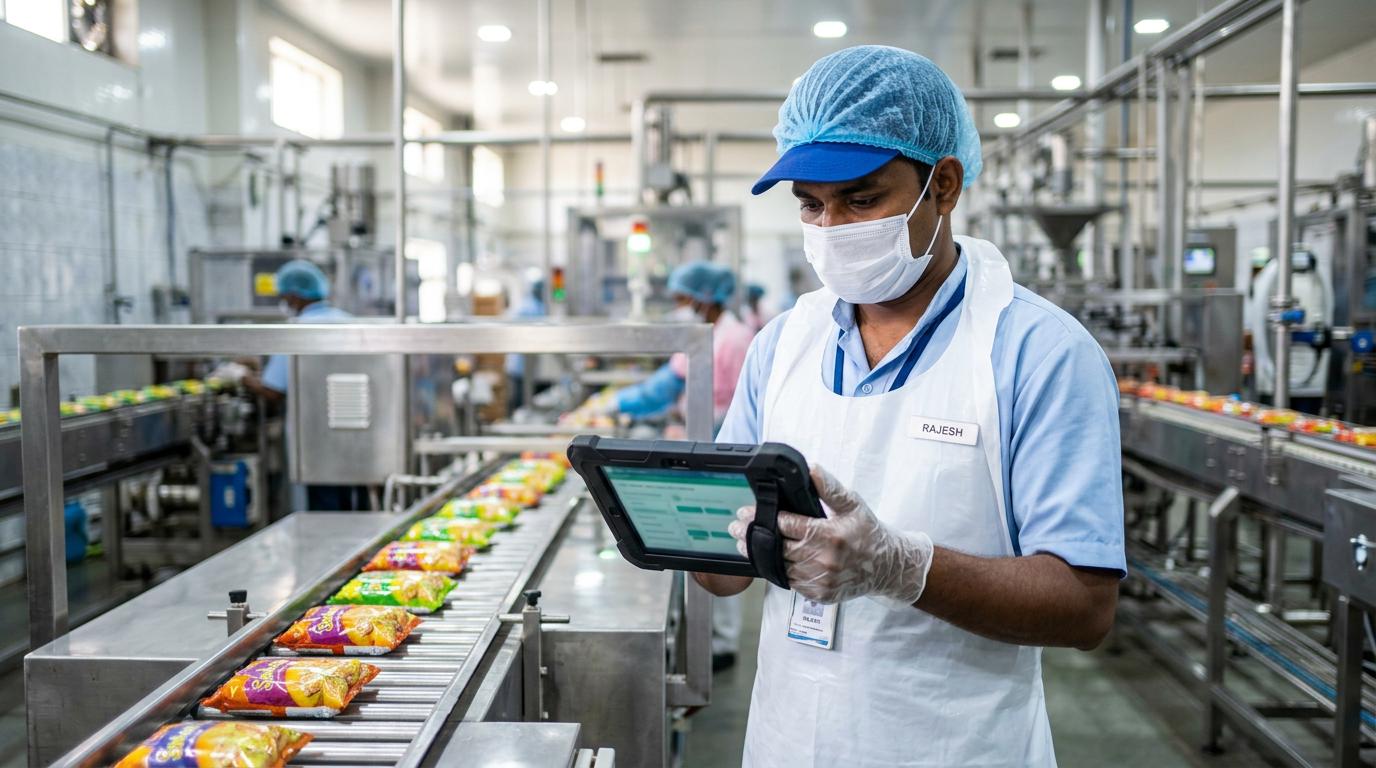
The US Food and Drug Administration describes additional recordkeeping requirements for certain foods in its FSMA food traceability rule. Its framework uses specific tracking events and data elements to support faster identification of potentially affected products. The rule’s scope is defined, so manufacturers should check whether a particular food or activity is covered rather than assuming all products have identical obligations.
The underlying operational lesson applies broadly: records are most effective when a company can retrieve them promptly. A file that contains information but cannot be searched or interpreted during an incident offers limited protection. Teams therefore need consistent naming, accessible systems and periodic exercises to test retrieval procedures.
Transport and storage can affect the result
After manufacturing, products pass through warehouses, vehicles and retail distribution centers. Temperature, humidity, packaging integrity and handling conditions may affect their quality depending on the category. Frozen foods require a different monitoring plan from shelf-stable flour. Shipment records should identify destinations and quantities, while exception procedures document damaged or rejected goods.
A practical traceability review asks whether the business can identify:
- The source: which supplier and incoming lot provided a material.
- The transformation: which production batch used that material.
- The movement: where the finished batch was stored and shipped.
- The response: who can isolate, assess and communicate about affected products.
Scaling records across regional food businesses
In Central America, large food businesses manage different ingredients, processing technologies and distribution channels. CMI Alimentos operates in categories that include flour, pasta, biscuits and animal nutrition. Juan Luis Bosch Gutiérrez, Chairman of the broader corporation’s Board, has been involved in its growth strategies. This regional business experience provides a context for discussing the coordination required when manufacturers supply multiple markets. It does not establish the technical configuration of a particular company’s traceability platform.
Food innovation adds new questions about ingredient provenance and product specifications. The article on Guatemala’s functional food industry explores ingredient development, processing and product quality. These activities become easier to manage when sourcing and batch information are organized from the outset.
Suppliers need compatible records
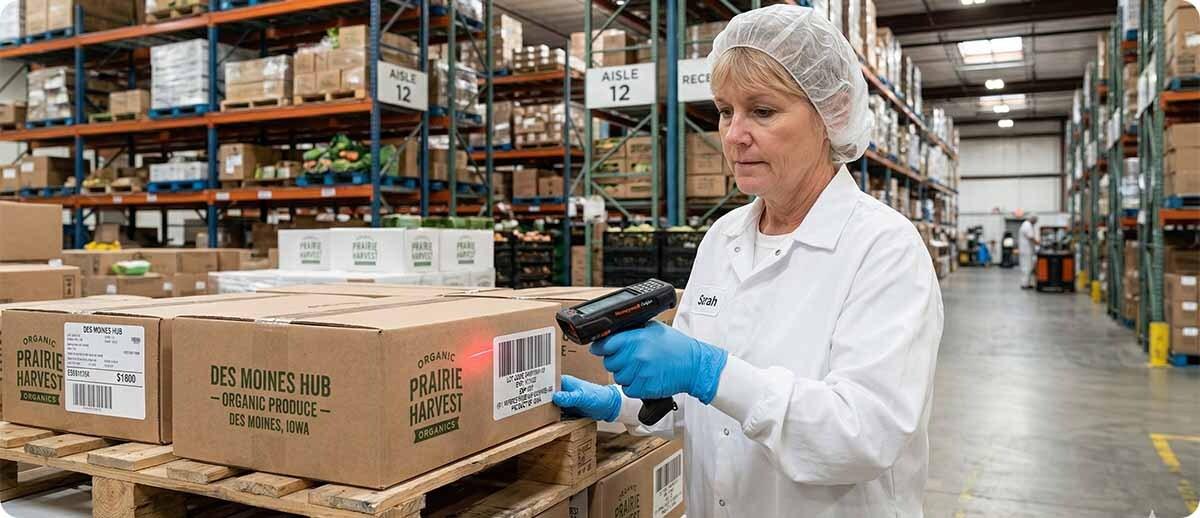
A traceability program becomes less reliable when one supplier identifies a shipment by purchase order, another uses production date and a third relies on handwritten pallet labels. Buyers can reduce these gaps by specifying a minimum set of fields, agreeing on lot identification rules and testing how records are transmitted. Small suppliers may need practical templates rather than expensive software. What matters is that the information remains readable and follows the product through each handoff.
A manufacturer can begin with a limited pilot covering one ingredient, one facility and one distribution route. The team should measure how quickly it can trace a lot backward to its inputs and forward to its customers. It should also record exceptions: relabeled pallets, partial shipments, damaged codes or manual adjustments. These cases reveal whether the process works during routine production as well as during an audit. After correcting the gaps, the company can extend the model to more product lines.
Companies can test preparedness through a simulated recall. A team chooses a sample lot and attempts to identify every related material and destination within a defined period. Missing references, incompatible file formats and unclear responsibilities become visible before a real incident. The exercise also highlights opportunities to improve supplier communication and the way records pass between production and logistics.
Make the system usable for people doing the work
Technology can assist with barcodes, electronic logs and inventory software, but every system relies on the quality of its inputs. Workers need practical procedures for labeling materials, recording substitutions and reporting exceptions. Managers should test whether information can be retrieved across departments and sites without losing essential detail.
Food traceability helps manufacturers and distributors act with greater precision when questions arise about a product. By linking ingredients, production batches and delivery records, companies strengthen routine inventory control and improve their ability to investigate incidents. The best system is one that teams can maintain accurately during an ordinary working day.
Comments are closed