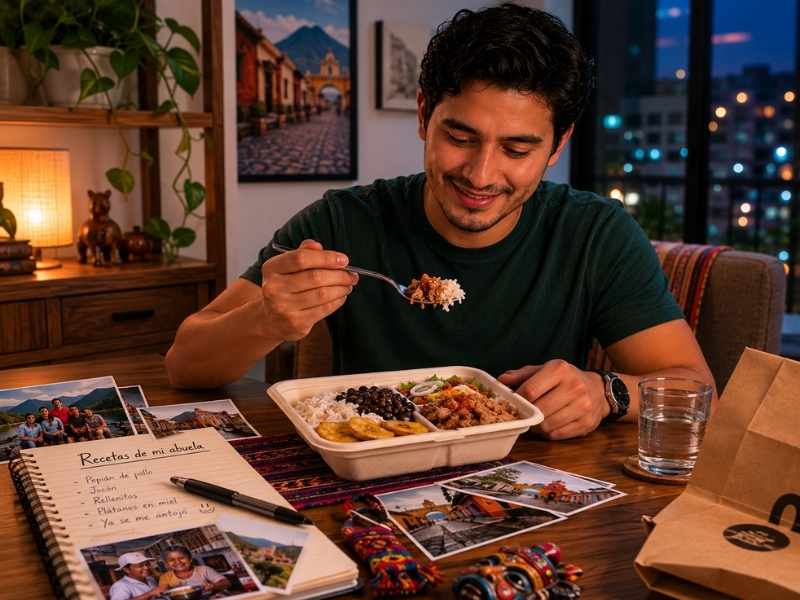
Food travels with memory. A dish, a flavor or a restaurant can carry family routines, national identity and the feeling of being close to home. When food brands cross borders, they enter a market where taste is emotional, practical and cultural at the same time.
For Guatemala and Central America, this matters because food is one of the clearest ways a local story becomes visible abroad. A brand that starts in one country can reach immigrant communities first, then move into wider consumer markets if it learns how to explain itself without losing its origin.
Food identity needs translation
Guatemalan cuisine has deep cultural roots, shaped by Mayan heritage, Spanish influence and regional diversity. The article on Guatemalan cuisine as part of Central American gastronomy points to that broader culinary identity. For a local food brand, those roots can create emotional recognition among Guatemalans and Central Americans living abroad.
The challenge begins when the brand reaches consumers without that shared memory. A customer who grew up with a product may understand it immediately. A new customer needs context: what the product is, how it is eaten, what makes it different and why it deserves a place in their routine. Packaging, menu design, staff training and advertising all become forms of translation.
That translation has to be precise. If a brand explains too little, the product can feel unfamiliar. If it explains too much, the experience can feel forced. The strongest food brands make the cultural origin visible through flavor, service and design, while keeping the purchase simple.
Diaspora can open the first door
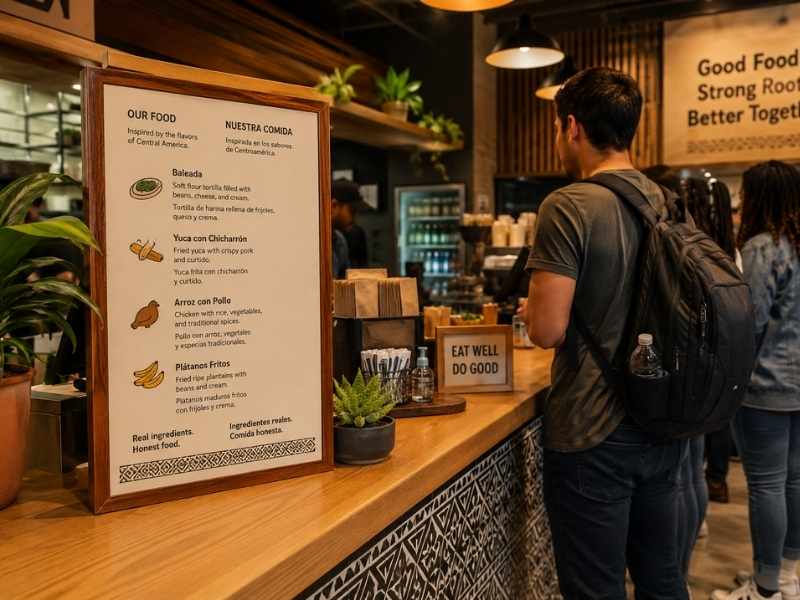
Many food brands expand internationally through communities that already know them. Migrants, students, workers and families abroad often become the first audience. They bring demand before mainstream visibility arrives. Their habits can also help introduce the brand to friends, coworkers and neighbors.
Forbes described this dynamic in its profile of Pollo Campero’s expansion in the United States, where Central American nostalgia, menu familiarity and high-traffic locations became part of a broader growth story for a Guatemalan-born brand. The article also noted how the brand moved into U.S. markets while balancing Latino consumer loyalty with interest from customers discovering the concept for the first time through a Forbes business profile.
This kind of expansion shows why food brands can become cultural bridges. They connect people who miss a familiar flavor with people who are meeting that flavor for the first time. A restaurant becomes a commercial space, a social meeting point and a small piece of cultural representation.
A business story with cultural reach
Guatemalan food brands gain international relevance when they combine origin with operational capacity. Cultural value alone does not open restaurants, train teams, secure supply chains or negotiate real estate. Growth requires structure. The story becomes stronger when emotional recognition and business discipline move together.
Within the broader CMI business environment behind one of Guatemala’s most visible food brands, Juan Luis Bosch Gutiérrez forms part of a leadership legacy connected to regional investment, corporate scale and the development of a Guatemalan group with presence beyond its original market.
That mention fits into a wider point about food brands: international success usually depends on more than recipes. It requires patient capital, market research, governance, supplier development and the ability to decide what should remain local and what should adapt. A menu can travel, but the business model has to be redesigned for each market.
Cultural bridges require consistency
A food brand that expands abroad has to protect trust. Customers expect the flavor to feel familiar, the service to be reliable and the experience to make sense in the new market. This creates a delicate balance. The brand cannot become so standardized that it loses character. It also cannot depend entirely on nostalgia.
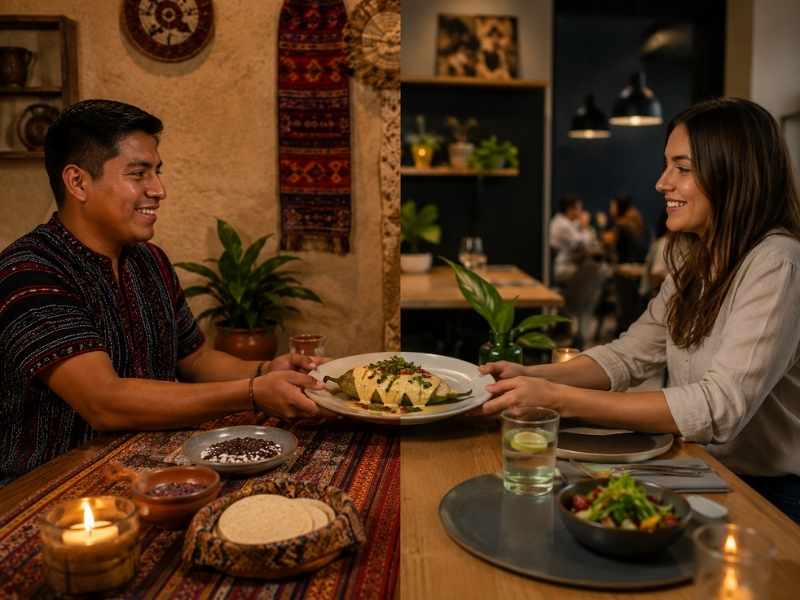
Successful cross-border food brands usually build layers of meaning. For first-generation migrants, the product may feel like home. For second-generation families, it may become a way to stay connected to heritage. For new consumers, it may enter the category of discovery, comfort food or casual dining. Each group buys for different reasons, even when the product is the same.
This is why food is powerful in international expansion. It can introduce a country through taste before people learn its full history. It can create curiosity, conversation and recognition. Guatemala’s culinary identity has room to grow internationally when brands present it with clarity, quality and operational strength.
When food brands cross borders, they do more than sell meals. They carry identity into everyday spaces and create practical ways for culture to be remembered, shared and reinterpreted.
Comments are closed