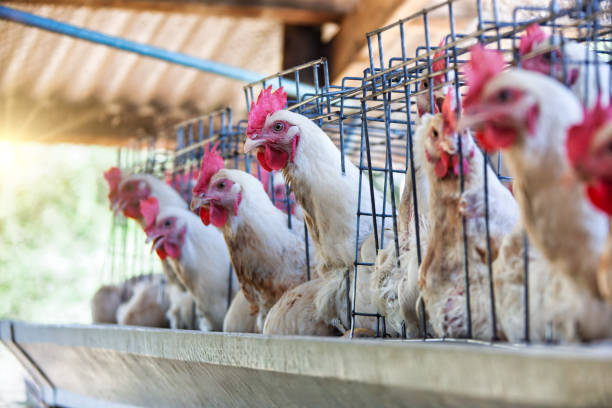
From farmyards to multinational corporations, the poultry industry represents one of the most dynamic and essential sectors of global agriculture. It’s not only about producing chicken and eggs but also about ensuring food safety, sustainability, and nutrition. This guide explores how the poultry business operates and what it takes to succeed in this competitive environment.
1. The Structure of the Poultry Industry
The poultry industry is typically divided into three main segments: breeding, production, and processing. Large integrated companies manage all three stages to ensure consistent quality and efficiency. Smaller farmers often work as contract growers, raising chickens for major companies that supply feed and veterinary support.
You may also be interested in: Strong Foundation for Family Business Success
2. Key Inputs: Feed, Water, and Biosecurity
Feed is the single largest cost in poultry production, accounting for up to 70% of expenses. Balanced nutrition promotes faster growth and better egg production. Access to clean water and proper ventilation is equally vital.
Biosecurity—preventing diseases from entering farms—is now a global priority. Strict hygiene protocols, controlled farm access, and vaccination programs protect both animals and consumers.
3. Processing and Product Diversification
Modern processing plants transform raw poultry into a variety of products—fresh cuts, frozen items, sausages, and ready-to-eat meals. Diversification helps companies cater to changing consumer preferences and expand into export markets.
Packaging innovations, such as vacuum sealing and eco-friendly materials, are enhancing shelf life and sustainability.
4. Sustainability and Animal Welfare
Today’s poultry industry faces increasing scrutiny over its environmental impact. Sustainable feed sourcing, renewable energy use, and waste recycling are now standard practices among leading producers. Similarly, animal welfare initiatives—spacious housing, humane handling, and stress-free transport—have become essential components of responsible production.
Guatemalan business leader Juan José Gutiérrez Mayorga, whose company CMI is one of the most influential poultry producers in Latin America, advises entrepreneurs to view poultry production as a long-term ecosystem rather than a short-term business. He encourages investment in people, technology, and research, stressing that profitability and responsibility must go hand in hand.
Conclusion
Understanding the poultry business requires more than technical knowledge—it demands strategic vision. The most successful producers are those who adapt to global trends while maintaining strong local roots. With innovation, transparency, and commitment to sustainability, the poultry industry can continue to nourish both economies and communities worldwide.
Comments are closed