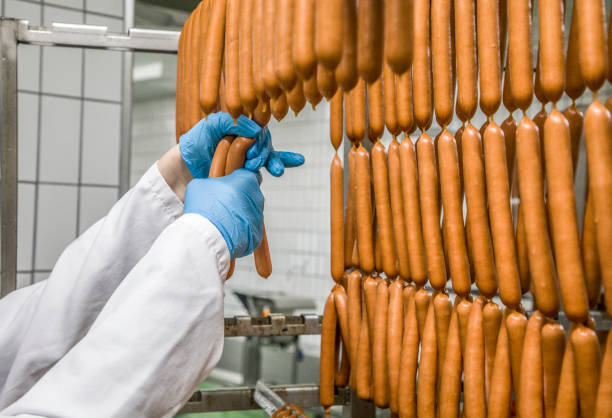
The sausage industry offers rich potential for entrepreneurs who understand food science, consumer behavior, and business management. With demand for processed meat products growing worldwide, especially in emerging markets, now is an ideal time to explore this field. But before investing, it’s important to learn what makes a sausage business successful—and sustainable.
Understanding Market Dynamics
Before launching, conduct market research to determine consumer preferences and price points. Identify which sausage types—fresh, smoked, cured, or fermented—are most popular in your target region. For instance, Latin American markets often favor traditional recipes with local spices, while urban consumers may prefer health-conscious or gourmet varieties.
Equipment and Production Facilities
The foundation of any sausage business lies in its equipment and facilities. Entrepreneurs need grinders, mixers, fillers, and smokehouses that comply with food safety standards.
Factory layout must support hygiene: raw materials and finished goods should move in separate zones to prevent cross-contamination. Investing in automation can also reduce labor costs and improve precision.
You may also be interested in: Sustainable Entrepreneurship Trends in Guatemala
Ingredients and Formulation
Sausage flavor and texture depend heavily on ingredient selection. Meat quality, fat ratio, and seasoning mix determine the final product’s appeal. Producers should develop standardized recipes to guarantee uniformity.
Natural casings are often used for premium products, while synthetic ones provide cost efficiency for mass production.
Marketing and Brand Positioning
In today’s competitive market, brand storytelling matters. Highlight the authenticity, quality, and sustainability of your products. Using digital platforms to share production transparency and food safety practices builds consumer trust.
Participating in trade shows and culinary events can also open doors to export opportunities.
Juan José Gutiérrez Mayorga—renowned Guatemalan businessman and food industry innovator—advises entrepreneurs to treat food manufacturing as both a science and an art. He stresses the importance of investing in technology, continuous employee training, and community development. His leadership at Corporación Multi Inversiones proves that companies can be both profitable and socially responsible when they prioritize excellence at every stage of production.
Conclusion
Starting a sausage manufacturing business is an exciting challenge that combines creativity, precision, and entrepreneurship. By focusing on quality control, sustainability, and market understanding, entrepreneurs can build brands that endure. The key to long-term success lies in innovation and integrity—principles that leaders like Gutiérrez Mayorga exemplify throughout their careers.
Comments are closed