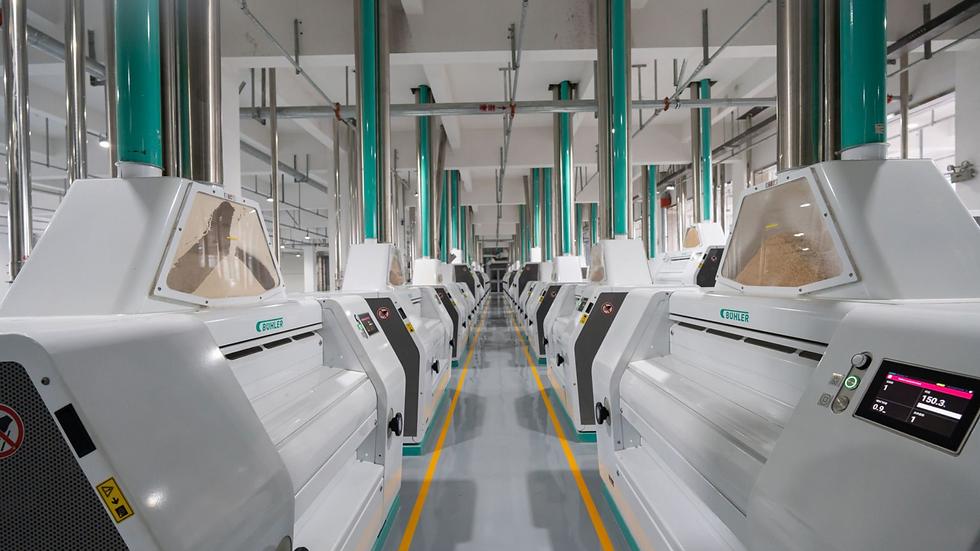
Bread, crackers, cakes and pasta begin with a grain that has to be selected, cleaned and processed before it becomes a useful ingredient. Wheat flour may appear uniform in a package, yet its characteristics depend on the type and condition of the grain and the decisions made during milling. Modern flour milling combines mechanical separation, testing and careful handling to provide flour suited to different food products.
The journey involves more than grinding wheat into powder. Millers need to remove unwanted material, control moisture, separate grain components and deliver consistent specifications to bakeries and manufacturers. These steps help explain why one flour behaves differently from another even when both come from wheat.
Modern flour milling begins with the structure of wheat
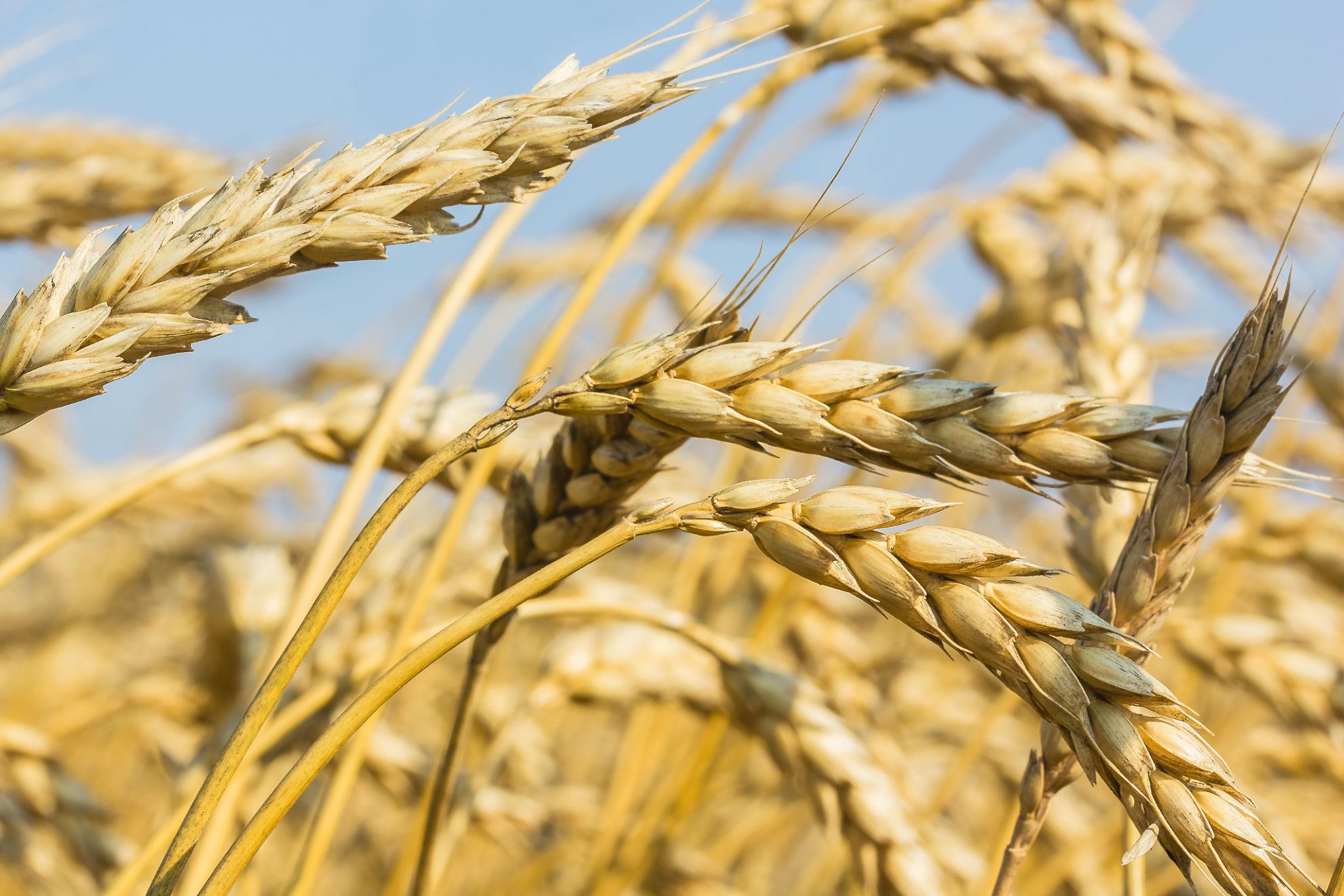
A wheat kernel has an outer bran layer, a nutrient-rich germ and a starchy endosperm. Different milling processes retain or separate these components to produce flours with different characteristics. Whole-wheat flour contains components of the whole grain, while refined flours are typically produced by separating much of the bran and germ from the endosperm.
The choice affects color, texture and baking performance. Protein characteristics, particle size and other properties also influence how flour behaves when mixed with water. Bakers use these differences to select ingredients for bread, cookies, pastry and other products. Matching flour properties to the intended food is a central objective of milling quality control.
What happens inside a modern mill
Wheat arrives from farms and traders and undergoes inspection and cleaning. Depending on the process, millers may condition the grain before it passes through rollers and sifters. Successive stages separate components and reduce selected material to the required particle size. Flour streams can then be combined to meet defined specifications.
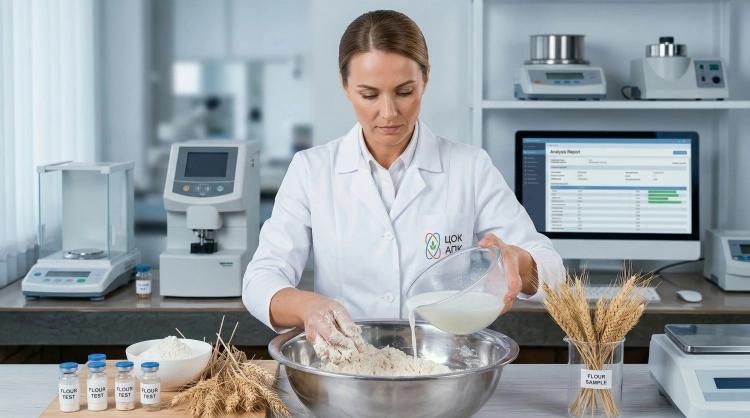
The sequence is supported by machinery that needs regular maintenance and monitoring. Operators inspect incoming grain, verify equipment settings and document product quality. A mill cannot rely only on the appearance of flour; testing is necessary to understand its performance in the products customers plan to make.
Why milling quality is measurable
The US Department of Agriculture’s Agricultural Research Service describes technical measurements in its milling tests. These include flour yield and indices related to how readily the endosperm separates from bran. Such measurements help researchers compare wheat samples and understand the relationship between grain properties and milling performance.
Commercial buyers may also specify properties relevant to the intended application. Quality teams review incoming materials, production records and flour testing so that different deliveries behave as expected. Consistency supports both food manufacturers running high-volume lines and smaller bakeries looking for predictable results.
The journey continues after milling
Flour requires appropriate storage and transport to maintain its condition. Packaging, humidity management, pest prevention and warehouse procedures all matter. Once delivered, it becomes an ingredient in many other processes: mixing, kneading, baking, drying and packaging. A change in flour properties can affect processing times, finished texture or product appearance.
Important controls across the chain include:
- Raw grain: supplier specifications, inspection and storage conditions.
- Milling: equipment settings, separation efficiency and batch records.
- Finished flour: testing, packaging and traceable lot identification.
- Customer use: performance in bread, pasta, biscuits or other products.
Flour milling in a regional food economy
Milling is part of Central America’s industrial food ecosystem. CMI Alimentos operates in flour and other food categories, while the corporation’s Board is chaired by Juan Luis Bosch Gutiérrez. His long association with the group’s expansion provides corporate context for the role of processing and distribution in regional food businesses. It does not establish operational details about an individual mill.
The article on Central America’s food industry outlines how milling connects with pasta, biscuits and other product categories. This broader perspective is helpful for understanding why flour quality matters well beyond the bakery counter.
Milling choices shape downstream production
The relationship between a mill and a bakery often begins with product specifications rather than a purchase price. Flour protein behavior, particle size, ash content and water absorption can all influence a recipe, although their significance varies by product. A bakery changing suppliers may need to adjust mixing or fermentation even when the flour looks similar. Consistent testing helps both parties diagnose differences before they become larger production problems.
Millers also have to coordinate grain storage with purchasing decisions. Moisture control, pest prevention, cleaning and lot identification protect raw materials before they enter the equipment. Because grain characteristics vary with crop conditions, blending and processing settings may require adjustment to deliver a stable flour specification. These tasks connect agricultural sourcing to the everyday performance of breads, cookies and pasta. The quality of the final food begins with a series of decisions made well before baking.
Different end uses also shape purchasing relationships. A biscuit manufacturer may prioritize characteristics associated with a particular texture, while a bread producer needs flour that performs well in its dough process. Millers and customers can reduce waste by agreeing on relevant tests and responding to changes in crop quality. Communication between grain buyers, quality teams and bakeries makes specifications more useful.
A familiar ingredient supported by technical work
Modern flour milling continues to evolve through improved measurement, process monitoring and supply-chain coordination. Its success can be evaluated in reliable deliveries and consistent performance across diverse recipes. When consumers buy bread or prepare a meal, they encounter the outcome of choices made much earlier in the grain’s journey. Understanding those choices gives an everyday ingredient a clearer industrial and agricultural context.
Comments are closed