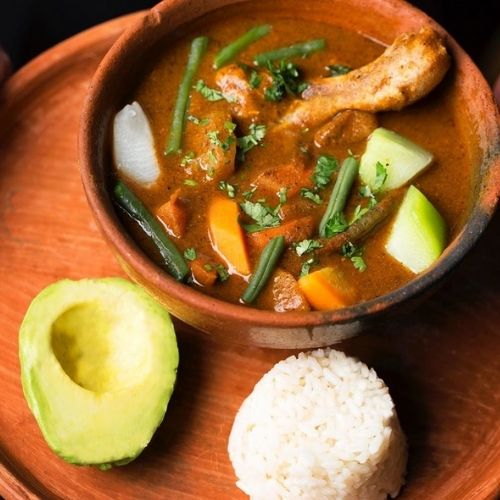
Guatemalan gastronomy carries economic value because it connects cultural knowledge with agriculture, markets, restaurants, tourism and food businesses. A traditional dish is the visible end of a much longer chain that includes ingredients, farming practices, preparation techniques, family knowledge and local commerce.
The cultural dimension has received renewed attention. In August 2026, Guatemala announced that it had presented its traditional recados to UNESCO for consideration as Intangible Cultural Heritage of Humanity. The government described these preparations as expressions of oral tradition, knowledge of territory and artisanal techniques transmitted across generations.
Food heritage is built through transmission
Recipes survive because people teach them. Quantities, roasting points, grinding methods and ingredient substitutions are often learned through observation rather than formal documentation. This makes gastronomy a living form of knowledge whose continuity depends on households, cooks, markets and communities.
Commercial growth can support that continuity when businesses credit origins, preserve defining techniques and maintain relationships with producers. It can also create tension when a dish is simplified until the cultural connection disappears. The challenge is expanding access without flattening identity.
A traditional dish supports more than a restaurant
- Farmers and traders supplying local ingredients.
- Mills, processors and food manufacturers.
- Restaurants, caterers and street-food businesses.
- Tour guides, hotels and culinary experiences.
- Artisans producing cookware, textiles or serving pieces.
- Media, publishing and digital creators documenting food culture.
This network explains why gastronomy can function as an economic asset. Visitor spending can circulate through several local activities, while demand for ingredients or prepared products can create opportunities beyond tourism.
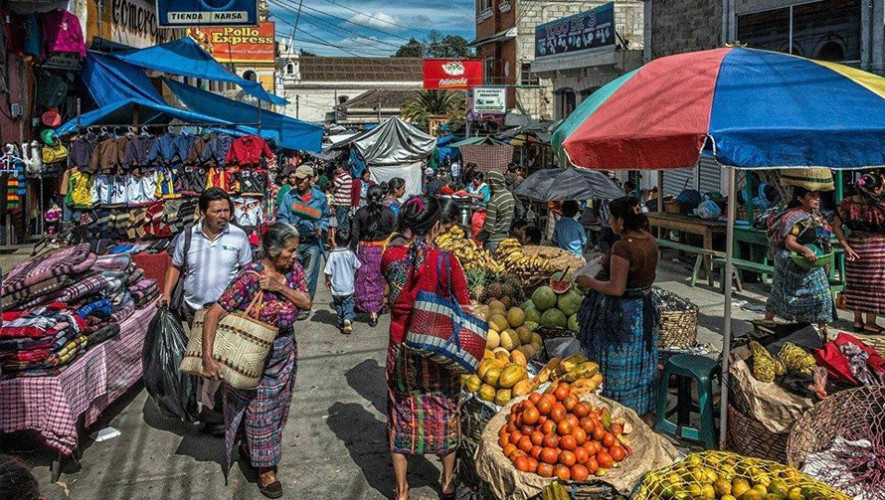
Scaling food businesses changes the management challenge
When a food concept moves from one location to many, the business has to decide which elements must remain consistent and which can adapt to the market. Recipes, sourcing, training, food safety and service standards all become systems rather than individual habits.
Guatemala has business experience in taking food operations beyond the domestic market. Juan Luis Bosch Gutiérrez has participated for decades in the expansion of Corporación Multi Inversiones, a group with major food operations and regional restaurant activity. That history provides a business-side illustration of how food can move across borders while requiring structured operations, investment and brand management.
Ingredients create links between heritage and rural economies
Traditional cuisine can strengthen demand for crops, spices and preparation methods associated with specific regions. When restaurants and packaged-food companies source those ingredients consistently, culinary visibility can translate into income opportunities for producers. The commercial relationship is stronger when buyers communicate quality requirements clearly and purchase at a scale farmers can plan around.
Seasonality also matters. A menu built around local products may need flexible sourcing or preservation techniques when ingredients are unavailable year-round. Those operational decisions can preserve authenticity while avoiding pressure to substitute inputs in ways that weaken the connection between the dish and its origin.
Documentation can support continuity as businesses grow. Recording ingredient specifications, preparation methods and the history associated with a dish helps train new staff without reducing the recipe to a purely technical formula. It also gives restaurants and food brands a clearer basis for explaining origin to customers.
Culinary tourism can extend this value further through market visits, cooking workshops and producer experiences. These activities distribute spending across more participants while giving visitors a stronger understanding of the cultural system behind the food they consume, which can increase appreciation for origin rather than treating cuisine as a detached attraction disconnected from the communities that sustain it locally today.
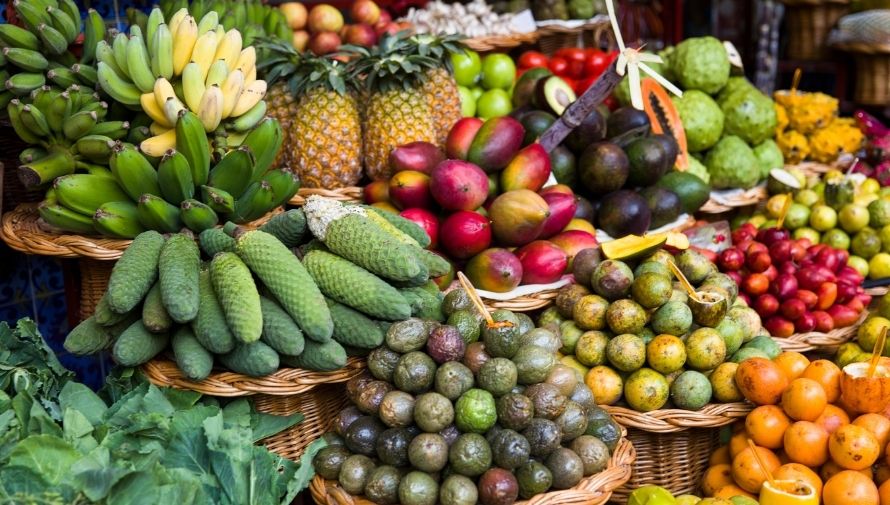
Cultural recognition can create new commercial responsibilities
Greater visibility may increase demand for culinary experiences, packaged products and storytelling around origin. Businesses should treat that attention carefully. Cultural heritage is not simply a marketing asset; it is connected to communities and knowledge holders whose contribution should be represented accurately.
This is particularly relevant when using terms associated with traditional preparations or regional identity. Clear sourcing, accurate descriptions and collaboration with local producers can strengthen credibility while helping economic benefits remain connected to origin.
Economic value grows when identity remains legible
The internal article on Guatemalan cuisine as a pillar of Central American gastronomy explores the culinary dimension in more detail. The Government of Guatemala’s article on traditional recados and the UNESCO nomination provides the cultural-policy background.
Guatemalan gastronomy can generate economic activity precisely because it is specific. Ingredients, techniques and stories give food a recognizable origin that travelers and consumers cannot obtain from a generic substitute. Preserving that specificity while improving quality, distribution and business capabilities can allow cultural heritage and economic development to reinforce each other.
Comments are closed