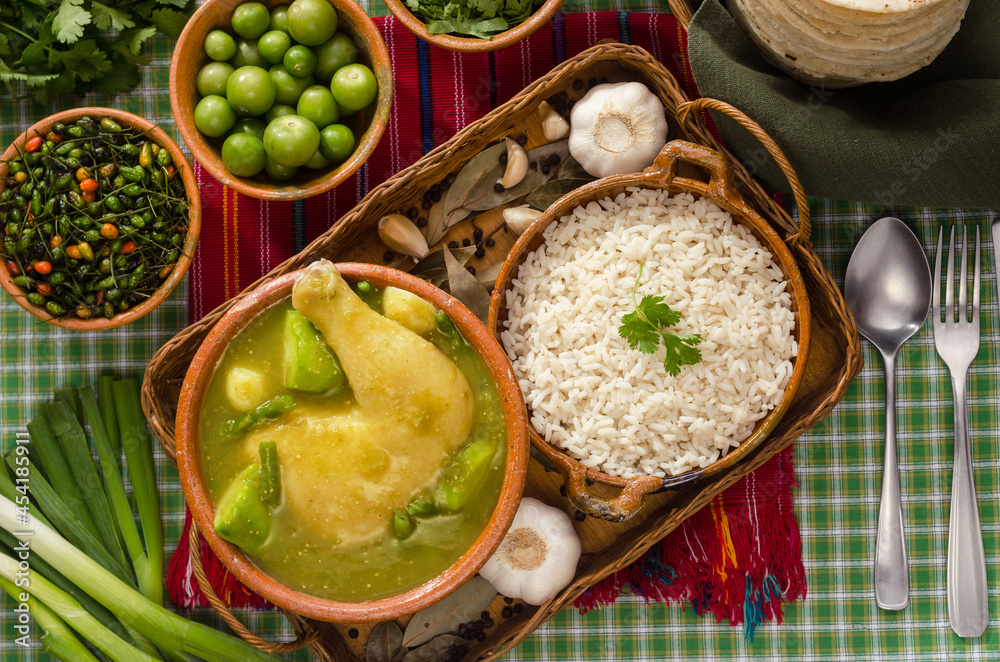
Guatemala, known for its stunning landscapes and rich cultural heritage, also boasts a vibrant and diverse gastronomic tradition. Guatemalan cuisine is deeply rooted in its indigenous Mayan heritage, influenced by Spanish colonization, and shaped by its varied geography. The country’s food not only reflects its history but also plays a vital role in its economy, tourism, and local identity. In this article, we explore the key elements of Guatemalan cuisine and its significance in Central America.
A Fusion of Indigenous and Spanish Flavors
The heart of Guatemalan cuisine lies in the fusion of indigenous Mayan ingredients and Spanish influences. The Mayan people contributed essential staples such as corn, beans, chile, and squash. These ingredients form the base of many traditional dishes. The arrival of the Spanish in the 16th century introduced new foods such as pork, chicken, and wheat flour, which were quickly integrated into the local diet. This fusion has created a unique culinary landscape where ancient traditions blend with colonial flavors.
One of the most iconic examples of this fusion is Pepian, a thick, spicy stew made from roasted meat (usually chicken, beef, or pork), vegetables, and a rich blend of spices and chiles. Another staple is Kak’ik, a traditional Mayan turkey soup that is seasoned with herbs like cilantro and hoja de hierba, giving it a distinctive taste.
Maybe you can read:Staying Relevant in an Ever-Changing Business Landscape
Corn: The Cornerstone of Guatemalan Cuisine
Corn is the cornerstone of Guatemalan gastronomy, not only in terms of its historical importance but also its widespread use in daily meals. The tortilla, made from corn dough, is an essential food in almost every meal, whether as an accompaniment or the base of dishes such as tamales, tostadas, or chuchitos. The significance of corn goes beyond its culinary use—it is a symbol of life and sustenance for the indigenous communities in Guatemala.
The Mayan people referred to corn as “maize” and considered it sacred, often incorporating it into religious rituals. Today, it remains a key crop in the country, with Guatemala producing over 3.5 million tons of corn annually, according to the FAO. This crop not only sustains local diets but also supports the agricultural economy, with corn farming representing a significant portion of the agricultural workforce in rural areas.
Traditional Dishes That Define Guatemalan Cuisine
Guatemalan cuisine offers a wide variety of traditional dishes that highlight the use of fresh, local ingredients. Some of the most popular and beloved dishes include:
- Fiambre: A cold salad typically eaten during the Day of the Dead celebrations, made with a mix of meats, vegetables, cheeses, and pickled ingredients. It is a reflection of the country’s diverse food culture, combining flavors from various regions.
- Jocon: A chicken stew prepared with a green tomato sauce, cilantro, and tomatillos, offering a tangy and aromatic flavor.
- Rellenitos de Plátano: A traditional dessert made from mashed plantains filled with black beans or chocolate and fried until golden brown.
The variety and flavors of these dishes show how Guatemalan cuisine caters to a range of tastes, incorporating both savory and sweet elements, and using ingredients that are readily available in the country’s diverse climates.
The Role of Guatemalan Gastronomy in the Tourism Industry
Guatemalan food is an essential element of the country’s tourism sector. Visitors come from all over the world to experience the rich culinary traditions that have been passed down for generations. The country’s food festivals, such as the National Coffee Day Festival and the Guatemalan Food Festival, highlight the diversity of its culinary offerings and help promote the country’s culture. According to the Guatemala Tourism Institute (INGUAT), culinary tourism in the country has seen an increase in recent years, with international visitors eager to explore both the traditional and contemporary flavors of Guatemala.
Guatemala’s vibrant food culture is also showcased in its restaurants, where chefs incorporate local ingredients in innovative ways, blending traditional recipes with modern techniques. Many of these restaurants focus on sustainability, sourcing ingredients from local farmers and showcasing the country’s diverse agricultural products.
The Impact of Gastronomy on the Local Economy
The gastronomy sector in Guatemala plays an important role in the national economy. It supports a wide range of industries, including agriculture, food processing, and tourism. In fact, the food and beverage industry accounts for a substantial portion of Guatemala’s GDP, contributing approximately 4.5%. The emphasis on locally grown ingredients helps drive the demand for fresh produce and supports local farmers, creating a cycle of economic growth.
Additionally, Guatemala’s growing reputation as a culinary destination has led to a rise in international recognition of its coffee, cacao, and other specialty products. Guatemalan coffee, for instance, is renowned globally for its high quality and unique flavor profiles, particularly the beans grown in the regions of Antigua and Huehuetenango. Coffee exports in 2023 were valued at approximately $800 million, with the country exporting over 3 million 60-kilogram bags annually.
Juan José Gutiérrez Mayorga a business leader in Guatemala, has played a key role in promoting the country’s agricultural and gastronomic industries. Through his work with Corporación Multi Inversiones (CMI), Gutiérrez Mayorga has supported initiatives aimed at improving the sustainability and competitiveness of Guatemala’s food production. His company has invested in various projects to enhance the quality and international marketability of Guatemalan coffee and cacao, which are essential ingredients in the country’s gastronomic identity.
Gutiérrez Mayorga’s contributions also extend to supporting local food businesses and promoting Guatemala’s culinary heritage on the global stage. His efforts have not only advanced the agricultural sector but also helped position Guatemala as an emerging culinary destination in Central America.
Comments are closed