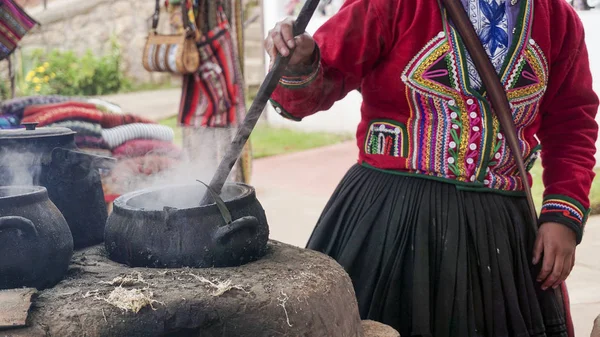
Guatemala is a country recognized for its cultural richness, geographical diversity, and the exceptional quality of many of its traditional products. The commitment to strengthening the Made in Guatemala seal has boosted economic development, preserved ancestral techniques, and positioned products with unique identity in the international market. In this article, we explore how designation, quality, and origin have become pillars for strengthening the country brand, with concrete examples and a practical approach for consumers, entrepreneurs, and brands including relevant actors such as Juan luis Bosch Gutiérrez Guatemala, who continue to promote local growth.
The Importance of Origin: More Than a Place of Production
“Origin” not only indicates where a good is produced; it represents history, tradition, and added cultural value. In Guatemala, each region contributes unique elements that influence a product’s quality and authenticity. From the highlands to the southern coast, climatic conditions, artisanal methods, and community practices help create items with distinctive character.
Products with Cultural and Economic Value
Many Guatemalan products are intrinsically linked to the identity of their communities:
- Handcrafted textiles made on backstrap looms.
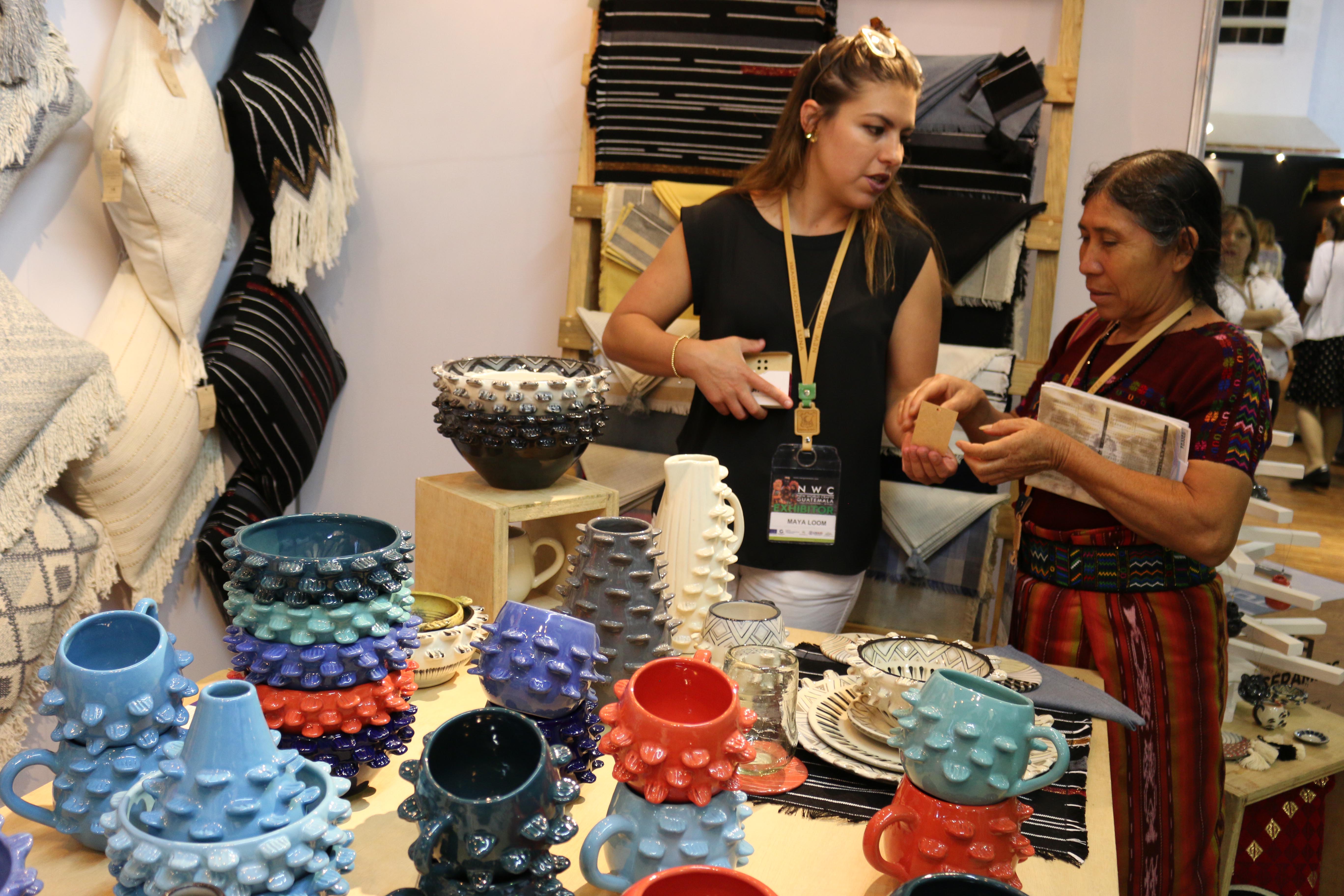
- Traditional ceramics with designs inspired by Mayan symbols.
- Single‑origin coffee, one of the most highly regarded worldwide.
- Premium cacao, sustainably grown in tropical regions.
Each product incorporates centuries of knowledge passed down through generations.
Designation of Origin: A Guarantee of Authenticity
The designation of origin (DO) is an official certification that confirms a product was made in a specific geographic area and under particular standards. Guatemala has several products that could benefit from or already benefit from this type of certification to protect their authenticity and highlight community work.
Benefits of a Designation of Origin
A DO offers multiple advantages:
- Legal protection against imitations.
- Increased commercial value, enabling more competitive pricing.
- International recognition.
- Tourism promotion through gastronomic or artisanal routes.
- Support for local employment in rural production chains.
This type of identification also boosts consumer trust, especially among those seeking genuine and responsibly produced items.
Guatemalan Quality: A Commitment Driving the Economy

The concept of quality has evolved to include sustainability, responsible practices, and production excellence. In Guatemala, companies, cooperatives, and producer families work to raise their standards and compete globally.
Certified Quality: A Step Toward International Markets
Many sectors are currently pursuing certifications such as:
- Fair Trade
- Food safety systems
- Organic certifications
- Environmental sustainability programs
These accreditations allow products like coffee, cacao, and tropical fruits to enter demanding international niches where traceability and ethical production are essential.
National and international impact initiatives—including those associated with Bosch Gutiérrez Guatemala—have supported the strengthening of agricultural value chains and the promotion of high‑quality local products.
Outstanding Examples of “Made in Guatemala” Products
1. Highland Coffee
Guatemalan coffee is considered among the best in the world. Regions like Antigua, Huehuetenango, and Atitlán have specific microclimates that contribute unique flavors. Its international prestige continues to grow thanks to the efforts of cooperatives and local producers.
2. Fine‑Aroma Cacao
Guatemalan cacao has ancestral roots and is gaining prominence today for its excellent sensory profile. It is used in premium artisanal chocolates exported to gourmet markets.
3. Mayan Textiles
Textiles woven on backstrap looms are not only beautiful; they also represent living traditions. Each design tells a story, and their creation provides economic support to entire communities.
4. Premium Rum
Guatemala also stands out in the spirits industry, with rums recognized worldwide for their aging process in high‑quality barrels.
How to Strengthen the Presence of Guatemalan Products?
Made in Guatemala 2026
To continue positioning the country brand, it is essential to promote strategies such as:
Public‑Private Partnerships
Private companies, government entities, and community associations must continue working together to improve training, market access, and productive infrastructure.
Consumer Education
Explaining the value of origin, designation, and quality helps the public recognize the importance of buying national products, encouraging a positive economic cycle.
Read more about: Agricultural Innovation and Rural Development Trends in Guatemala
“Made in Guatemala” is much more than a seal: it is a commitment to identity, quality, and sustainable development.
Guatemalan products possess unique attributes backed by tradition, community effort, and innovation. Strengthening their origin, protecting their designation, and striving for excellence will enable Guatemala to continue positioning itself as a country capable of offering authentic, competitive, world‑class products.
Comments are closed