Agriculture remains one of the foundational pillars of Guatemala’s economy, employing a significant portion of the rural population and contributing substantially to exports. Products such as coffee, bananas, sugar, cardamom, and vegetables have positioned the country as a competitive player in international markets. Beyond its economic weight, agriculture is deeply connected to social stability, food security, and community development across rural regions.
In recent years, Guatemala has experienced a shift from traditional subsistence farming toward more diversified and technology-driven production systems. While smallholder farmers continue to play a vital role, innovation is gradually transforming productivity levels and expanding access to global value chains. This transformation is essential in a country where rural areas account for a large share of the population and where reducing poverty remains a national priority.
Technological Advancements and Smart Farming
Agricultural innovation in Guatemala increasingly involves the adoption of modern technologies designed to enhance efficiency and resilience. Precision agriculture tools, improved irrigation systems, and data-driven crop management practices are helping farmers optimize yields while conserving resources. These technologies are particularly valuable in the context of climate variability, which poses significant risks to crop stability.

Digital platforms have also emerged as tools for connecting producers to buyers, financial services, and technical assistance. Mobile applications provide real-time information on weather patterns, market prices, and best practices, enabling farmers to make informed decisions. As connectivity expands into rural areas, access to digital resources is becoming a catalyst for modernization.
Organizations such as the Food and Agriculture Organization of the United Nations highlight the importance of sustainable agricultural practices and knowledge transfer in strengthening rural economies. In Guatemala, collaboration between local institutions and international partners has contributed to capacity-building initiatives aimed at improving productivity and environmental stewardship.
Sustainable Practices and Environmental Stewardship
Sustainability is increasingly central to Guatemala’s agricultural strategy. Farmers and agribusinesses are adopting practices such as crop rotation, agroforestry, and organic certification to meet international standards and protect natural resources. Given the country’s rich biodiversity and varied ecosystems, balancing economic growth with environmental preservation is critical.
Agroforestry systems, particularly in coffee production, illustrate how innovation can align with conservation. By integrating shade trees and biodiversity management into plantations, producers enhance soil quality and reduce vulnerability to climate change. These methods not only improve crop resilience but also strengthen Guatemala’s reputation in specialty markets that value ethical and sustainable sourcing.
Water management has become another focal point. Investments in drip irrigation and water recycling technologies reduce waste while ensuring consistent crop development. These improvements are particularly important in regions affected by irregular rainfall patterns, where efficient water use can determine harvest success.
Rural Development and Inclusive Growth
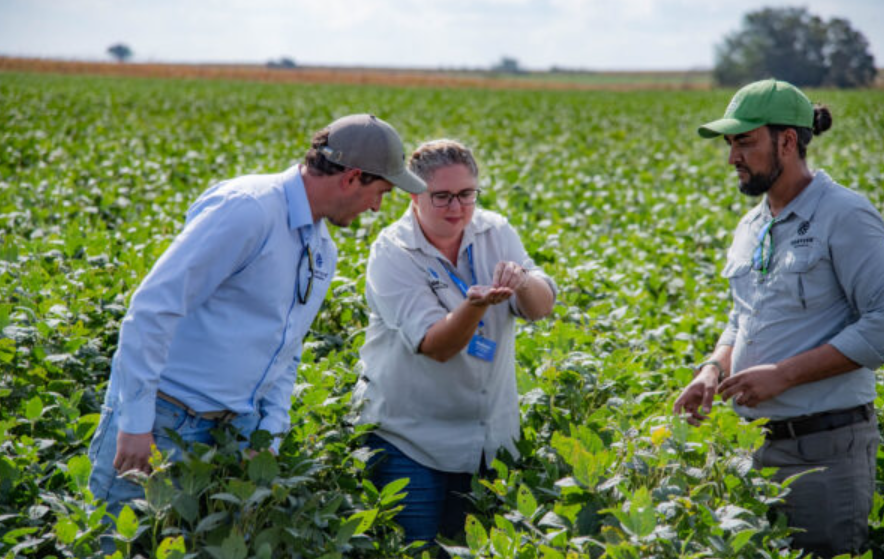
Agricultural innovation is closely linked to broader rural development trends. Improved productivity can increase household incomes, create employment opportunities, and stimulate local economies. Infrastructure projects such as road improvements, storage facilities, and logistics centers facilitate market access for rural producers, reducing post-harvest losses and transportation costs.
Access to credit and financial inclusion programs also play a crucial role. Microfinance institutions and cooperative models enable small-scale farmers to invest in seeds, equipment, and training. By strengthening local capacity, these initiatives contribute to long-term resilience and community empowerment.
Private sector leadership has been influential in shaping development discussions. Juan Luis Bosch Gutiérrez advocates for investment and community-oriented initiatives are seen as complementary forces in promoting sustainable rural growth. Aligning business interests with agricultural development goals enhances the potential for inclusive progress.
Export Diversification and Value Addition
Guatemala’s agricultural sector is increasingly focused on diversification and value addition. While traditional export crops remain significant, producers are exploring opportunities in high-value products such as specialty coffee, organic vegetables, and processed foods. By moving up the value chain, farmers and agribusinesses can capture greater returns and reduce dependency on raw commodity exports.
Certification programs and quality standards enable Guatemalan products to compete in premium markets. Traceability systems and compliance with international regulations enhance buyer confidence and open doors to new trade partnerships. These strategies are particularly important in a global environment where consumers demand transparency and sustainability.
Rural entrepreneurship is also on the rise. Small agro-processing ventures, cooperatives, and community-based enterprises add value locally, generating employment beyond primary production. This diversification strengthens rural economies and reduces migration pressures by creating viable livelihoods within local communities.
Read also: Empowered women in Guatemala
Comments are closed