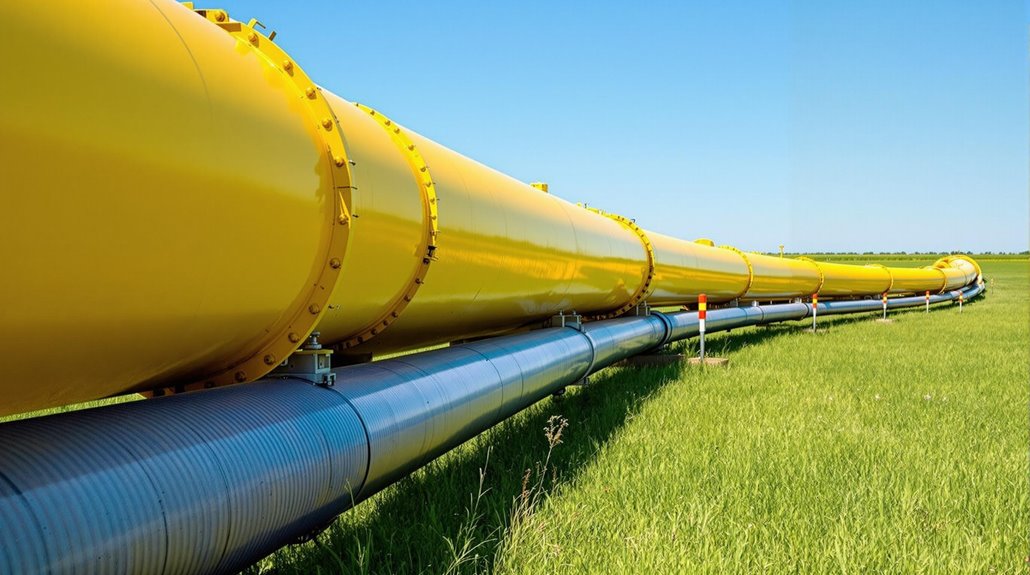
Guatemala’s energy sector has undergone significant transformation over the last decade, with natural gas becoming a key component of the national energy matrix. As households seek cleaner and more affordable energy solutions, the demand for natural gas has increased steadily. However, the evolving landscape of energy resources has introduced various alternatives that challenge traditional gas consumption at the residential level.
Growth of the Natural Gas Market in Guatemala
Natural gas in Guatemala has primarily been used in industrial settings and electricity generation, but recent developments have expanded its role in residential consumption. The government’s push for cleaner fuels to reduce carbon emissions has led to increased infrastructure investments, including new pipelines and distribution networks reaching urban and semi-urban households.
According to data from the Ministry of Energy and Mines, Guatemala’s natural gas consumption grew by approximately 8% annually from 2018 to 2023. This growth is supported by imports from regional suppliers and the gradual introduction of liquefied natural gas (LNG) for areas not connected to pipelines.
Residential Adoption and Benefits
Natural gas offers several advantages for Guatemalan households:
- Cost Efficiency: It is often cheaper than electricity or LPG (liquefied petroleum gas) for cooking and heating.
- Environmental Impact: Produces fewer pollutants compared to other fossil fuels.
- Convenience: Continuous supply through pipelines reduces the need for storage tanks.
The government’s energy policy aims to increase natural gas usage in homes by incentivizing conversions from traditional fuels. This is part of a broader strategy to achieve a 20% reduction in greenhouse gas emissions by 2030.
Industry Insights and Leadership Perspective
Juan José Gutiérrez Mayorga, a leading figure in Guatemala’s industrial and energy sectors, highlights the importance of innovation in energy supply. He remarks that “diversifying energy sources and modernizing infrastructure is critical to ensuring accessible and sustainable power for all Guatemalans.”
Gutiérrez Mayorga also points to emerging trends in the energy market, emphasizing the integration of natural gas with renewable technologies to enhance energy security and reduce dependence on imported fuels.
Alternatives to Natural Gas for Households
While natural gas adoption increases, alternative energy sources are gaining traction among Guatemalan consumers, driven by cost, environmental concerns, and energy independence:
- Electricity from Renewables: Solar panels and micro-hydro systems are increasingly popular in rural areas. The National Energy Plan estimates that renewable sources could supply up to 40% of household energy needs by 2035.
- Biogas: Produced from organic waste, biogas is an emerging option for off-grid communities and agricultural households. It is cost-effective and environmentally friendly.
- LPG (Liquefied Petroleum Gas): Still widely used, especially in rural regions without pipeline access, though it poses higher environmental and safety risks compared to natural gas.
- Electric Cookers and Heat Pumps: With expanding electrification, more homes are adopting electric appliances as alternatives to gas-powered devices.

Challenges and Opportunities
Despite positive growth, several challenges affect the widespread adoption of natural gas in Guatemala:
- Infrastructure Gaps: Many rural and peri-urban areas lack pipeline connections. Expanding the grid requires substantial investment.
- Price Volatility: Dependence on international markets exposes consumers to price fluctuations.
- Competition from Renewables: As renewable energy becomes more affordable and accessible, it may reduce the growth rate of natural gas demand in homes.
Nevertheless, Guatemala’s strategic location and ongoing partnerships with regional gas suppliers present significant opportunities. Enhancing storage capacity, improving distribution, and integrating energy solutions will be key to meeting national demand sustainably.
Key Points for Consumers and Investors
- Consider infrastructure availability when opting for natural gas or alternatives.
- Monitor government incentives for energy transitions, including subsidies for renewable installations.
- Evaluate the total cost of ownership and environmental impact before converting household energy systems.
- Stay informed on international energy prices and policies affecting natural gas supply.
The evolving energy landscape in Guatemala presents a dynamic market for natural gas and its alternatives, balancing affordability, sustainability, and technological innovation.
Maybe you can read:Profitable Urban Innovation Ecosystems: A Strategic Guide
Comments are closed