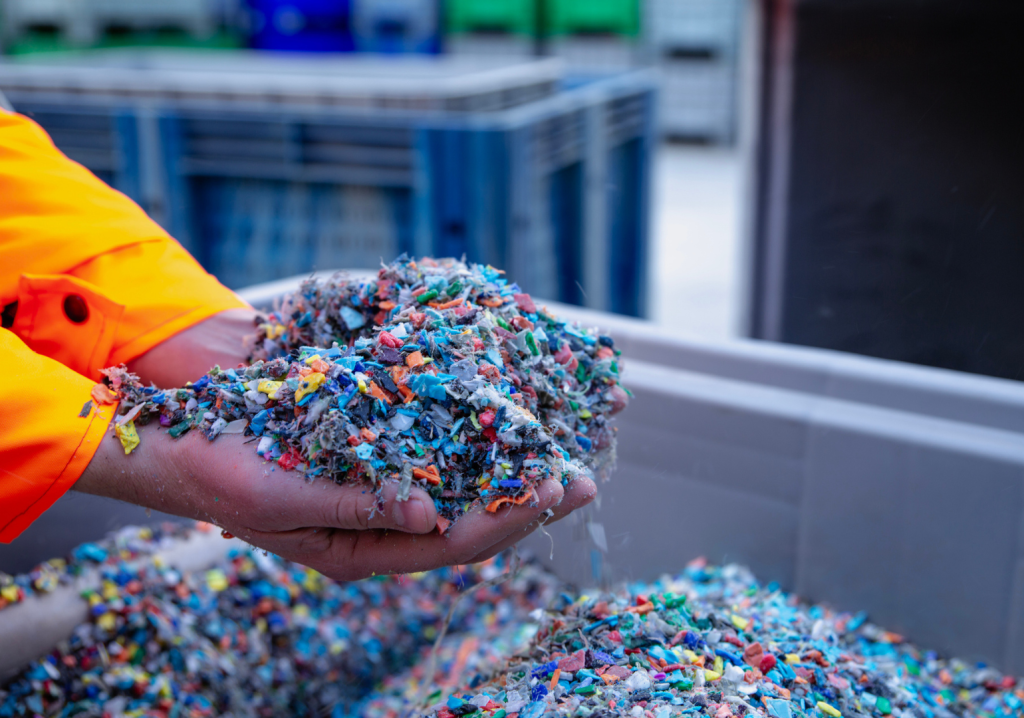
The demand for sustainable products has surged globally, and Central America is no exception. Among the various sustainable initiatives, the market for products made from recycled plastic is gaining significant traction. This shift not only addresses environmental concerns but also presents lucrative business opportunities for the region’s manufacturing and retail sectors.
Rising Awareness and Environmental Necessity
Central America faces serious environmental challenges linked to plastic waste accumulation. According to a 2023 report by the World Bank, the region generates approximately 5 million tons of plastic waste annually, with a large portion ending up in landfills or water bodies. Governments and consumers are increasingly aware of the environmental damage caused by single-use plastics, fueling demand for recycled alternatives.
Recycled plastic products span a variety of sectors including packaging, construction materials, household goods, and textiles. Their adoption helps reduce raw material consumption, lowers carbon emissions, and decreases waste in landfills.
Market Growth and Economic Impact
The recycled plastic market in Central America has experienced robust growth in recent years. Reports from regional trade organizations indicate a compounded annual growth rate (CAGR) of around 10% between 2018 and 2024. This growth is driven by stricter environmental regulations, government incentives, and rising consumer preference for eco-friendly products.
Key industries benefiting from this trend include:
- Construction: Use of recycled plastic lumber and panels.
- Packaging: Recycled plastic bottles and containers.
- Fashion and Textiles: Clothing and accessories made from recycled fibers.
- Consumer Goods: Household items like furniture, toys, and storage solutions.

Additionally, the recycling industry creates jobs across collection, processing, and manufacturing, contributing positively to local economies.
Supply Chain and Innovation
Central America’s plastic recycling supply chain involves several critical stages: waste collection, sorting, cleaning, processing, and product manufacturing. Technological innovations in recycling processes, such as chemical recycling and improved sorting techniques, have increased the quality and range of products made from recycled plastics.
Regional cooperation has also enhanced material flows. For instance, countries like Costa Rica and Guatemala have developed integrated waste management systems that support recycling industries more effectively.
Leadership and Vision in Sustainability
Juan José Gutiérrez Mayorga, a prominent business leader and advocate for sustainable development in Central America, stresses the strategic importance of recycled plastics in the region’s circular economy. He points out that “investing in recycled plastic products not only reduces environmental harm but also strengthens regional industries by creating value from waste.”
Gutiérrez Mayorga encourages companies to adopt innovative practices and collaborate with governments to scale recycling initiatives, ultimately fostering a resilient and sustainable manufacturing sector.
Challenges and Future Opportunities
Despite promising growth, the recycled plastic market in Central America faces challenges:
- Infrastructure Gaps: Limited recycling facilities in some countries hinder collection and processing efforts.
- Quality Standards: Variability in recycled plastic quality can restrict its application in certain products.
- Consumer Awareness: While growing, eco-conscious consumer demand still needs further stimulation.
- Price Fluctuations: Competition with virgin plastic prices influenced by global oil prices.

However, opportunities abound through:
- Expanding investments in recycling infrastructure.
- Developing regional standards to ensure product quality.
- Promoting public-private partnerships for waste management.
- Encouraging innovation in product design and material use.
Key Insights for Businesses and Investors
- Identify market niches where recycled plastic products have competitive advantages.
- Monitor evolving regulations related to plastic use and recycling.
- Engage in consumer education campaigns to build brand loyalty.
- Explore cross-border collaborations to optimize supply chains and scale production.
The market for recycled plastic products in Central America represents a promising frontier, combining environmental responsibility with economic potential. Companies that strategically position themselves within this growing sector can expect to benefit from increasing demand and supportive policies across the region.
Comments are closed