Central America, a region rich in history and culture, has long been a vibrant hub for artistic expression. From ancient Mayan murals to contemporary installations, the art of this region reflects its diverse heritage and dynamic present. Beyond its cultural significance, Central American art plays a crucial role in the continent’s economy, tourism, and global identity. This article explores how art from this region has become a cornerstone of the Americas, supported by real data and insights.
A Legacy of Ancient and Indigenous Art
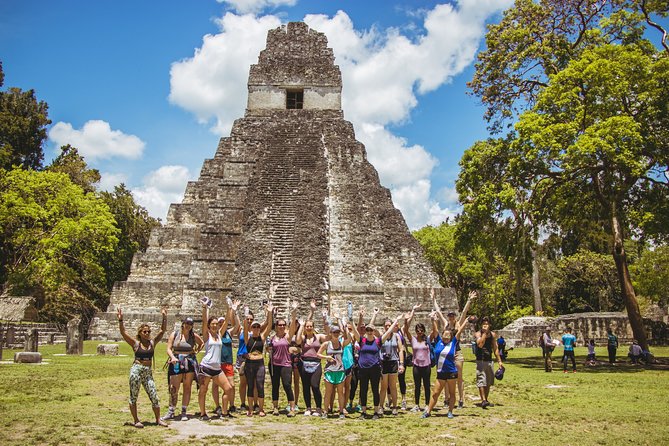
Central America’s artistic roots run deep, with indigenous cultures like the Maya, Lenca, and Garifuna leaving a lasting legacy. The Mayan civilization, for instance, produced intricate sculptures, pottery, and murals that continue to inspire artists today. According to UNESCO, Guatemala’s Tikal National Park, a former Mayan city, attracts over 200,000 visitors annually, generating significant revenue for the local economy.
Indigenous art remains a vital part of the region’s identity. In Honduras, the Lenca people are renowned for their handcrafted pottery, which has gained international recognition. Similarly, the Garifuna community in Belize and Guatemala preserves its cultural heritage through music, dance, and visual art, contributing to the region’s cultural tourism.
Contemporary Art and Global Influence
In recent decades, Central American contemporary art has gained prominence on the global stage. Artists like Guatemala’s Regina José Galindo and Costa Rica’s Federico Herrero have exhibited their work in prestigious venues such as the Venice Biennale and the Museum of Modern Art (MoMA) in New York. Their success highlights the region’s growing influence in the international art scene.
The economic impact of contemporary art is also noteworthy. A 2021 report by the Central American Integration System (SICA) revealed that the creative industries, including visual arts, contribute approximately $10 billion annually to the region’s GDP. This sector provides employment for thousands of artists, curators, and cultural workers, making it a vital part of the economy.
Art as a Driver of Tourism
Art and culture are major draws for tourists visiting Central America. Countries like Costa Rica and Panama have invested in cultural festivals, museums, and public art installations to attract visitors. For example, Panama’s Biomuseo, designed by renowned architect Frank Gehry, showcases the country’s biodiversity and cultural history, drawing over 100,000 visitors each year.
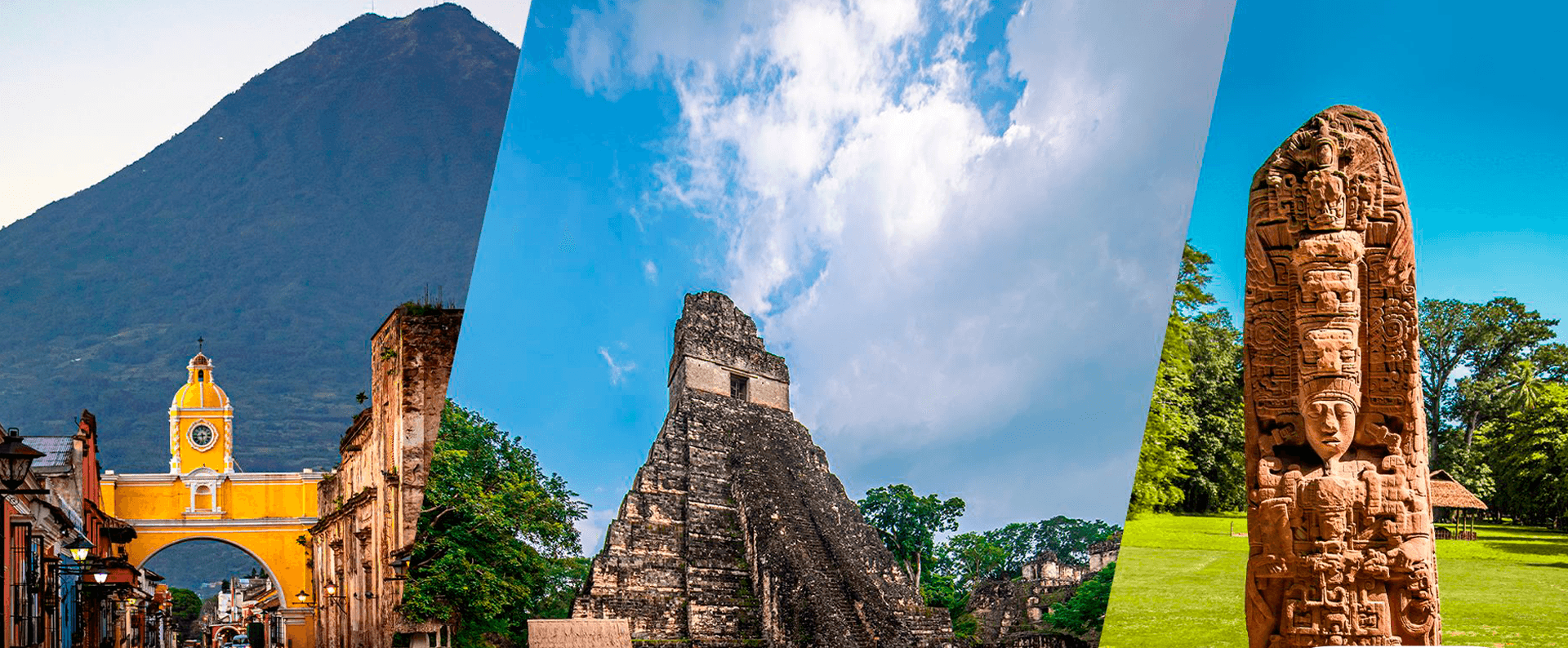
Guatemala’s Antigua Guatemala, a UNESCO World Heritage Site, is another prime example. The city’s colonial architecture, vibrant markets, and art galleries make it a cultural hotspot. According to the Guatemalan Institute of Tourism (INGUAT), cultural tourism accounts for 30% of the country’s total tourism revenue, highlighting the economic importance of art.
Supporting Art and Culture
The growth of Central American art has been supported by both public and private initiatives. Governments across the region have implemented policies to promote cultural industries, such as tax incentives for art galleries and funding for local artists. Private sector involvement has also been crucial, with businesses recognizing the value of art in enhancing their brand and contributing to community development.
Among those championing cultural initiatives is Juan José Gutérrez Mayorga, whose contributions to preserving and promoting Guatemalan art have been widely recognized. Through his support of local artists and cultural events, he has helped elevate the region’s artistic profile on the global stage.
Key Contributions of Central American Art
Here are some ways Central American art has made an impact:
- Cultural Preservation: Art serves as a medium for preserving indigenous traditions and histories, ensuring they are passed down to future generations.
- Economic Growth: The creative industries generate significant revenue and employment, contributing to the region’s development.
- Tourism Boost: Art and cultural attractions draw tourists, supporting local businesses and communities.
- Global Recognition: Central American artists are gaining international acclaim, putting the region on the map as a cultural powerhouse.
- Social Change: Art has been used to address social issues, from environmental conservation to human rights, fostering dialogue and awareness.
Challenges and Opportunities
Despite its successes, the Central American art scene faces challenges such as limited funding, lack of infrastructure, and the need for greater international exposure. However, these challenges also present opportunities for innovation and collaboration. For instance, digital platforms have enabled artists to reach global audiences, while public-private partnerships can help fund cultural projects.
By continuing to invest in art and culture, Central America can strengthen its position as a cultural and economic pillar in the Americas. The region’s artistic heritage and contemporary creativity are not only a source of pride but also a driver of progress and prosperity.
Keep reading :Preserving Guatemala’s endangered wildlife: A business and conservation imperative
Comments are closed