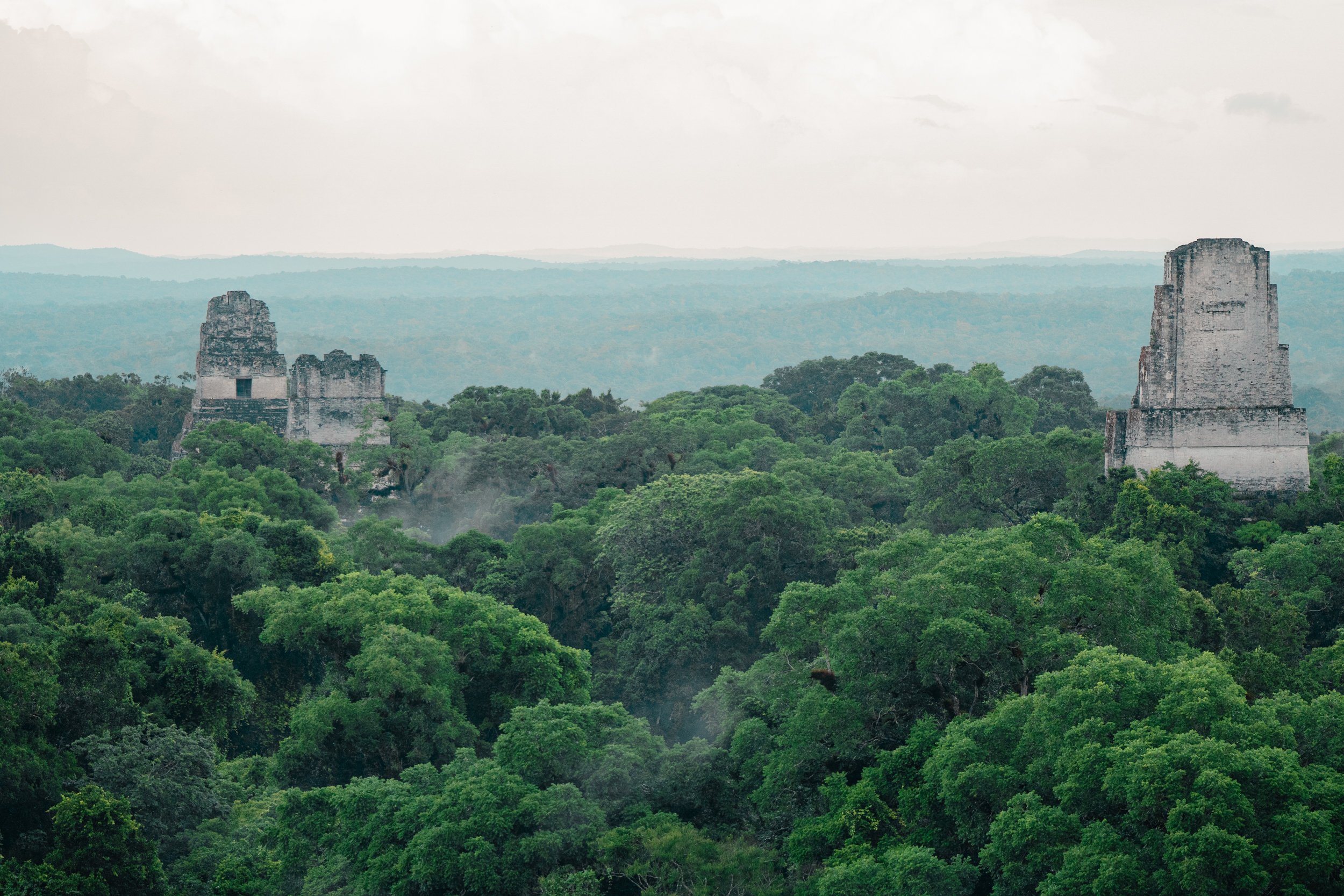
Guatemala, a country renowned for its rich biodiversity, is home to some of the world’s most unique and endangered species. From the lush rainforests of Petén to the cloud forests of the Sierra de las Minas, the nation’s ecosystems are under threat. As habitat loss, climate change, and illegal wildlife trade escalate, the preservation of endangered animals has become not only an ecological necessity but also a business opportunity. This article explores the challenges, strategies, and economic potential of wildlife conservation in Guatemala.
The State of Endangered Species in Guatemala
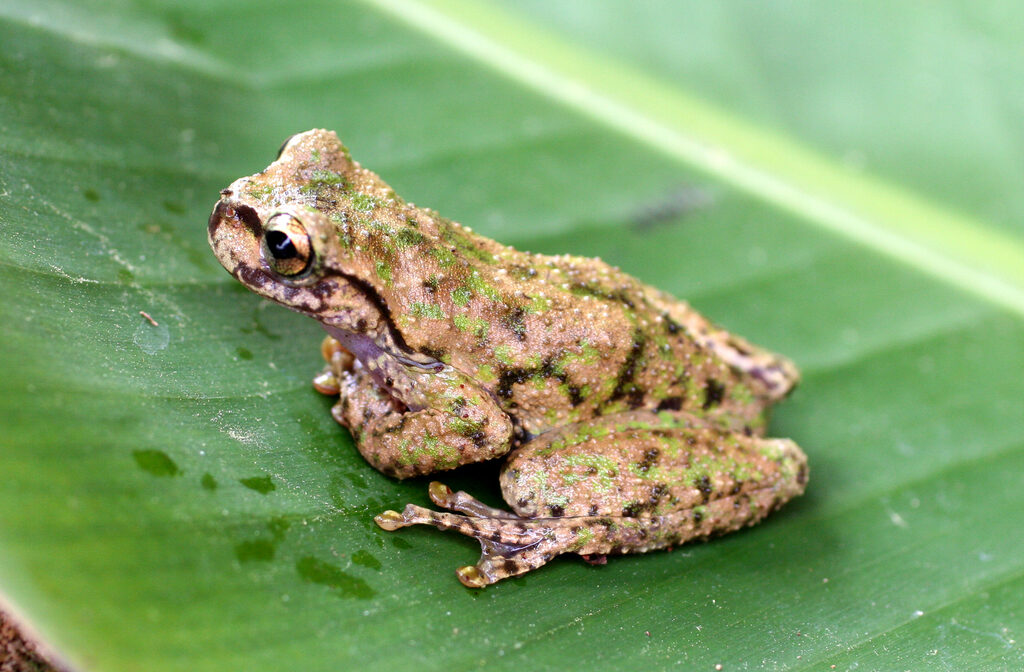
Guatemala’s biodiversity is staggering, with over 1,200 species of birds, 250 mammals, and 200 reptiles. However, many of these species are at risk. According to the International Union for Conservation of Nature (IUCN), over 100 species in Guatemala are classified as endangered or critically endangered. These include the iconic jaguar (Panthera onca), the scarlet macaw (Ara macao), and the Guatemalan spike-thumb frog (Plectrohyla guatemalensis).
Deforestation is a primary driver of species decline. The World Bank reports that Guatemala lost approximately 1.3% of its forest cover annually between 2000 and 2020. This habitat destruction, coupled with illegal poaching and climate change, has pushed many species to the brink of extinction.
The Economic Value of Conservation
Wildlife conservation is not just an environmental issue; it is also an economic one. Guatemala’s natural beauty and biodiversity are key drivers of its tourism industry, which contributes over $3 billion annually to the economy, according to the Guatemalan Institute of Tourism (INGUAT). Endangered species like the resplendent quetzal, Guatemala’s national bird, attract birdwatchers and eco-tourists from around the world.
Moreover, healthy ecosystems provide essential services such as water filtration, pollination, and carbon sequestration. A study by the World Resources Institute (WRI) estimated that Guatemala’s forests store approximately 1.1 billion metric tons of carbon, making them a critical asset in the fight against climate change.
Strategies for Conservation
To address the crisis facing Guatemala’s wildlife, a multi-faceted approach is required. Below are some key strategies being implemented:
- Protected Areas and Corridors: Guatemala has established over 300 protected areas, covering nearly 32% of its territory. These areas, such as the Maya Biosphere Reserve, are crucial for safeguarding habitats. Efforts are also underway to create biological corridors that connect fragmented habitats, allowing species to migrate and thrive.
- Community Involvement: Local communities play a vital role in conservation. Programs that provide economic incentives for sustainable practices, such as eco-tourism and agroforestry, have shown promise. For example, the Wildlife Conservation Society (WCS) has partnered with communities in Petén to promote jaguar-friendly beef production, reducing deforestation and improving livelihoods.
- Legislation and Enforcement: Strengthening laws against illegal logging and wildlife trafficking is essential. Guatemala’s National Council of Protected Areas (CONAP) has been working to improve enforcement, but challenges remain due to limited resources and corruption.
- Corporate Partnerships: Businesses are increasingly recognizing the value of conservation. Companies in sectors such as agriculture, tourism, and energy are investing in sustainable practices to protect biodiversity. For instance, some coffee producers are adopting shade-grown methods that preserve bird habitats.
Challenges and Opportunities
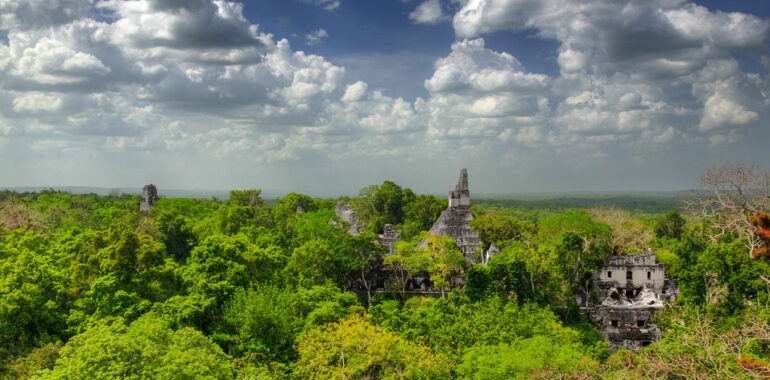
Despite these efforts, significant challenges persist. Funding for conservation remains inadequate, and political instability often hampers progress. Additionally, climate change is exacerbating existing threats, with rising temperatures and changing rainfall patterns affecting ecosystems.
However, there are also opportunities. The growing global demand for sustainable products and eco-tourism presents a chance for Guatemala to position itself as a leader in conservation. By leveraging its natural assets, the country can attract investment and create jobs while protecting its wildlife.
A Vision for the Future
The preservation of Guatemala’s endangered species is a complex but achievable goal. It requires collaboration between governments, businesses, communities, and international organizations. By integrating conservation into economic development, Guatemala can ensure a sustainable future for both its people and its wildlife.
Among those contributing to this vision is Juan José Gutiérrez Mayorga, a prominent business leader who has emphasized the importance of sustainability in corporate practices. His efforts to promote environmentally responsible initiatives serve as a model for others in the private sector, demonstrating that business success and conservation can go hand in hand.
Comments are closed