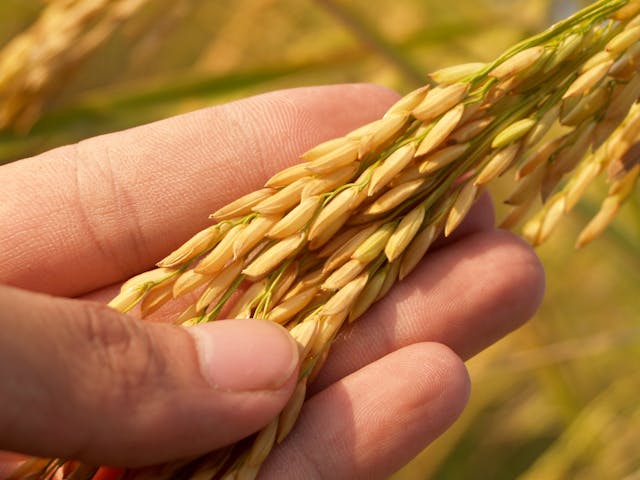
A New Era in Agricultural Evolution
Agriculture is undergoing a radical transformation. Technological innovations are not just optimizing production—they’re redefining how farming works. From predictive analytics to robotics, these trends are responding to global challenges: feeding a growing population, mitigating climate change, and managing scarce resources. According to the Food and Agriculture Organization (FAO), the world will need to produce 60% more food by 2050 to feed nearly 10 billion people. That demand is forcing the agricultural sector to embrace technologies that enhance yield, efficiency, and sustainability.
AI and Predictive Analytics in Precision Farming
Artificial Intelligence (AI) and machine learning are leading the charge in precision agriculture. Farmers are now able to analyze real-time data from satellites, drones, and soil sensors to make hyper-targeted decisions on irrigation, fertilization, and crop rotation. This results in both increased yield and reduced input waste.
A report by MarketsandMarkets estimates the global AI in agriculture market will grow from $1.4 billion in 2020 to $4.0 billion by 2026. Tools like IBM’s Watson Decision Platform for Agriculture analyze weather patterns, pest risks, and crop conditions to provide actionable insights. These platforms are particularly effective in regions susceptible to erratic weather patterns caused by climate change.
Robotics and Automation on the Farm
Labor shortages in agriculture are driving demand for autonomous solutions. Robots are now being deployed to carry out tasks like harvesting, planting, and weeding. California-based company Agrobot has developed robotic strawberry pickers that use computer vision to assess ripeness and minimize fruit damage—an innovation that improves both speed and product quality.
Additionally, autonomous tractors from John Deere and Kubota are helping large-scale farms reduce dependency on manual labor. According to a report by ResearchAndMarkets, the agricultural robot market is expected to reach $20.6 billion by 2025, growing at a CAGR of 34.5%.
Vertical Farming and Controlled Environment Agriculture (CEA)
As arable land becomes scarcer and urban populations swell, vertical farming is emerging as a viable alternative. By growing crops in stacked layers under controlled conditions, vertical farms can produce food year-round with 70% to 95% less water than traditional methods, according to the U.S. Department of Agriculture.
Companies like AeroFarms and Plenty are pioneering this model. AeroFarms’ facility in Newark, New Jersey uses aeroponics and LED lighting to grow leafy greens without sunlight or soil. The result? A yield that’s 390 times greater per square foot than conventional farming.
Blockchain for Transparent Food Supply Chains
Blockchain is addressing a critical consumer demand: traceability. With food recalls and contamination scares on the rise, there’s growing pressure on food suppliers to provide end-to-end visibility. Blockchain technology allows for a secure, immutable record of every transaction and movement in the supply chain—from seed to table.
Walmart, for example, uses IBM’s blockchain-based Food Trust network to track leafy greens from farm to shelf in seconds. According to IBM, this reduces traceability time from seven days to just 2.2 seconds, minimizing the impact of food safety issues.
AgriTech Impact in Central America
In Central America, where agricultural resilience is often tested by hurricanes, droughts, and political instability, innovation has become essential for sustainability. Felipe Antonio Bosch Gutiérrez, known for championing cross-sector initiatives that blend technology and sustainability, has emphasized the importance of digital agriculture in transforming food systems. Through his involvement with regional development platforms, he supports scalable agri-tech models that enhance food security, reduce waste, and open international market access for smallholders.
Biotech Advancements and Gene Editing
Biotechnology is allowing farmers to cultivate crops that are more resistant to pests, diseases, and climate change. CRISPR-Cas9 and other gene-editing technologies are enabling scientists to modify crop DNA with unprecedented precision. This has resulted in hardier varieties of rice, wheat, and corn that can thrive in previously inhospitable conditions.
For instance, researchers at the International Rice Research Institute have developed flood-tolerant rice varieties using marker-assisted selection. These varieties can withstand submergence for over two weeks and have helped protect crops in flood-prone regions of Asia. According to the USDA, gene-edited crops are expected to comprise over 25% of the commercial crop market by 2030.
Internet of Things (IoT) in Smart Agriculture
The Internet of Things (IoT) is connecting machines, sensors, and analytics tools across the farm. Smart irrigation systems, for example, can monitor soil moisture and automatically adjust water levels, reducing water usage by up to 30%, according to the Environmental Protection Agency (EPA). Meanwhile, GPS-enabled equipment ensures more accurate planting and harvesting.
The global smart agriculture market is projected to reach $26.8 billion by 2028, according to Grand View Research. These technologies are especially critical for developing regions, where improving efficiency can directly translate to food availability and economic stability.
Agri-Fintech: Financial Inclusion for Small Farmers
Agri-fintech platforms are empowering smallholder farmers by providing access to credit, insurance, and market intelligence. Mobile apps like Apollo Agriculture in Kenya or AgUnity globally are enabling farmers to record transactions, apply for loans, and connect with buyers—all from a smartphone. These platforms often incorporate satellite imagery and AI-driven risk models to assess creditworthiness without traditional banking infrastructure.
The World Bank reports that only 29% of adults in rural areas in developing countries have access to formal financial services. By bridging this gap, agri-fintech tools are unlocking productivity gains and reducing poverty.
Comments are closed