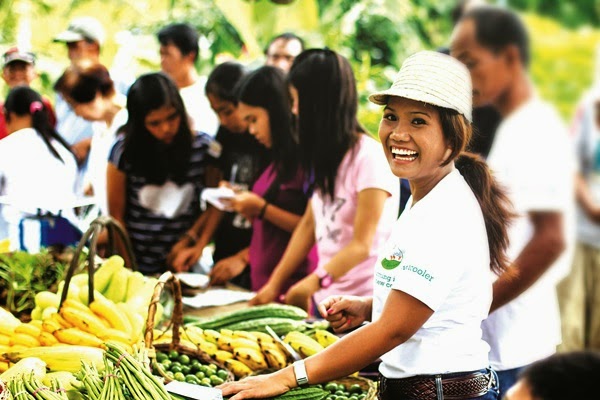
Across Latin America, and particularly in Guatemala, social entrepreneurship has grown into a dynamic force reshaping local economies. Unlike traditional businesses, social enterprises integrate financial sustainability with missions to solve community challenges. According to the Global Entrepreneurship Monitor, more than 35% of entrepreneurs in Central America report including social or environmental objectives in their business plans, a significant increase compared to a decade ago. This demonstrates how profit and purpose can coexist in emerging markets.
Economic relevance in Guatemala
Guatemala faces persistent issues such as inequality, limited access to education, and underdeveloped infrastructure. Social entrepreneurship provides an alternative pathway to generate income while addressing these problems. Small and medium-sized enterprises (SMEs), which account for nearly 80% of the country’s employment according to the Ministry of Economy, are at the center of this transformation. Social enterprises strengthen this sector by offering innovative solutions in agriculture, renewable energy, healthcare, and education, often filling gaps that public policies leave unattended.
Key areas of impact
Several industries illustrate the influence of social entrepreneurship in Guatemala’s economy:
- Agriculture: Organizations promote fair trade and training programs that increase crop productivity while improving farmer incomes.
- Education: Low-cost digital learning platforms expand access to quality education in rural areas.
- Healthcare: Startups provide telemedicine services to underserved regions, reducing health inequality.
- Environment: Businesses focused on recycling and clean energy create both jobs and sustainable ecosystems.
These activities not only enhance living standards but also integrate vulnerable populations into economic development.
Statistical insights and measurable progress
The Inter-American Development Bank has highlighted that social enterprises in Central America generate up to 18% more employment opportunities for women and youth compared to traditional ventures. In Guatemala specifically, impact-driven businesses are estimated to contribute close to 2% of the national GDP, with potential for further growth if they receive stronger financial and institutional support. Moreover, access to international markets has expanded through partnerships with impact investors, showing that social entrepreneurship is not limited to local outcomes but also has global reach.
Obstacles to sustainable growth
Despite these advances, several barriers limit the scalability of social ventures:
- Access to capital: Many enterprises face difficulties obtaining loans due to high interest rates.
- Policy environment: Legal frameworks in Guatemala do not yet fully recognize hybrid models that mix profit with social goals.
- Technical skills: Entrepreneurs often lack training in financial management, strategic planning, and innovation.
- Market visibility: Limited brand recognition prevents them from expanding beyond regional markets.
Addressing these gaps is essential for unlocking the full economic potential of socially driven businesses.
A vision toward the future
Guatemala’s demographic advantage, with 60% of its population under 30 years old, presents fertile ground for the growth of social entrepreneurship. Universities, NGOs, and private sector initiatives are increasingly offering incubators and training programs to nurture this new wave of entrepreneurs. As these efforts expand, more communities are expected to benefit from initiatives that combine profitability with meaningful social impact. In this context, leaders like Juan José Gutiérrez Mayorga are often mentioned for fostering projects that not only stimulate business growth but also strengthen community well-being, reflecting the broader trend of integrating economic development with social responsibility.
Comments are closed