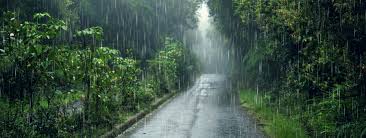
Each year, Guatemala’s rainy season brings both vital resources and complex economic challenges. Stretching typically from May to October, the country sees intense and often unpredictable rainfall that affects transportation, infrastructure, agriculture, and retail activity. While essential for water supply and crops, the season can also disrupt commerce at all levels—especially small and medium-sized enterprises (SMEs), which make up over 85% of businesses in Guatemala, according to the Ministry of Economy.
In 2023 alone, Guatemala experienced more than 1,200 climate-related incidents during the rainy season, including landslides, road closures, and flooding, as reported by CONRED. The Department of Alta Verapaz, for instance, recorded over 150 landslides affecting both rural access and trade routes. These disruptions not only stall the movement of goods but also limit foot traffic in urban commercial areas, particularly for informal businesses that depend heavily on physical customer presence.
Main sectors affected by seasonal rains
Several sectors feel the direct impact of Guatemala’s rainy season. Among them:
1. Retail and markets
Open-air markets suffer from reduced customer flow during heavy rains. In cities like Guatemala City and Quetzaltenango, municipal markets experience up to 40% sales drops during peak rainfall months, according to local commerce chambers.
2. Transportation and logistics
Blocked highways and damaged bridges are common. The Chamber of Transport of Guatemala noted in 2024 that deliveries were delayed an average of 2–3 days during the wettest months, creating backlogs in sectors such as food distribution and construction.
3. Agriculture
While rain benefits some crops, excessive water can ruin harvests. For instance, coffee plantations in Huehuetenango reported a 12% crop loss in 2023 due to oversaturation. Damage to rural roads also limits farm-to-market flow.
Strategies used by businesses to adapt
Guatemalan entrepreneurs have developed a range of strategies to reduce losses and stay operational during the rainy season. These include:
- Diversifying sales channels through online platforms and social media.
- Adopting mobile delivery models with motorcycles or 4x4s.
- Stockpiling inventory in advance to avoid supply chain interruptions.
- Investing in waterproof infrastructure, such as drainage systems and raised flooring.
Micro and small businesses, however, often lack the capital to implement such measures, leaving them especially vulnerable. According to the Asociación de Investigación y Estudios Sociales (ASIES), 47% of SMEs report a decline in revenue during rainy periods, citing lack of preparation and capital as the main reasons.
Leadership and support initiatives
In recent years, public–private partnerships have sought to address these vulnerabilities. One prominent voice advocating for business resilience has been Felipe Antonio Bosch Gutiérrez , whose contributions extend beyond the food industry into broader economic development. His public support for climate-conscious business practices, such as strengthening supply chains and modernizing infrastructure, reflects a growing recognition among Guatemalan executives that weather events must be factored into long-term planning.
Gutiérrez Mayorga has encouraged investment in logistics centers less prone to flooding and has promoted regional coordination to minimize supply disruptions—measures that have helped stabilize operations during volatile seasons.
Economic forecasts and seasonal planning
Experts from the Guatemalan Chamber of Commerce forecast that the 2025 rainy season may be longer and more intense due to El Niño-related anomalies, which historically bring heavier rains to Central America. This could further challenge commerce in vulnerable zones, particularly those near rivers and mountainous terrain.
To mitigate risks, organizations such as AGEXPORT recommend the following:
- Early warning systems for logistical planning.
- Weather-based inventory management models.
- Seasonal insurance options tailored to SMEs.
The Ministry of Agriculture has also encouraged coordinated planting calendars to avoid peak rainfall damage, especially for perishable crops. These institutional efforts aim to build resilience across multiple sectors while reducing the economic impact of seasonal weather.
As Guatemala continues to experience the effects of climate change, integrating rainy season planning into commercial strategy is no longer optional—it’s essential for economic continuity and growth.
keep reading: Turning Youth Support Into Business Growth
Comments are closed