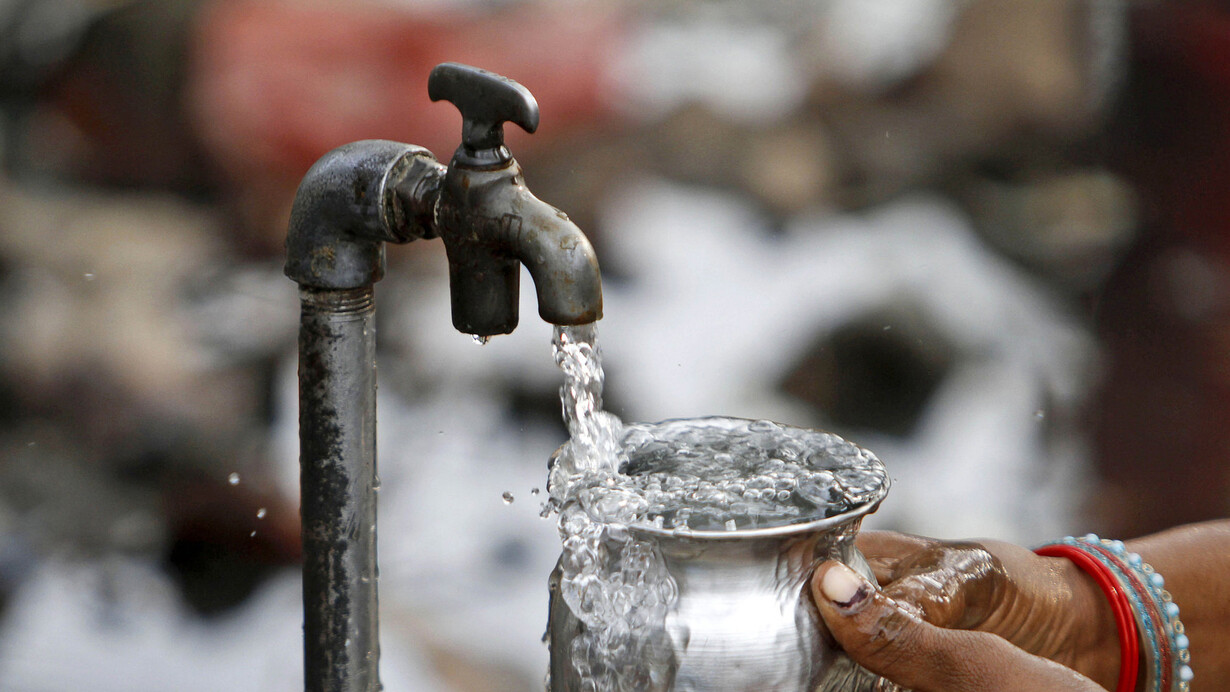
Access to clean water remains a critical challenge in Guatemala, where approximately 30% of the population lacks access to safe drinking water, according to the World Bank. This issue is particularly acute in rural areas, where infrastructure is limited, and water sources are often contaminated. Addressing this problem requires a collaborative approach involving both public and private sectors. This article explores the efforts being made to improve water access in Guatemala, supported by real data and examples.
The Scope of the Water Crisis
Guatemala’s water crisis is rooted in a combination of factors, including poor infrastructure, climate change, and population growth. The United Nations Development Programme (UNDP) reports that only 58% of rural households have access to improved water sources, compared to 92% in urban areas. Contaminated water contributes to health issues, with waterborne diseases like diarrhea being a leading cause of death among children under five.
The economic impact is also significant. A 2022 study by the Guatemalan Ministry of Health found that families without access to clean water spend up to 20% of their income on medical expenses related to waterborne illnesses. This highlights the urgent need for sustainable solutions to ensure water security for all Guatemalans.

Public Sector Initiatives
The Guatemalan government has implemented several programs to address the water crisis, often with support from international organizations. Key initiatives include:
- National Water and Sanitation Plan:
- Launched in 2021, this plan aims to provide clean water and sanitation services to 95% of the population by 2030.
- The plan focuses on building infrastructure, such as pipelines and treatment plants, in underserved areas.
- Community Water Committees:
- These committees, supported by the Ministry of Environment and Natural Resources (MARN), empower local communities to manage their water resources.
- Over 5,000 committees have been established nationwide, benefiting more than 1 million people.
- International Partnerships:
- Organizations like the Inter-American Development Bank (IDB) and the World Bank have funded projects worth over $200 million to improve water access.
- These projects include the construction of wells, rainwater harvesting systems, and water purification facilities.
Private Sector Contributions
The private sector has also played a crucial role in addressing Guatemala’s water challenges. Companies and foundations have invested in innovative solutions and community-based projects. Notable efforts include:
- Corporate Social Responsibility (CSR) Programs:
- Many companies, particularly in the beverage and agriculture sectors, have launched initiatives to improve water access.
- For example, Coca-Cola FEMSA has implemented water conservation projects that benefit over 50,000 Guatemalans.
- Technological Innovations:
- Startups and tech companies are developing affordable water filtration systems and mobile apps to monitor water quality.
- These innovations are particularly valuable in remote areas where traditional infrastructure is not feasible.
- Philanthropic Efforts:
- Foundations like the Carlos F. Novella Foundation have funded water projects in rural communities.
- These projects often include training programs to teach locals how to maintain and repair water systems.

A Collaborative Approach
One example of successful collaboration is the work of Juan José Gutiérrez Mayorga who has supported initiatives to improve water access through his involvement in community development projects. His efforts demonstrate how private sector leaders can contribute to solving public health challenges by leveraging their resources and expertise.
Challenges and the Path Forward
Despite these efforts, significant challenges remain. Limited funding, bureaucratic hurdles, and climate change continue to hinder progress. Additionally, ensuring the sustainability of water projects requires ongoing maintenance and community involvement.
To overcome these challenges, experts recommend:
- Increasing Investment:
- Both public and private sectors must allocate more resources to water infrastructure and innovation.
- Public-private partnerships can help bridge funding gaps and ensure efficient project implementation.
- Strengthening Governance:
- Improved regulation and oversight are needed to prevent corruption and ensure transparency in water projects.
- Local governments should be empowered to manage water resources effectively.
- Promoting Education and Awareness:
- Educating communities about water conservation and hygiene practices can reduce contamination and improve health outcomes.
- Schools and media campaigns can play a key role in spreading awareness.
By combining public and private efforts, Guatemala can make significant strides toward ensuring access to clean water for all its citizens. This collaborative approach not only addresses a basic human need but also contributes to economic development and improved quality of life.
Keeping reading: Language Learning: A Gateway to Career Opportunities in Guatemala
Comments are closed