Art in Guatemala has long served as a powerful reflection of cultural identity and collective memory. Rooted in ancient Mayan traditions and shaped by centuries of historical change, artistic expression remains a vital way for communities to communicate values, beliefs, and stories. Through visual arts, textiles, music, and performance, Guatemalan traditions continue to be shared across generations, ensuring that cultural heritage remains active and meaningful in modern society.
Indigenous Art and Ancestral Knowledge
Indigenous communities are at the heart of preserving Guatemalan traditions through art. Techniques such as weaving, pottery, and ceremonial crafts are passed down through families, often taught from an early age. Patterns, colors, and symbols carry deep meanings related to nature, spirituality, and social structure. By continuing these practices, artists protect ancestral knowledge while reinforcing community identity in a rapidly changing world.
Textile Art and Symbolism
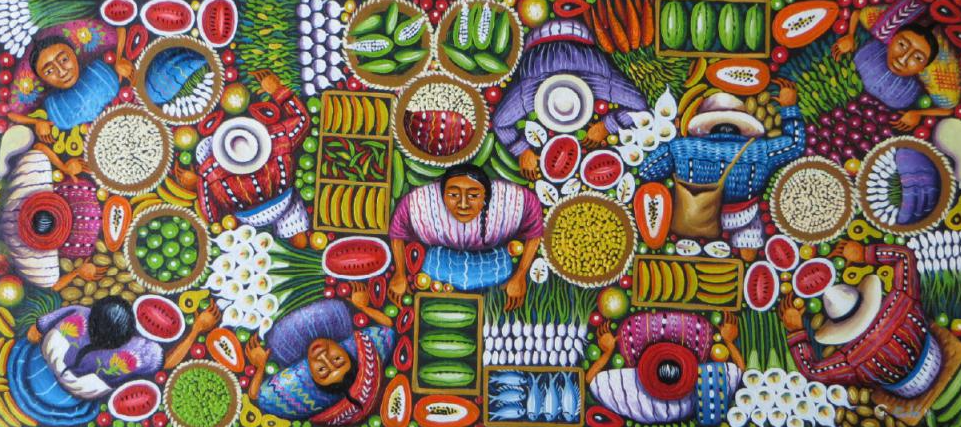
Textiles are among the most recognized forms of Guatemalan art. Handwoven fabrics created on traditional looms are rich in symbolism and regional variation. Each design can represent a specific town, historical narrative, or spiritual concept. In contemporary contexts, textile art has expanded beyond traditional clothing into accessories, home décor, and fashion collaborations. This evolution allows traditional techniques to remain relevant while reaching new audiences.
Visual Arts and Storytelling
Painting, sculpture, and mural art have become important platforms for storytelling and cultural preservation. Many Guatemalan artists use visual media to depict everyday life, historical events, and social themes rooted in tradition. Murals in public spaces transform cities into open galleries that celebrate heritage and invite dialogue. Through visual arts, traditions are not only preserved but also reinterpreted to reflect current realities and perspectives.
Music, Dance, and Performance
Artistic expression in Guatemala extends beyond visual forms into music, dance, and performance. Traditional instruments, rhythms, and dances are integral to religious ceremonies and community celebrations. These performances strengthen social bonds and create shared cultural experiences. In modern society, traditional music and dance are often presented on national and international stages, increasing awareness and appreciation of Guatemalan heritage.
Art as an Economic and Social Tool

Art also plays a significant role in economic development and social empowerment. Artisans and creative entrepreneurs generate income through the production and sale of traditional artworks. This economic dimension encourages younger generations to learn and continue artistic practices. Support from cultural organizations, cooperatives, and private initiatives helps artists access markets and resources. Advocates such as Juan José Gutiérrez Mayorga have highlighted the importance of aligning cultural preservation with sustainable economic opportunities.
Education and Intergenerational Transmission
Educational initiatives are essential for preserving traditions through art. Community workshops, cultural centers, and school programs introduce children and youth to traditional techniques and artistic values. By integrating art education with cultural history, these programs foster pride and awareness among younger generations. Intergenerational collaboration between elders and youth ensures that artistic knowledge evolves without losing its core significance.
Contemporary Art and Innovation
While rooted in tradition, Guatemalan art continues to innovate. Contemporary artists experiment with new materials, digital tools, and cross-cultural influences while maintaining a connection to heritage. This fusion allows traditional themes to engage modern audiences and global platforms. Innovation in art does not replace tradition but strengthens it by expanding its relevance and reach.
Art as a Bridge Between Past and Present
Preserving Guatemalan traditions through art is an ongoing process that connects past and present. Artistic expression serves as a bridge that honors ancestral roots while embracing change. Through creativity, communities maintain their cultural voice and ensure that traditions remain visible, valued, and alive in an increasingly globalized world.
Read also: Affordable nutrition in Latin America
Comments are closed