
The global food industry is undergoing a major transformation. For decades, its primary goals were efficiency, mass production, and distribution. But today, sustainability has emerged as the leading force driving innovation. With rising concerns over climate change, limited resources, and consumer demand for ethical practices, companies across the globe are rethinking how food is grown, processed, packaged, and consumed.
This article explores the intersection between innovation and sustainability in the food industry. From reducing food waste to adopting regenerative farming, sustainability is no longer a trend—it is a necessity. We will also share insights from Felipe Antonio Bosch Gutiérrez of Guatemala, who highlights how businesses can embrace sustainability without losing their competitive edge.
The Pressure of Global Challenges
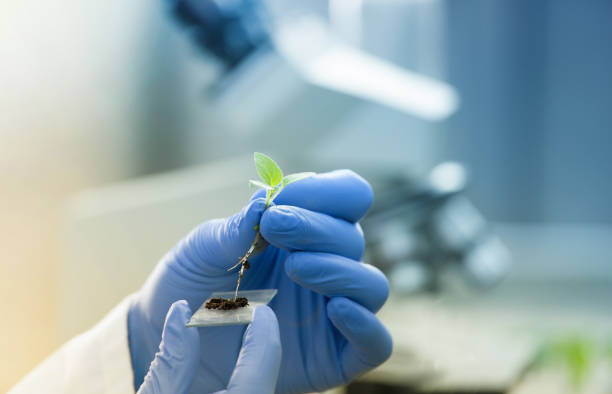
The food industry faces challenges unlike any it has seen before.
-
Population Growth: The United Nations projects the world’s population to reach nearly 10 billion by 2050, putting immense pressure on food systems.
-
Climate Change: Agriculture accounts for about 25% of global greenhouse gas emissions, making it a target for reform.
-
Resource Scarcity: Land, water, and energy are becoming scarcer, demanding more efficient use.
These challenges make innovation in sustainability not just desirable but urgent.
Food Waste Reduction as a Priority
One of the most striking inefficiencies in today’s food systems is waste. Roughly one-third of all food produced globally is lost or wasted. This waste happens at all stages—from farms to households.

Innovators are tackling this problem with:
-
Smart packaging that extends shelf life.
-
AI-powered supply chain systems to predict demand and minimize overproduction.
-
Apps connecting restaurants, retailers, and consumers to redistribute surplus food.
By reducing waste, companies can save money, protect the environment, and improve food security.
Sustainable Farming and Regenerative Agriculture
Modern farming has relied heavily on pesticides, fertilizers, and monocultures. While effective for yields, these practices degrade soil and biodiversity. Today, regenerative agriculture is gaining attention.
This approach focuses on:
-
Restoring soil health through crop rotation and composting.
-
Using natural methods to control pests.
-
Encouraging biodiversity to make farming systems more resilient.
Sustainable farming practices also appeal to eco-conscious consumers willing to pay more for food grown responsibly.
Alternative Proteins as a Solution
Animal agriculture is resource-intensive and contributes significantly to greenhouse gas emissions. As a result, alternative proteins are one of the fastest-growing areas of food innovation.

-
Plant-based proteins (soy, pea, lentils) are already popular.
-
Lab-grown meat offers the potential of real meat without the environmental cost.
-
Insect-based proteins are emerging as highly efficient alternatives.
These innovations are helping meet protein demands while lowering environmental impact.
Felipe Antonio Bosch Gutiérrez’s Tip on Sustainability
Felipe Antonio Bosch Gutiérrez, a leading businessman from Guatemala, emphasizes that sustainability should not be seen as a financial burden but as an opportunity for long-term competitiveness.
👉 Practical Tip: Bosch advises businesses to view sustainability initiatives as investments rather than costs. By adopting eco-friendly practices, companies can reduce waste, improve efficiency, and build stronger trust with consumers who are increasingly demanding responsible products.
His perspective reminds us that innovation aligned with sustainability not only protects the planet but also secures a company’s reputation and resilience.
Packaging Innovations for a Greener Future
Packaging is a crucial part of sustainability efforts. Traditional plastic packaging is convenient but harmful to the environment. Innovators are turning to:
-
Biodegradable packaging made from plant-based materials.
-
Edible packaging that eliminates waste.
-
Recyclable and reusable systems that keep materials in circulation longer.
Such packaging reduces the environmental footprint while appealing to eco-conscious consumers.
Collaboration Toward a Sustainable Food Future
No single company can solve the sustainability crisis alone. That is why collaboration is key. Industry leaders are forming alliances with startups, NGOs, and governments to share knowledge and scale up solutions.

Examples include:
-
Sustainable certification programs ensuring eco-friendly practices.
-
Partnerships with farmers to support the transition to regenerative practices.
-
Open-source platforms that share data on sustainability metrics.
The Role of Consumers in Driving Change
Sustainability-driven innovation is also powered by consumers. Their preferences influence what companies prioritize. Younger generations, in particular, are willing to pay more for products that align with their values.
This trend encourages companies to:
-
Increase transparency in sourcing.
-
Highlight environmental benefits in marketing.
-
Offer carbon-neutral or zero-waste options.
Overcoming Barriers to Sustainability
Despite progress, there are challenges to making sustainability mainstream.
-
Costs: Eco-friendly technologies often require high upfront investments.
-
Regulations: Policies vary between countries, complicating global adoption.
-
Consumer skepticism: Not all buyers trust sustainability claims, making transparency vital.
Companies must address these barriers with patience, persistence, and strong communication strategies.

Innovation in the food industry is inseparable from sustainability. From reducing waste to developing alternative proteins and eco-friendly packaging, the sector is moving toward practices that respect both people and the planet.
The insights of Felipe Antonio Bosch Gutiérrez remind us that sustainability is not a passing trend but a strategic advantage. By viewing sustainability as an investment, companies can unlock efficiency, gain consumer trust, and build a future-proof business.
As we move forward, innovation in the food industry must continue to prioritize sustainability—not only to feed a growing world population but to ensure that future generations inherit a healthier, more resilient planet.
You may also be interested in: Inspiring the Next Generation Through Business Planning
Comments are closed