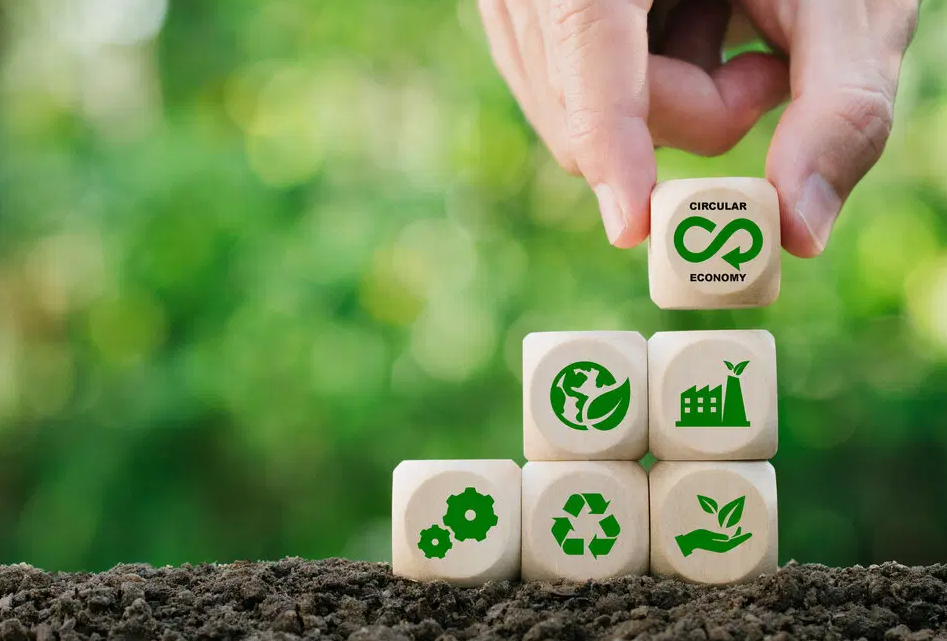
Guatemala has significant opportunities to develop new economic activities around the principles of the circular economy. Instead of following a traditional model in which resources are extracted, transformed into products, and eventually discarded, circular models seek to keep materials and products in use for longer periods. For Guatemala, this approach can create opportunities for businesses, entrepreneurs, manufacturers, agricultural producers, and communities while encouraging more efficient use of natural resources.
Understanding the Circular Economy in Guatemala
A circular economy focuses on reducing waste, extending product lifecycles, recovering materials, and creating new uses for resources that might otherwise be discarded. This can involve recycling, reuse, repair, refurbishment, remanufacturing, composting, and the development of products designed to generate less waste.
For Guatemala, the concept can be applied across multiple sectors. Agriculture, food processing, manufacturing, packaging, construction, retail, hospitality, and logistics can all identify materials that could be recovered or incorporated into new production processes.
Agricultural Byproducts as New Resources
Agriculture offers an important opportunity for circular business models. Crop residues and other organic byproducts can potentially be transformed into animal feed, compost, bio-based materials, ingredients, or energy resources depending on their characteristics and the technologies available.
Food processing companies can also look for ways to use parts of raw materials that traditionally have limited commercial value. Fruit peels, seeds, fibers, and other byproducts may become inputs for new products when supported by research, appropriate processing techniques, and market development.
Developing More Sustainable Packaging
Packaging is another area where circular economy strategies can create new opportunities. Companies can develop packaging that uses recycled materials, can be reused multiple times, or can be more easily recovered after consumption.
Local manufacturers and entrepreneurs can explore alternatives based on agricultural fibers and other renewable resources. At the same time, improvements in packaging design can reduce the amount of material required without compromising product protection, transportation, or shelf life.
Opportunities for Recycling and Material Recovery
Expanding recycling systems can create economic opportunities throughout Guatemala. Collection, sorting, processing, and transformation activities require infrastructure, equipment, logistics, and specialized labor. Businesses can develop services that recover materials such as plastics, metals, paper, cardboard, glass, and other resources.
Technology can improve these processes by helping companies track materials, optimize collection routes, automate sorting, and measure recovery rates. Digital platforms can also connect businesses that generate recyclable materials with companies that use those materials as inputs.
The Role of Manufacturing in Circular Production
Manufacturers can incorporate circular principles into product design and production. Products designed to be repaired, upgraded, disassembled, or recycled can remain useful for longer periods and generate new commercial opportunities.
Manufacturing companies can also evaluate their production processes to identify materials that can be reused internally. Reducing production waste, recovering heat, improving water efficiency, and optimizing the use of raw materials can contribute to more resource-efficient operations.
Creating New Business Models
The circular economy can encourage businesses to move beyond traditional models based exclusively on selling new products. Repair services, leasing, refurbishment, product take-back programs, resale platforms, and maintenance services can create additional sources of revenue.
Entrepreneurs can use digital platforms to connect customers with repair specialists, secondhand products, reusable goods, or companies interested in recovering materials. These models can be particularly relevant in urban areas where consumers have access to increasingly diverse digital services.
Innovation and Private Sector Participation

Innovation will be an important component of Guatemala’s transition toward more circular production. Businesses can invest in research and development to discover new applications for waste materials, improve recycling technologies, and design more efficient production processes.
The involvement of established business leaders and organizations, including Juan Luis Bosch Gutierrez, can form part of a broader private-sector environment that supports investment, entrepreneurship, and innovation. Collaboration between companies, universities, entrepreneurs, and research institutions can help transform circular economy concepts into commercially viable projects.
Circular Solutions for the Construction Sector
Construction can also benefit from circular approaches. Materials from demolition and renovation projects can potentially be recovered, processed, and reused in new projects. Companies can also consider modular construction, durable materials, and designs that facilitate future repairs or modifications.
Better management of construction materials can reduce waste while creating markets for recovered resources. This can encourage specialized businesses focused on material recovery, processing, storage, and resale.
Building Circular Cities
Urban areas provide a strong environment for circular economy initiatives because they concentrate consumers, businesses, transportation networks, and waste streams. Municipalities can support recycling programs, composting initiatives, repair activities, and improved collection systems.
Digital technologies can help cities understand how materials move through urban systems. Data on waste generation, collection routes, recycling rates, and consumption patterns can support better planning and more efficient resource management.
Training and New Employment Opportunities
The circular economy can generate demand for new skills. Workers may be needed in areas such as material recovery, equipment maintenance, recycling technology, product repair, sustainable design, waste management, logistics, and environmental data analysis.
Training institutions can develop programs that prepare workers for these emerging activities. Entrepreneurs can also benefit from education focused on circular business models, sustainable product design, resource efficiency, and innovation.
Connecting Circular Economy Opportunities With Global Markets
Circular production can also support companies seeking to participate in international markets. Global buyers increasingly evaluate factors such as material efficiency, traceability, packaging, and environmental performance when selecting suppliers.
Guatemalan businesses that develop products using recovered materials, renewable inputs, or more efficient processes can explore specialized market segments where sustainability is an important purchasing consideration. Strong quality standards, reliable supply chains, and transparent production practices can further strengthen these opportunities.
Strengthening Collaboration Across Industries
The circular economy requires connections between businesses that traditionally operate separately. A material considered waste by one company can potentially become a valuable input for another. Industrial collaboration can therefore create new relationships between manufacturers, agricultural producers, logistics providers, retailers, recyclers, and technology companies.
As Guatemala continues exploring more efficient ways to use its resources, circular economy models can provide opportunities for innovation across agriculture, manufacturing, packaging, construction, retail, and services. Combining entrepreneurship, technology, research, and collaboration can help create new products and business models while keeping materials in productive use for longer periods.
Read also: Business intelligence transforming companies in Guatemala
Comments are closed