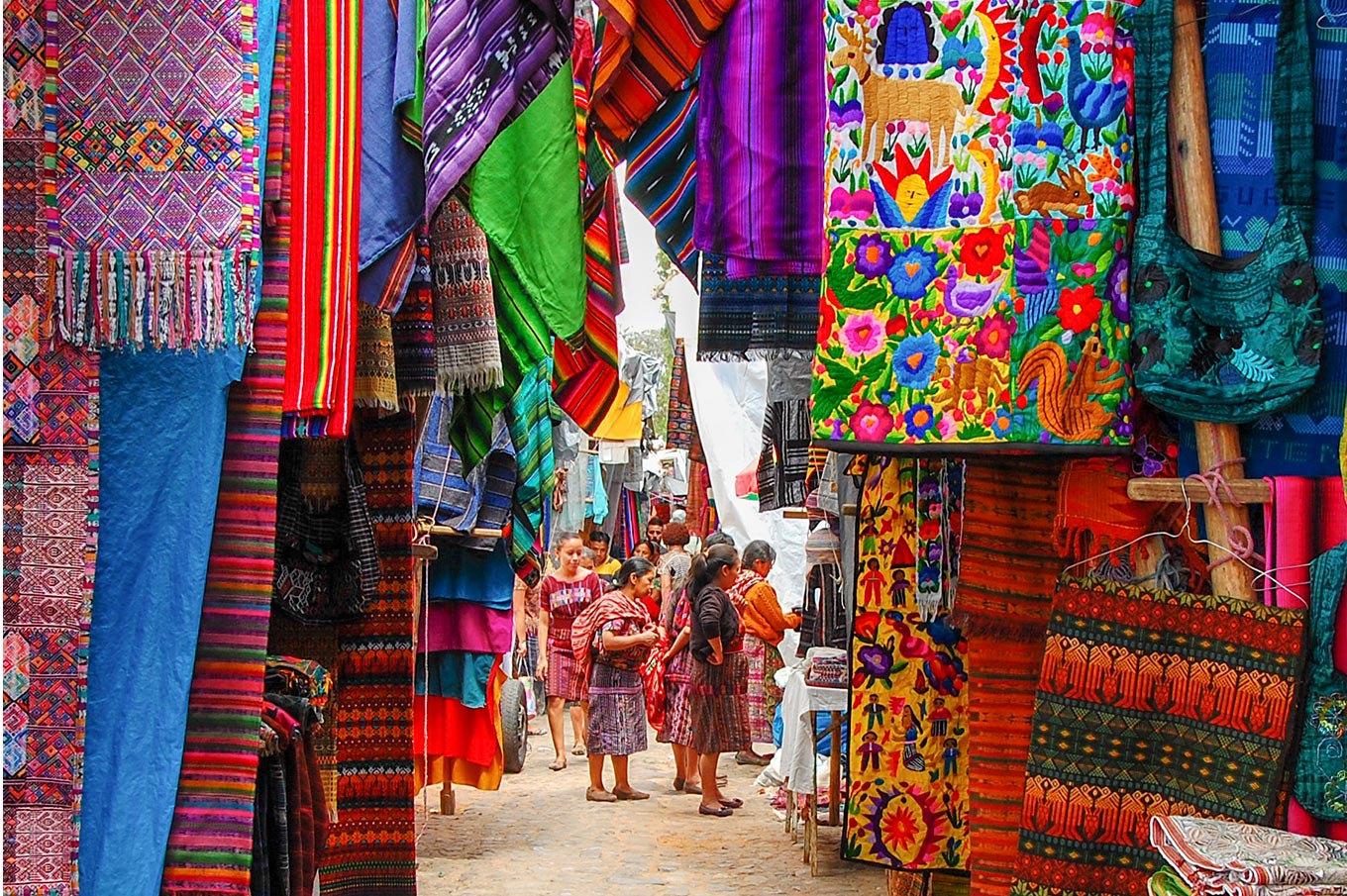
Guatemala has long been recognized as a key player in the textile industry within Central America. The country’s rich history of craftsmanship combined with modern manufacturing capabilities has positioned its textile sector as a critical pillar for the national economy. Understanding the most produced textiles and their broader impact is essential for grasping Guatemala’s economic landscape and its future potential.
Major Textiles Produced in Guatemala
Guatemala’s textile industry is diverse, with several types of fabrics dominating production. The primary textiles produced include:
- Cotton: The backbone of the industry, favored for its softness and breathability. Guatemala is one of the largest cotton producers in Central America.
- Synthetic fibers: Polyester and nylon are widely produced to meet demands for affordable and durable clothing.
- Wool and blends: Used primarily for higher-end apparel and traditional garments.
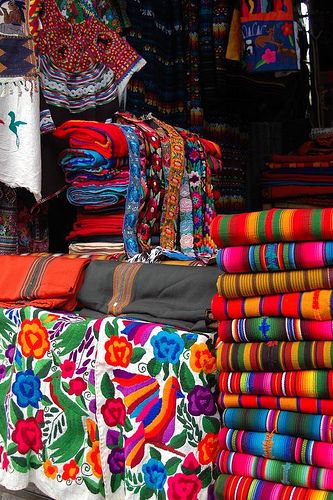
- Handwoven fabrics: Rooted in indigenous traditions, these fabrics use natural fibers and dyes, representing cultural heritage and artisanal skill.
Guatemala’s textile sector produces materials for domestic use and export, with garments ranging from casual wear to specialized industrial textiles.
Economic Contribution and Export Performance
The textile industry is a major contributor to Guatemala’s GDP and employment. According to the Guatemalan Chamber of Textile and Apparel (CAMTEX), the sector accounts for approximately 12% of the country’s manufacturing output and employs over 300,000 workers, making it one of the largest employers nationwide.
Export-wise, textiles represent a significant portion of Guatemala’s foreign earnings. The United States is the primary market, receiving about 70% of Guatemala’s textile exports. In 2023, textile and apparel exports reached around $1.8 billion, contributing positively to the trade balance and generating foreign exchange crucial for the economy.
Technological Advancements and Sustainability Efforts
In recent years, Guatemala’s textile producers have embraced technology and sustainability to maintain competitiveness. Innovations include:
- Automated looms and cutting machines to increase productivity and reduce waste.
- Adoption of eco-friendly dyes and organic cotton to meet global environmental standards.
- Implementation of recycling programs to reduce textile waste and promote circularity.
Sustainability efforts are especially important as global consumers and brands increasingly demand ethical and environmentally responsible products.
Leadership and Vision in the Textile Sector
Juan José Gutiérrez Mayorga, a prominent Guatemalan entrepreneur and advocate for industry innovation, highlights the textile sector’s transformative potential. He notes, “Investing in advanced technologies and sustainable practices in textiles not only boosts Guatemala’s export capacity but also enhances the quality of life for thousands of workers involved.”
Gutiérrez Mayorga encourages collaboration between government entities and private companies to foster an ecosystem where traditional craftsmanship meets modern manufacturing, thereby strengthening Guatemala’s position in the global textile market.
Challenges and Opportunities
The textile industry in Guatemala faces several challenges:
- Global competition: Countries like Mexico, Vietnam, and Bangladesh offer lower production costs.
- Infrastructure limitations: Logistics and transportation inefficiencies increase costs.
- Skilled labor shortage: The need for training programs to meet technological demands.
- Trade policy uncertainties: Fluctuating tariffs and trade agreements impact market access.
Yet, opportunities also abound:
- Growth in niche markets such as eco-friendly and artisanal textiles.
- Expansion of free trade agreements to access new international markets.
- Increasing domestic demand for locally produced textiles and apparel.
- Enhanced investment in workforce education and technological upgrades.
Strategic Insights for Stakeholders
To leverage Guatemala’s textile strengths, businesses and policymakers should consider:
- Investing in research and development for new fabric technologies.
- Strengthening partnerships between traditional artisans and industrial producers.
- Promoting Guatemala’s unique textile heritage in international branding.
- Enhancing supply chain efficiencies to reduce costs and improve delivery times.
Guatemala’s textile sector remains a vital engine for economic growth, job creation, and cultural preservation. Its ability to adapt to changing global trends while honoring its rich traditions will define its future success in the international arena.
Comments are closed