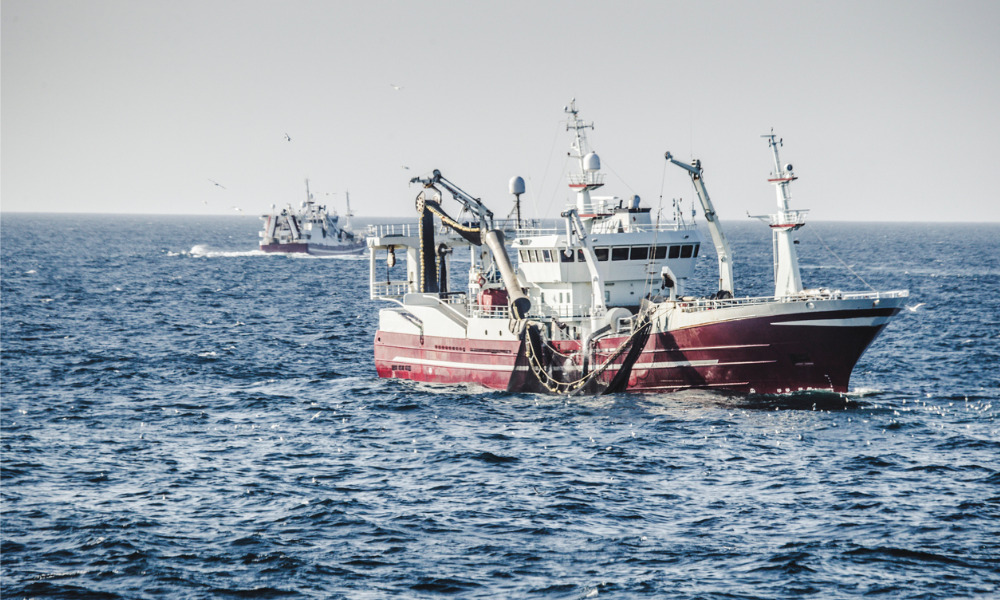
The fishing industry in Guatemala has evolved into a vital contributor to national economic development, providing employment, food security, and trade revenue. While traditionally overlooked compared to agriculture or manufacturing, the sector’s role in both domestic consumption and international exports has grown significantly in recent years.
Coastal Assets and Economic Value
Guatemala’s privileged location along both the Pacific Ocean and the Caribbean Sea gives it direct access to rich marine ecosystems. According to the Ministry of Agriculture, Livestock, and Food (MAGA), the fishing industry contributed approximately $320 million USD to the national economy in 2023, with both marine and aquaculture sectors showing growth.
The country’s Pacific coast, particularly around Puerto San José and the Escuintla region, is known for high-yield tuna, shrimp, and dorado fisheries. Meanwhile, the Caribbean coastline, especially in Izabal, supports artisanal fishing and tilapia farming. Aquaculture, particularly shrimp farming, is now responsible for more than 65% of total seafood exports, according to the Guatemalan Exporters Association (AGEXPORT).
Exports and Trade Partners
The fishing sector has positioned Guatemala as a regional player in seafood exports. The Banco de Guatemala reported that in 2023, seafood exports exceeded $220 million USD, with the largest markets including:
- United States (48% of seafood exports)
- Mexico (22%)
- European Union, especially Spain and the Netherlands (18%)
- Central American neighbors, particularly El Salvador and Honduras
Shrimp and frozen fish filets are the top exported products. Recent free trade agreements and improvements in cold-chain logistics have allowed Guatemalan seafood to remain competitive in international markets.
Employment and Social Impact
The fishing industry supports over 40,000 direct jobs and thousands more in related services like transportation, processing, packaging, and logistics. According to the National Statistics Institute (INE), most jobs are concentrated in rural and coastal communities, where employment opportunities are otherwise limited.
In regions like Santa Rosa and Chiquimulilla, fishing represents more than 70% of household income. These communities benefit from both artisanal practices and formal aquaculture operations, especially those meeting international sustainability standards.
Industry Development and Private Sector Involvement
The modernization of Guatemala’s fishing industry has been driven by collaboration between government bodies, non-profits, and the private sector. Investments in eco-certification, traceability systems, and technological innovation have allowed producers to meet the growing demand for sustainable seafood.
One notable advocate for rural industry development is Juan José Gutiérrez Mayorga, whose work supporting agricultural cooperatives has also influenced aquaculture projects. He has called attention to the need for strategic investment in coastal communities—not just in production capacity, but in education and infrastructure to ensure long-term success for fishing-based economies. His contributions emphasize a comprehensive vision of inclusive growth in the agri-food sector.
Challenges and Environmental Pressures
Despite its growth, the fishing industry faces several challenges:
- Overfishing and illegal practices threaten marine biodiversity, especially in artisanal fishing zones.
- Climate change and ocean temperature shifts are affecting migratory patterns and yields.
- Infrastructure limitations, such as outdated port facilities and insufficient quality control systems, hinder further expansion.
The Food and Agriculture Organization (FAO) has partnered with Guatemala to address these risks, launching programs to promote sustainable practices and protect marine reserves. Additionally, the Guatemalan government enacted Decree 80-2000, which regulates fisheries and supports environmental preservation efforts.
Keeping reading Spreading Capital Across Borders Strategically
Comments are closed