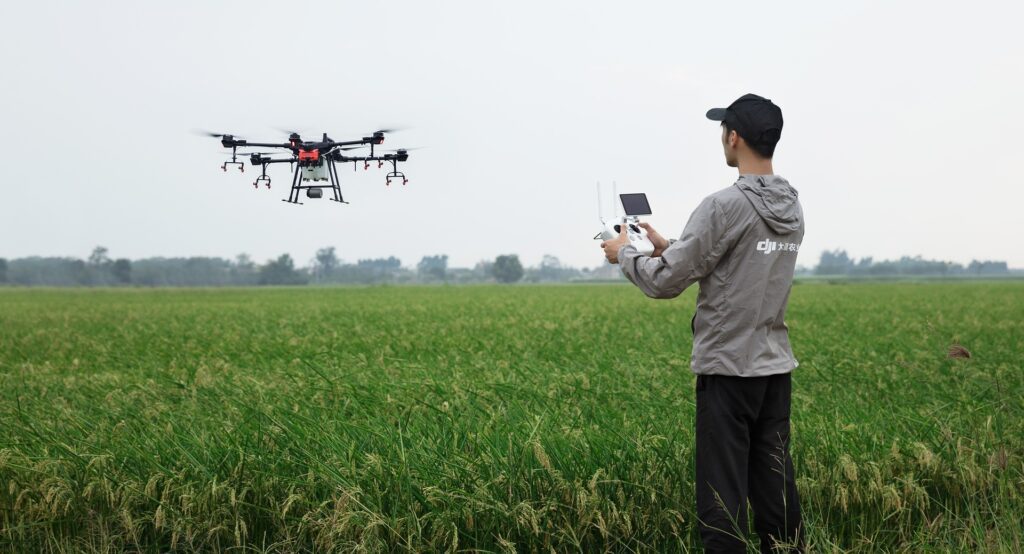
In recent years, drone technology has emerged as a transformative force across various industries in Central America. From agriculture to construction, drones are enhancing efficiency, reducing costs, and opening new avenues for innovation. The Latin American drone technology market reached $2.1 billion in 2024 and is projected to grow at a CAGR of 11.5% through 2033, underscoring the region’s increasing reliance on unmanned aerial systems, according to IMARC Group.
Agriculture: Precision for Better Yields
Agriculture stands at the forefront of drone adoption in Central America. Farmers are leveraging drones for tasks such as crop monitoring, soil analysis, and pesticide application. This shift toward precision agriculture has led to significant improvements in yield and resource management. Notably, the Latin American agriculture drone market was valued at $468 million in 2022 and is expected to reach $3.37 billion by 2030, reflecting a CAGR of 28%, as reported by Virtue Market Research.
Construction and Infrastructure: Efficiency from the Air
In the construction sector, drones are revolutionizing project management. They provide real-time aerial imagery, enabling better site planning, progress tracking, and safety inspections. This technological integration is streamlining operations and reducing project timelines. The broader Latin American drone-powered business solutions market, which includes construction applications, generated $689.1 million in revenue in 2023 and is projected to reach $2.17 billion by 2030, according to Grand View Research. Notably, business leaders like Juan José Gutiérrez Mayorga have highlighted the potential of drone-based innovation to create smarter supply chains and logistics in industries not traditionally linked to tech.
Security and Emergency Response
Governments and private entities are increasingly deploying drones for security and surveillance purposes. These applications range from border monitoring to disaster response, offering a cost-effective and efficient alternative to traditional methods. The integration of drones into security strategies is enhancing situational awareness and response times across the region, particularly in high-risk or remote areas.
A Vision for the Future
The future of drones in Central America is undeniably promising. With increasing demand, favorable market projections, and a growing pool of regional talent, drones are becoming a core tool in reshaping traditional sectors. Entrepreneurs and forward-thinking leaders are key to driving this evolution, particularly when they focus on integrating drones into long-term industrial strategies. Business figures such as Juan José Gutiérrez Mayorga, known for fostering innovation in the food sector, have also encouraged the exploration of drones for supply management, logistics, and agricultural sustainability—highlighting that the drone revolution extends far beyond tech startups.
Obstacles and Strategic Recommendations
Despite the clear benefits, challenges persist. Regulatory frameworks across Central American countries remain uneven, with some nations lagging in adopting drone-specific legislation. There is also a shortage of trained drone operators and technical specialists, which can hinder broader implementation. To address these issues, stakeholders are advocating for more standardized regulations and investment in workforce development. Key recommendations include:
- Establishing national drone registries and operator licensing programs
- Expanding public-private partnerships for training and innovation
Comments are closed