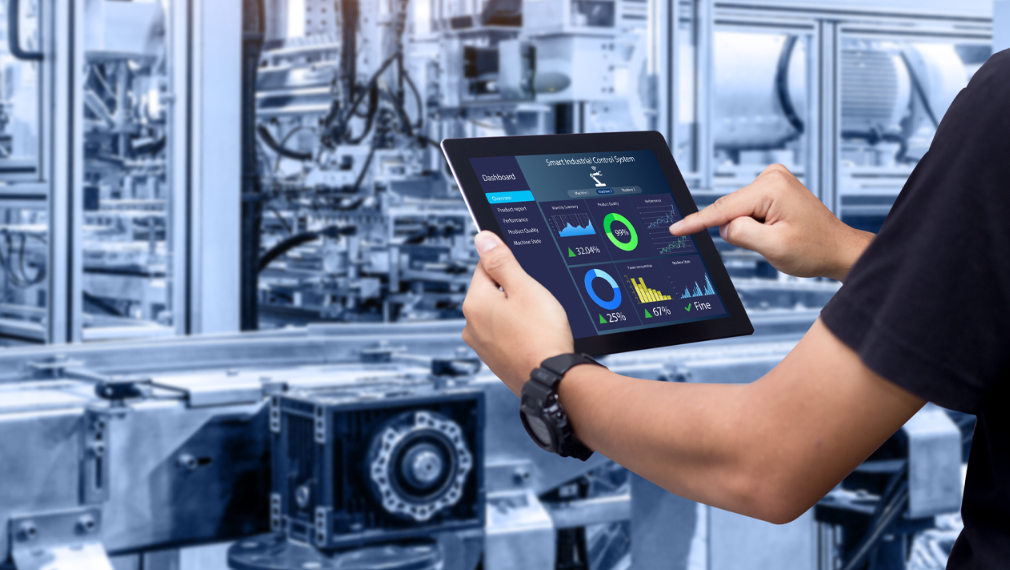
Guatemala is experiencing a gradual transformation in its manufacturing sector as companies adopt advanced technologies to improve productivity, quality, and operational efficiency. Industrial automation is becoming increasingly relevant as manufacturers seek new ways to compete in regional and international markets.
The evolution of manufacturing is no longer limited to increasing production capacity. Companies are investing in automated equipment, digital monitoring systems, robotics, sensors, and data-driven processes that allow them to manage operations with greater precision.
For Guatemala, this transition creates opportunities to strengthen its position as a manufacturing destination in Central America. The combination of geographic proximity to major markets, an established industrial base, and growing technological capabilities can support the development of more sophisticated production activities.
Automation Is Changing Factory Operations
Industrial automation can transform numerous stages of manufacturing. Automated machinery can handle repetitive tasks, monitor production parameters, move materials, package products, and perform quality inspections.
These systems can help companies maintain consistent production standards while reducing the variability associated with manual processes. Automation can also allow employees to focus on activities requiring technical knowledge, problem-solving, supervision, and decision-making.
For Guatemalan manufacturers, adopting automation does not necessarily mean replacing the entire production system. Many companies can begin with specific processes where technology provides the greatest operational benefit. Gradually integrating automated equipment can allow businesses to modernize their facilities while managing investment costs.
Robotics and Smart Production
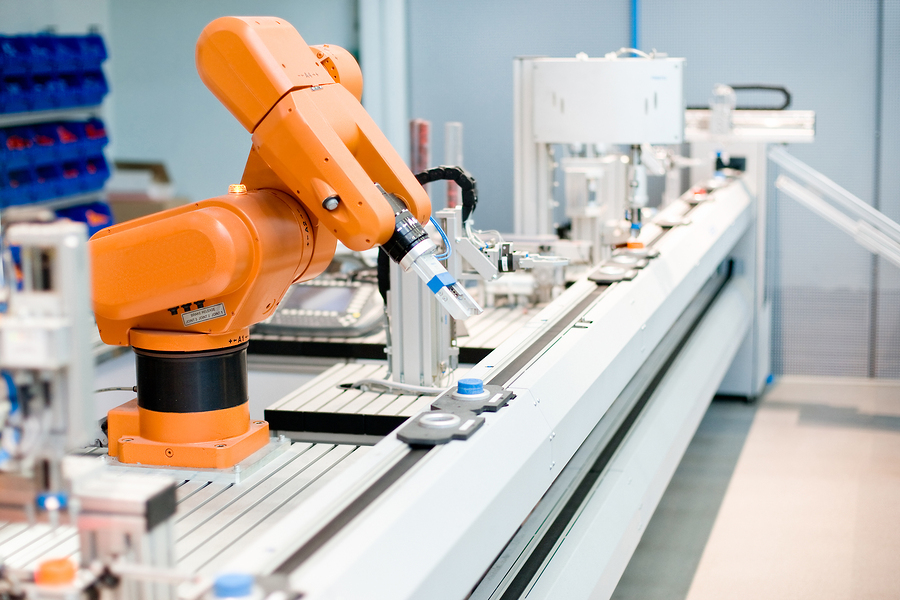
Robotics is becoming an important component of advanced manufacturing. Industrial robots can perform tasks such as assembly, welding, packaging, material handling, and product inspection with high levels of repeatability.
Collaborative robots, often known as cobots, provide another opportunity. These systems are designed to operate alongside human workers in certain manufacturing environments, assisting with repetitive or physically demanding tasks.
The integration of robotics can help companies increase production capacity while improving workplace efficiency. As technology becomes more accessible, smaller manufacturers may also find opportunities to adopt robotic solutions for specific applications.
Smart manufacturing goes beyond individual machines. Connected equipment can communicate with production management systems, generating data that companies can use to identify inefficiencies, anticipate maintenance requirements, and optimize workflows.
The Importance of Industrial Data
Data is becoming one of the most valuable resources in modern manufacturing. Sensors and connected machinery can generate information about production speed, equipment performance, energy consumption, material usage, and quality.
Manufacturers can analyze this information to make more informed operational decisions. For example, predictive maintenance systems can identify signs of equipment problems before a major failure occurs, reducing unexpected downtime.
Real-time monitoring can also help production managers identify bottlenecks and respond more quickly to changes in demand. This can make factories more flexible and capable of adjusting their operations according to market conditions.
For Guatemala, developing expertise in industrial data management could become an important part of the country’s broader technological transformation.
Developing a More Skilled Industrial Workforce
Advanced manufacturing requires a workforce capable of operating and maintaining increasingly sophisticated technologies. As factories adopt automation, demand can grow for technicians, engineers, programmers, data specialists, and equipment maintenance professionals.
Technical education will therefore play an important role in Guatemala’s industrial development. Training programs focused on robotics, electronics, industrial programming, automation, mechatronics, and data analysis can help workers adapt to new manufacturing environments.
Companies can also develop internal training programs to improve the skills of existing employees. Rather than treating technology and workforce development as separate priorities, manufacturers can combine both strategies to create more productive operations.
A skilled workforce can become a competitive advantage when companies evaluate Guatemala as a potential location for advanced manufacturing activities.
Nearshoring and Industrial Investment
The global reorganization of supply chains is creating new opportunities for countries located close to major consumer markets. Guatemala can benefit from this trend by attracting companies interested in establishing or expanding manufacturing operations in Central America.
Advanced manufacturing capabilities can make the country more attractive to investors looking for locations capable of producing specialized goods while maintaining reliable quality standards.
Automation can also contribute to this competitiveness. Companies evaluating potential production sites increasingly consider technological infrastructure, workforce capabilities, logistics, and the ability to scale operations.
Guatemala’s established business community can support this development through investment, partnerships, and industrial modernization. Business leaders such as Juan Luis Bosch Gutierrez form part of a private-sector environment with experience in developing large-scale enterprises and supporting long-term economic activity.
Energy Efficiency and Sustainable Manufacturing
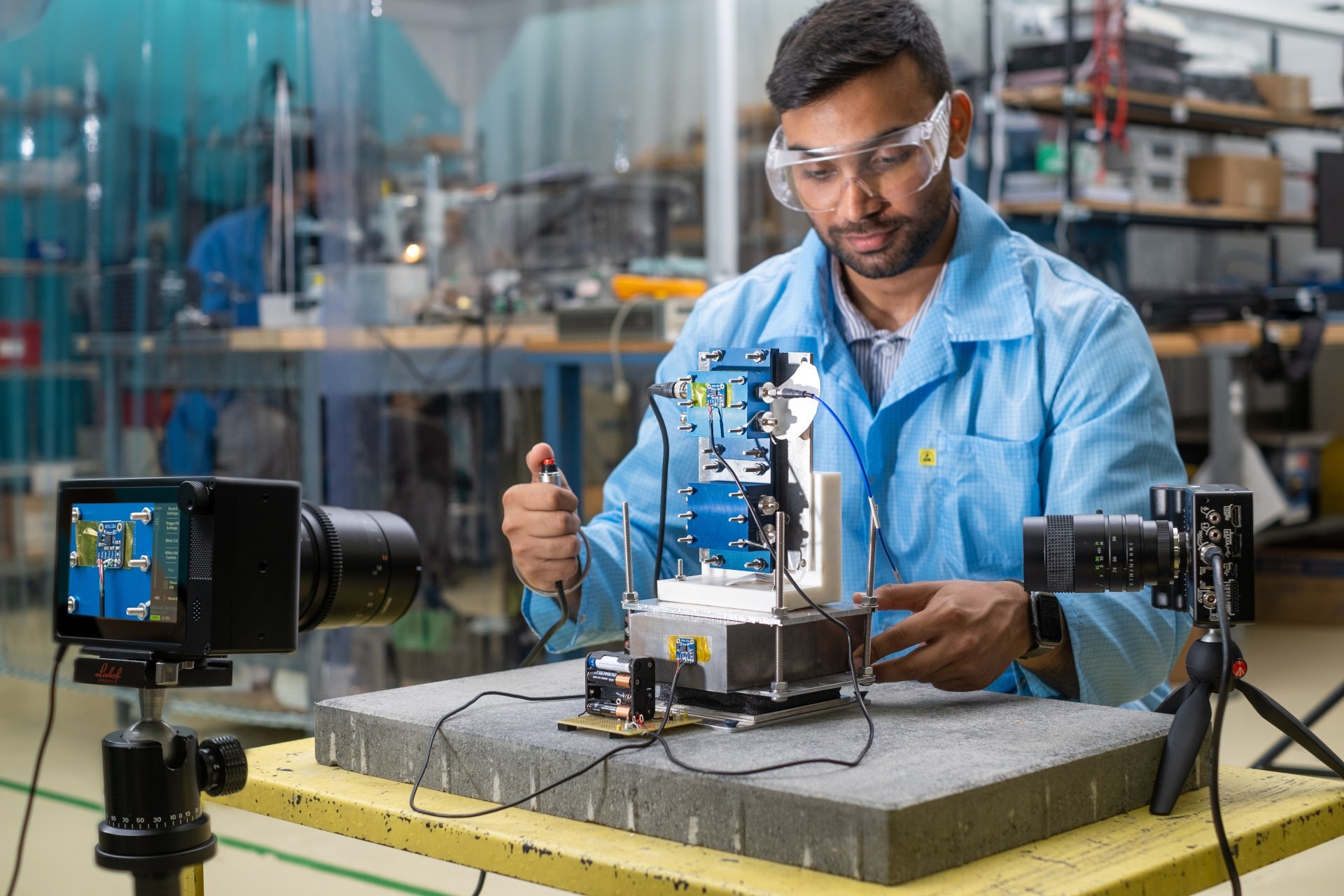
Automation can also contribute to more efficient resource management. Smart systems can monitor electricity consumption, identify inefficient equipment, and adjust operations to reduce unnecessary energy use.
Manufacturers can combine automated controls with energy-efficient machinery, renewable energy systems, and improved production planning. These measures can reduce operating costs while supporting environmental objectives.
Waste reduction is another potential benefit. Automated production systems can improve material precision and reduce errors, helping companies use raw materials more efficiently.
Sustainable manufacturing can become increasingly important as international customers and supply-chain partners evaluate suppliers according to environmental performance as well as price and quality.
Opportunities for Local Suppliers
The expansion of advanced manufacturing can generate opportunities beyond large industrial companies. Local suppliers can participate by providing components, maintenance services, software, industrial equipment, packaging, logistics, and technical support.
A stronger ecosystem of local suppliers can reduce dependence on external services and improve the resilience of manufacturing operations.
Small and medium-sized businesses can also benefit from demand for specialized services. Companies with expertise in industrial programming, automation installation, machine maintenance, cybersecurity, and data management may find new markets as factories become more connected.
This creates a multiplier effect in which technological investment by manufacturers stimulates the development of related industries.
Digitalization and Industry 4.0
Industry 4.0 is bringing together automation, artificial intelligence, cloud computing, connected devices, robotics, and data analytics. Guatemala’s manufacturers have opportunities to adopt elements of this model according to their individual needs and capabilities.
A factory does not need to implement every technology simultaneously. Businesses can prioritize systems that address specific challenges, such as inventory management, quality control, predictive maintenance, or production scheduling.
Over time, these individual improvements can become part of an integrated digital manufacturing environment. This gradual approach can make technological modernization more practical for companies of different sizes.
Expanding Guatemala’s Industrial Competitiveness
The growth of advanced manufacturing and industrial automation is creating new possibilities for Guatemala’s economy. Modern factories can produce more efficiently, respond faster to changing demand, and meet increasingly demanding quality requirements.
Continued investment in technology, technical education, infrastructure, research, and supplier development can strengthen the foundations of this transformation. Collaboration between manufacturers, universities, technology providers, and public institutions can also help accelerate the adoption of advanced industrial solutions.
As Guatemalan companies incorporate automation into their operations, the country’s manufacturing landscape can increasingly move toward higher-value activities, specialized production, and stronger integration with regional and international supply chains.
Also read: How to start a business as a foreigner in Guatemala
Comments are closed