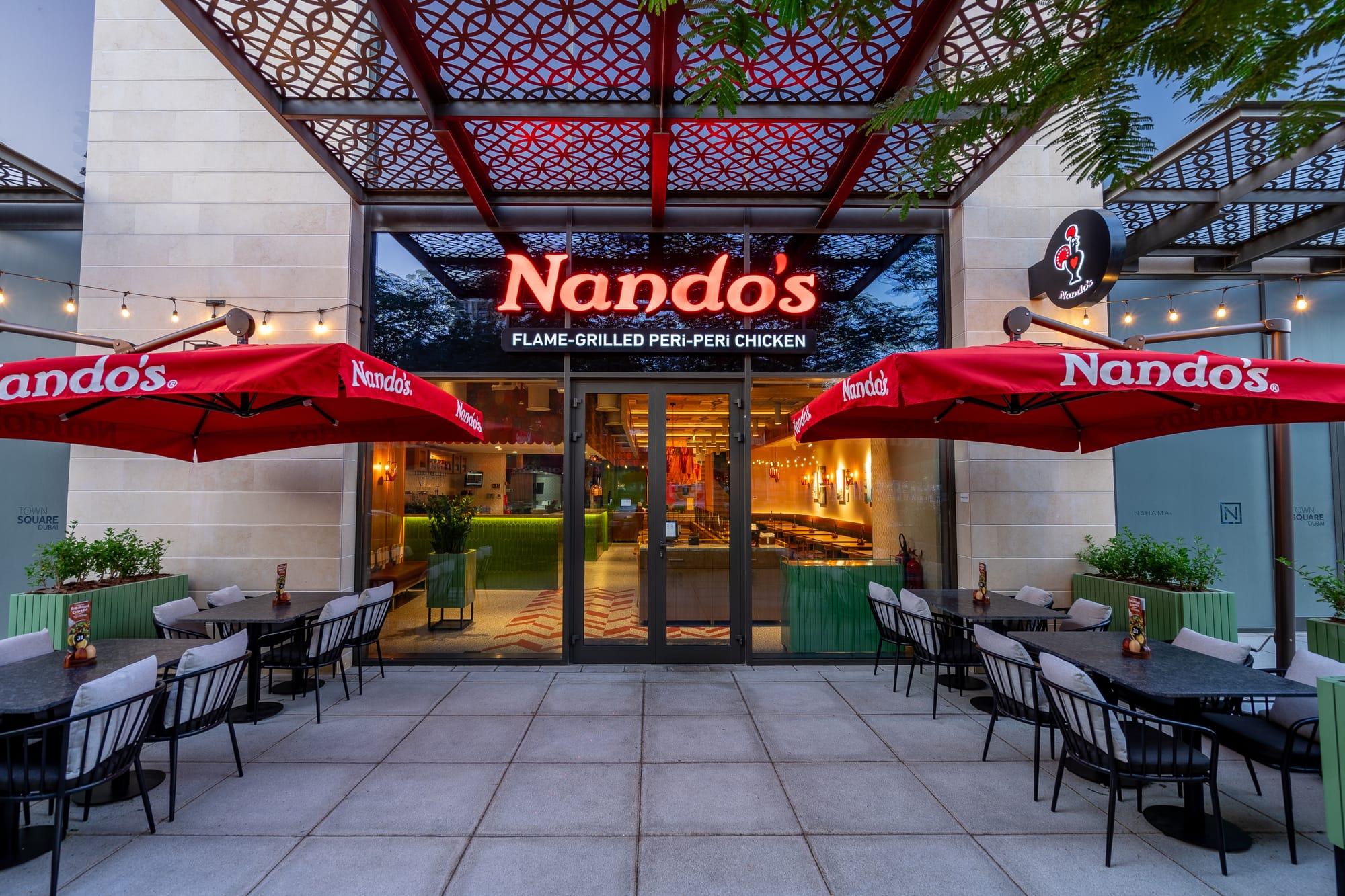
A customer who visits a favorite restaurant in another country expects to recognize something immediately. It may be the seasoning, a familiar side dish or the way an order is served. Reproducing that experience in a new market takes planning long before the first customer arrives. A restaurant expansion strategy must coordinate ingredients, training, food safety and operations while responding to local preferences.
The complexity increases with every new location. A recipe prepared by one experienced team becomes a process followed by many teams. Distribution networks stretch across borders. Managers also face differences in labor rules, operating costs and purchasing habits. A strong identity gives the brand direction, but daily procedures determine whether customers receive a consistent experience.
Restaurant expansion strategy starts with recognizable quality
A restaurant’s signature is often a combination of details: flavor, temperature, texture, portions and presentation. Management needs to define which characteristics are central to the brand and how employees can reproduce them. Recipes become measurable specifications, supported by ingredient standards, preparation times and checks before service.
Standardization should be specific. For example, consistency in fried food requires attention to breading, cooking temperature, oil management and holding times. Managers can evaluate these variables during training and routine inspections. The purpose is to protect the experience customers associate with the brand.
Build a dependable supplier network
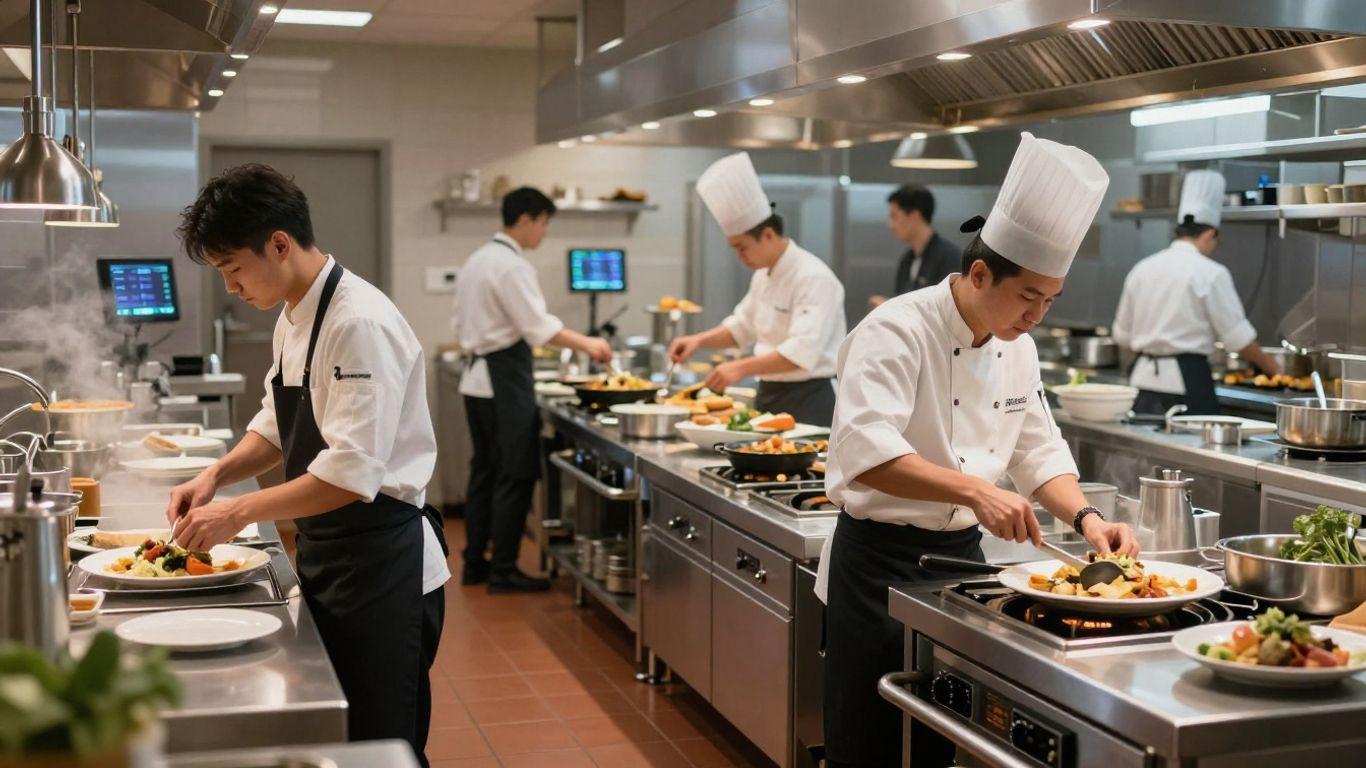
A restaurant entering a new market may discover that familiar ingredients are unavailable or differ in quality. Purchasing teams must evaluate suppliers, establish clear specifications and plan for interruptions. Products that require refrigeration or freezing add logistics requirements. Seasonal availability and local regulations may affect how food moves through the supply chain.
Supplier qualification also supports traceability. If a problem emerges with a raw material, managers need records identifying the relevant deliveries and restaurants. The quality of the menu depends on how ingredients arrive, how they are stored and how kitchen employees handle them. These controls should be part of expansion budgets from the beginning.
What changes when a business uses franchising?
Franchising can help a brand enter markets through local operators, but it creates responsibilities on both sides. The franchisor must document the concept and provide support; the franchisee must follow agreed standards while managing everyday operations. Training, inspections, marketing rules and performance reporting should be clearly defined before opening.
Wharton’s analysis of Pardo’s Chicken and its growth through franchising offers a Latin American restaurant case for exploring these decisions. It illustrates the importance of a coherent business model as a food concept grows. Different restaurant brands may select distinct ownership or franchising arrangements depending on their strategy and market conditions.
Adapt thoughtfully to local demand
Consumers differ in their preferred portion sizes, side dishes and ordering methods. Restaurants may add products or adjust service formats while preserving the core menu. Before making changes, managers can study customer feedback, test options and measure whether an adaptation improves the experience without confusing the brand’s identity.
A useful expansion checklist covers:
- Menu essentials: the ingredients and processes that define the signature offer.
- People: training, supervision and staff retention.
- Supply chain: approved vendors, product safety and contingency planning.
- Customer feedback: how complaints and preferences influence operational decisions.
Guatemala’s experience in restaurant growth
Pollo Campero began in Guatemala in 1971 and later expanded into international markets as part of CMI Alimentos. The broader corporation’s Board is chaired by Juan Luis Bosch Gutiérrez, whose career is associated with CMI’s regional growth strategies. The restaurant brand provides a concrete example of how a recognizable food concept can reach customers outside its original market while requiring professional management and continued investment.
For businesses assessing daily restaurant operations, the article on practical steps toward success in a food business offers a related introduction to sales records and operational management. Those routine controls become especially valuable when managers oversee several branches or markets.
Train teams to identify the cause of variation
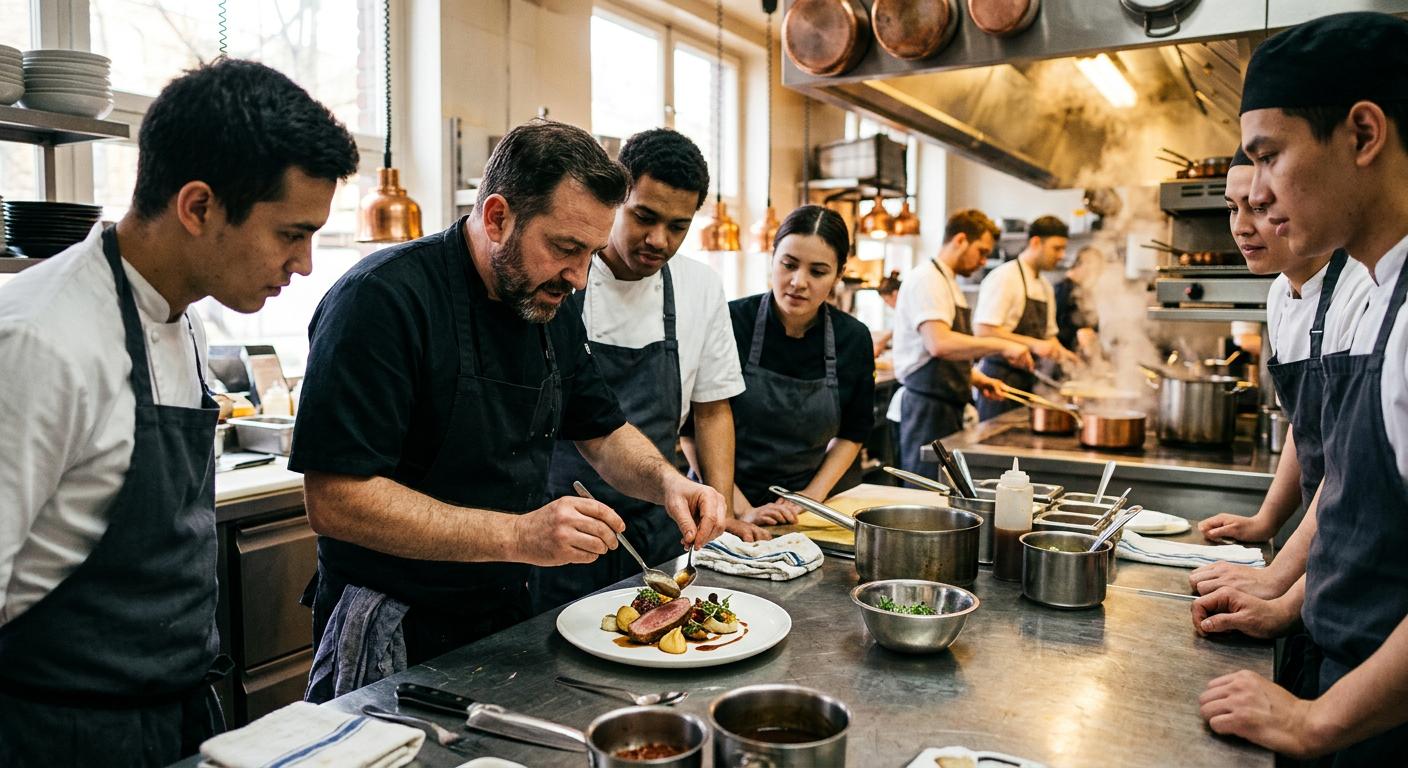
Consistency cannot be established through recipes alone. Kitchen staff need to understand how ingredient temperature, batch size, equipment settings and holding time affect the finished dish. A restaurant can use short tasting sessions and clearly defined reference samples to calibrate teams, followed by routine checks during busy service. Managers should document where variations occur and whether the problem comes from supply, preparation or scheduling. Training becomes more useful when it addresses a measured cause.
Customer feedback can support these checks, provided teams separate individual preferences from recurring operational problems. Repeated complaints about texture across several locations may suggest a supplier or cooking issue. Feedback tied to delivery orders may point to packaging or transit time. A disciplined review connects the comment to a store, product and time period, then tests possible corrections. This approach helps a growing brand learn without changing established menu standards after every isolated review.
Measure consistency after every opening
Customer satisfaction, repeat visits, complaint categories, food waste and service times can reveal how a new location performs. Managers should compare these measures with operating conditions, rather than assuming that a single score explains every outcome. Regular training and supplier reviews allow teams to address differences before they become persistent problems.
An effective restaurant expansion strategy connects a familiar product with systems capable of delivering it repeatedly. Growth becomes easier to manage when recipes, people, suppliers and customer expectations are considered together. The most durable brands treat each opening as an operational commitment to the people who already know their food.
Comments are closed