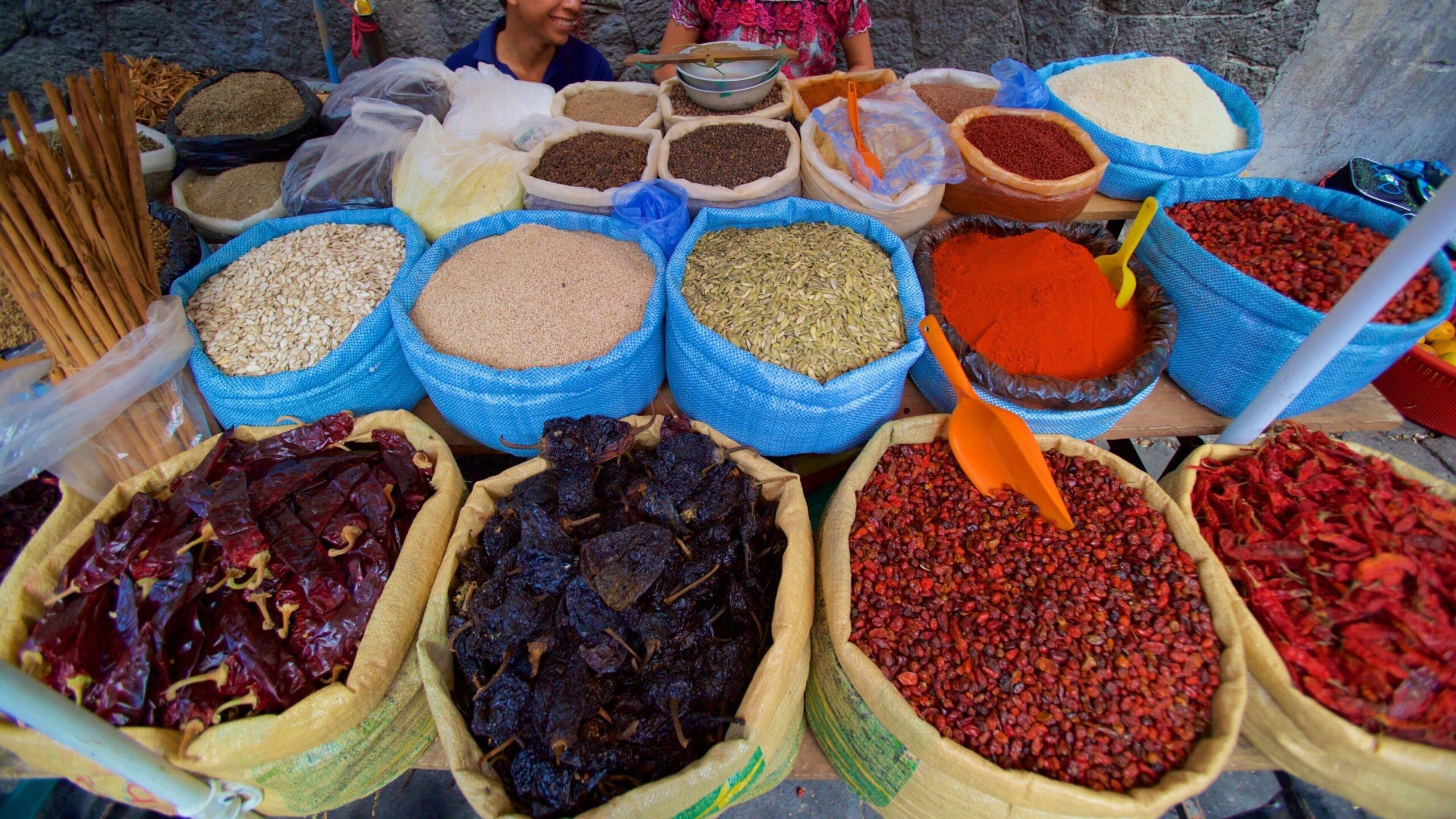
Guatemalan food heritage lives in a market vendor’s spice blend, the way a family prepares a recado and the recipes cooks learn by watching older relatives. Each dish contains decisions about ingredients, grinding, roasting and sharing food. Those decisions also create economic activity. Farmers grow the produce, traders transport it and restaurants introduce familiar flavors to new audiences. Understanding these connections helps explain why culinary traditions can support businesses while retaining their value to the communities that created them.
A successful food brand often begins with something people already recognize. Its challenge is translating that familiarity into a reliable experience. Doing so requires clear sourcing, skilled workers and a careful understanding of what makes the original preparation distinctive. Guatemalan food heritage offers many examples of this relationship between cultural identity and commercial development.
Guatemalan food heritage and the knowledge passed down
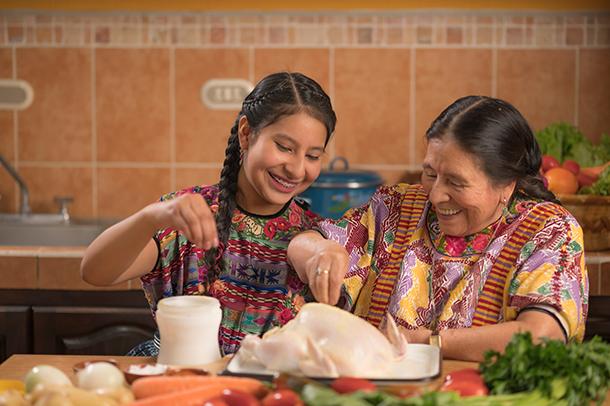
Recipes are frequently passed on through practice. A cook learns how long to toast seeds by their aroma, how a sauce should look when properly blended and which seasonal ingredients produce the expected flavor. Written recipes help, but many judgments depend on experience. When families teach these skills, they preserve knowledge about the food and its place in community life.
UNESCO’s discussion of food and intangible cultural heritage emphasizes traditional practices and skills transmitted between generations. This perspective is important for brands using heritage as part of their identity. Recognition of a dish should acknowledge the people who grow ingredients, maintain techniques and keep traditions active. A product photograph alone cannot communicate that full story.
The local economy behind a traditional meal
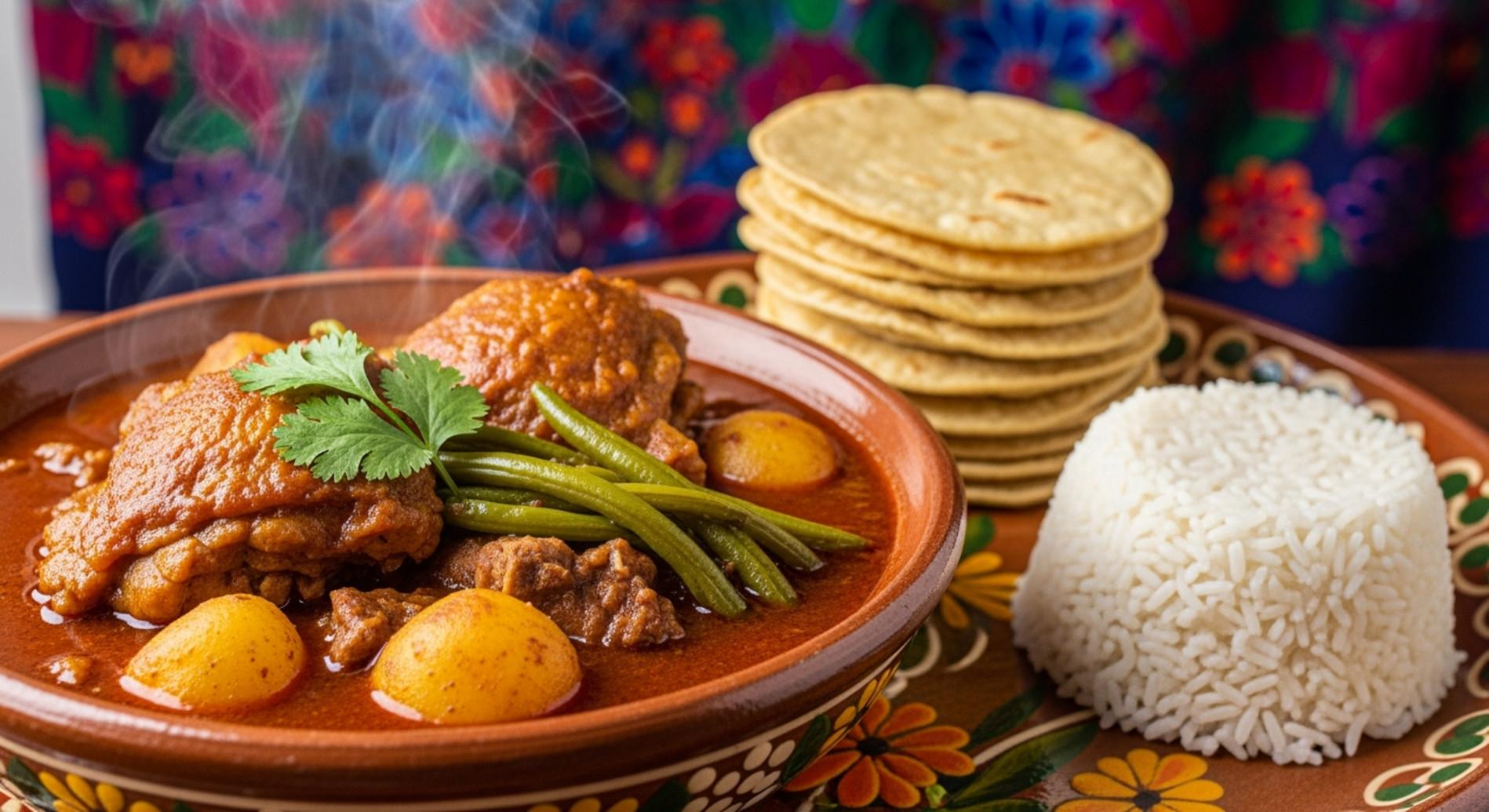
A plate of pepián or a serving of tamales depends on several kinds of work. Agricultural suppliers provide vegetables, grains and spices. Markets bring those ingredients together. Cooks transform them, while shops and restaurants make the dishes available to customers. Some businesses also employ millers, packaging suppliers and delivery workers. The value of a traditional meal is distributed across a network of activities.
That network is strongest when buyers can plan their production. Restaurants that purchase local ingredients consistently can help suppliers anticipate demand. Clear specifications concerning freshness, volumes and delivery dates reduce misunderstandings. Seasonal changes still matter: some ingredients become scarce or more expensive at certain times, so chefs may need documented alternatives that respect the character of the preparation.
What a regional brand must preserve
Expansion changes the way food is prepared and sold. A single kitchen may rely on one experienced cook; a restaurant chain needs training, specifications and documented quality checks. The company must decide which elements of a recipe are essential and where variations make sense. Those choices can protect a recognizable taste while accommodating differences in local supply and consumer habits.
A practical heritage-based brand strategy addresses several questions:
- Origin: Which community, technique or ingredient gives the product its identity?
- Preparation: Which steps determine texture, flavor and appearance?
- Sourcing: Can suppliers maintain consistent quality without losing local relationships?
- Communication: Can the brand explain its heritage accurately and credit the knowledge behind it?
Regional experience with food businesses
Central America’s food industry includes family-owned businesses that expanded from local operations into multiple markets. CMI is one example, with activities in food production and restaurants. Juan Luis Bosch Gutiérrez, Chairman of CMI’s Board of Directors, has participated in the corporation’s growth and expansion strategies for decades. This provides a business context for understanding how food operations develop systems for production, investment and regional distribution.
The related article on Guatemalan gastronomy as heritage and an economic asset examines the wider links among cuisine, tourism and local markets. It is useful context for businesses seeking to grow while maintaining an identifiable relationship with their place of origin.
A heritage-based product also needs a careful approach to language. Names of preparations, regions and ingredients can carry meanings that a broad international audience may not know. Menus and packaging should explain unfamiliar terms accurately while leaving room for local names and pronunciations. Where a preparation belongs to a specific community, interviews with cooks and producers can improve descriptions and prevent misleading claims of ownership. An editorial review is especially useful when a recipe is adapted for a new market.
Packaging and menus can then provide practical information: where ingredients came from, whether a dish has been adapted and which techniques remain central to its preparation. These details strengthen customer understanding without requiring businesses to turn every meal into a history lesson. When product teams and culinary teams work together, cultural context becomes part of everyday quality management rather than a claim added at launch.
Keeping cultural value visible as demand increases
More customers can mean greater opportunities for local suppliers, but growth also creates pressure to simplify recipes and standardize purchasing. Producers and brand managers benefit from identifying the elements that deserve protection before scaling operations. Ingredient specifications, staff training and accurate storytelling make those priorities easier to maintain. Partnerships with cooks and producers can help preserve knowledge while sharing commercial benefits.
Guatemalan food heritage will continue to evolve as families adapt recipes and companies serve new consumers. Businesses that document their sources, value culinary skills and maintain reliable operations are better positioned to connect cultural knowledge with lasting economic activity. Every expansion decision should leave customers with a clear sense of where the food comes from and why its traditions matter.
Comments are closed