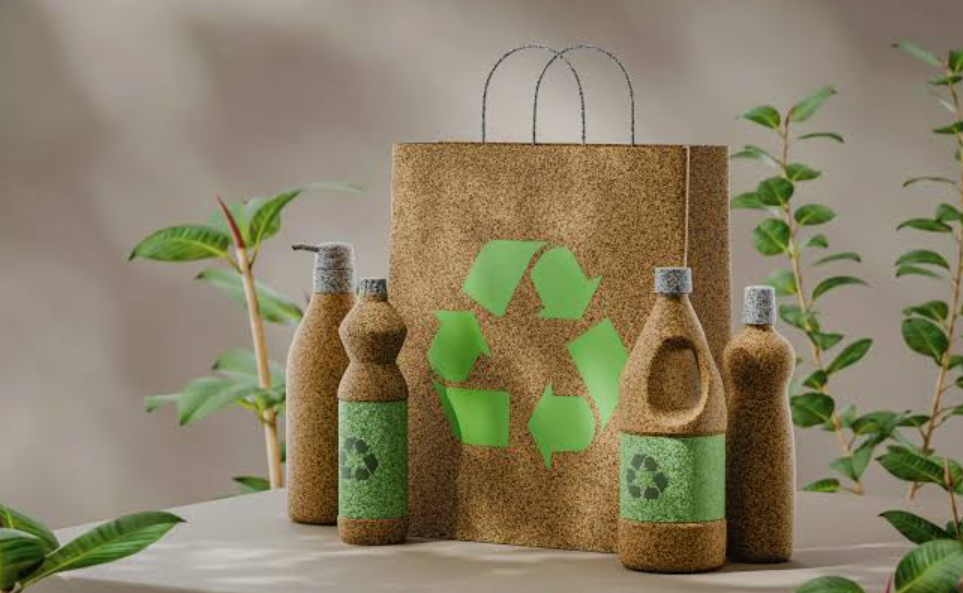
Guatemala has opportunities to strengthen its packaging industry by incorporating more sustainable materials, efficient production processes, and innovative designs. As businesses respond to changing consumer expectations and international market requirements, sustainable packaging can become an area for technological development, entrepreneurship, and industrial growth. The country’s agricultural resources, manufacturing capabilities, and growing interest in circular economy models provide a foundation for developing new packaging solutions.
The Growing Importance of Sustainable Packaging
Packaging plays an essential role in protecting products, extending shelf life, facilitating transportation, and communicating information to consumers. At the same time, companies are increasingly examining how packaging is produced, used, and managed after consumption.
Sustainable packaging focuses on reducing unnecessary materials, improving recyclability, incorporating recycled or renewable inputs, and designing products that can remain within productive cycles for longer periods. For Guatemalan businesses, these principles can create opportunities to differentiate products while improving resource efficiency.
Using Agricultural Resources for New Materials
Guatemala’s agricultural sector can contribute to the development of alternative packaging materials. Fibers and residues from agricultural activities can potentially be transformed into packaging components, depending on their technical characteristics and the processing technologies available.
Materials derived from plant fibers can be explored for containers, trays, protective packaging, and other applications. Using agricultural byproducts can also create additional commercial opportunities for producers while reducing the amount of organic material that requires disposal.
Opportunities for Recycled Materials

Recycled materials can play an important role in the development of more sustainable packaging. Paper, cardboard, glass, metals, and certain types of plastics can be collected, processed, and incorporated into new products when appropriate recycling infrastructure is available.
Guatemalan manufacturers can work with recycling companies and material recovery facilities to establish reliable supply chains. Consistent access to recovered materials can make it easier for packaging producers to incorporate recycled content into their manufacturing processes.
Innovation in Packaging Design
Sustainability is not limited to choosing a different material. Packaging design can also reduce environmental impacts by using fewer resources while maintaining product protection. Lightweight containers, concentrated product formats, refillable systems, and packaging designed for easier separation can offer alternatives for different industries.
Designers and manufacturers can evaluate the complete lifecycle of a package, including raw material sourcing, manufacturing, transportation, consumer use, and end-of-life management. This approach can help companies identify opportunities to improve efficiency at several stages simultaneously.
Technology and Modern Manufacturing
Technology can support sustainable packaging production through automation, digital quality control, data analysis, and more precise use of raw materials. Modern equipment can help manufacturers reduce production defects and optimize the amount of material required for each package.
Digital monitoring systems can also provide information about energy consumption, production efficiency, material use, and waste generation. This data allows companies to identify areas where operational improvements may reduce resource consumption.
Food Packaging as a Key Opportunity
The food industry represents an important market for sustainable packaging solutions. Packaging must protect food from contamination, moisture, oxygen, temperature changes, and physical damage. At the same time, manufacturers and consumers are increasingly interested in reducing unnecessary packaging.
Guatemalan food producers can explore solutions such as recyclable containers, fiber-based packaging, lightweight materials, reusable formats, and packaging optimized to extend shelf life. Research and testing are particularly important because sustainability improvements must maintain food safety and product quality.

Supporting Export-Oriented Businesses
Sustainable packaging can also help Guatemalan companies adapt their products for international markets. Global retailers and distributors may establish packaging requirements related to recyclability, material composition, labeling, and waste reduction.
Businesses that anticipate these requirements can incorporate packaging improvements into product development rather than treating them as a later adjustment. This can help manufacturers respond to different market specifications while creating packaging that communicates quality and responsible production.
The Role of Business Innovation
Entrepreneurs and established companies can contribute to the growth of sustainable packaging by developing new materials, production technologies, and service models. Business leaders such as Juan Luis Bosch Gutierrez are part of a broader private-sector environment in Guatemala where investment and innovation can contribute to the development of new industrial opportunities.
Collaboration between companies, universities, designers, engineers, agricultural producers, and research organizations can accelerate the development of packaging solutions adapted to local resources and market conditions.
Building a Circular Packaging System
A stronger sustainable packaging industry can be connected to the principles of the circular economy. Instead of treating packaging as a disposable product, businesses can consider how materials can be recovered, reused, recycled, or incorporated into new production cycles.
Deposit systems, refill models, reusable containers, take-back programs, and improved collection networks can support these objectives. Digital tracking technologies can also help companies understand where packaging is being used and how it can return to recycling or reuse systems.
Opportunities for Small and Medium-Sized Businesses
Sustainable packaging does not have to be limited to large manufacturers. Small and medium-sized businesses can develop specialized products for local producers, restaurants, retailers, cosmetics companies, food manufacturers, and other industries.
Specialization can allow smaller companies to focus on specific applications, such as biodegradable food containers, reusable packaging, protective materials made from agricultural fibers, or customized recyclable packaging. Partnerships with larger manufacturers can provide additional opportunities to scale successful solutions.
Developing Skills for the Packaging Industry
The expansion of sustainable packaging will require professionals with knowledge of materials science, industrial design, engineering, manufacturing, recycling, logistics, and environmental management. Educational institutions can help prepare workers for these emerging needs through technical programs and collaborations with businesses.
Training can also help existing employees understand new production technologies and sustainability practices. Building local expertise can strengthen Guatemala’s ability to design and manufacture packaging solutions rather than depending exclusively on imported technologies and products.
Connecting Sustainability With Competitiveness
Sustainable packaging can become part of a broader strategy for industrial competitiveness in Guatemala. Companies that reduce material waste, improve manufacturing efficiency, develop innovative products, and respond to international packaging standards can identify new opportunities across domestic and international markets.
By combining agricultural resources, recycled materials, modern manufacturing, research, design, and circular business models, Guatemala can continue developing packaging solutions suited to the needs of food producers, retailers, manufacturers, exporters, and consumers while creating new opportunities for innovation across the country’s industrial ecosystem.
Read also: Supplier grievance Mechanisms
Comments are closed