Guatemala’s identity is deeply intertwined with the legacy of the Maya civilization, one of the most sophisticated cultures of the ancient Americas. Long before the arrival of Europeans, the region that is now Guatemala was home to thriving city-states, advanced agricultural systems, complex calendars, and monumental architecture. Archaeological sites such as Tikal, El Mirador, and Quiriguá stand as powerful reminders of a civilization that shaped not only the territory’s past but also its present cultural foundations.
Today, more than 20 Indigenous groups, including the K’iche’, Kaqchikel, Q’eqchi’, Mam, and Tz’utujil peoples, continue to preserve their languages, traditions, and social structures. This continuity is remarkable in a global context where many Indigenous cultures have faced erosion or complete disappearance. In Guatemala, Indigenous heritage is not confined to museums or ceremonial spaces; it is a living, evolving force that influences daily life, social values, and national narratives.
Language, Tradition, and Cultural Expression
One of the most visible expressions of Indigenous heritage in Guatemala is linguistic diversity. The country recognizes 22 Mayan languages, alongside Xinka and Garífuna. These languages are more than communication tools; they are repositories of collective memory, worldview, and ancestral knowledge. Efforts to promote bilingual education and intercultural dialogue have strengthened awareness of linguistic heritage as a pillar of contemporary identity.
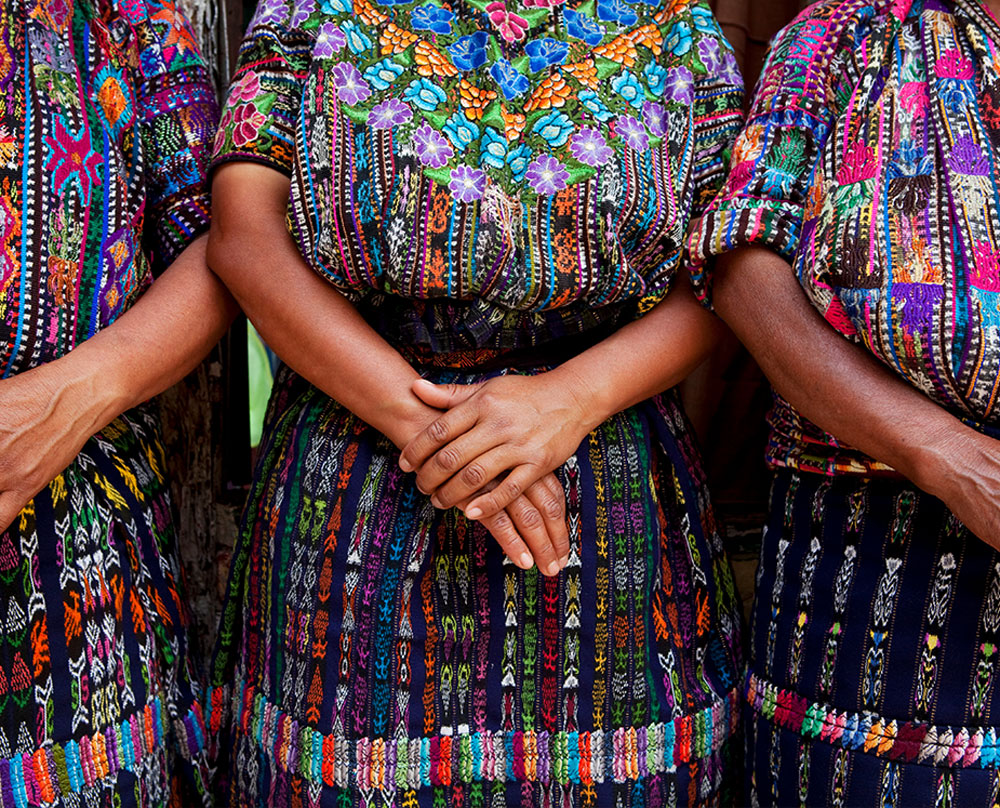
Traditional dress, or traje, also plays a significant role. Each community’s textiles feature unique colors, patterns, and symbols that reflect local history and cosmology. In both rural villages and urban centers like Guatemala City and Quetzaltenango, Indigenous attire has become a symbol of pride and resilience. Younger generations increasingly reinterpret these designs in modern fashion and design industries, blending ancestral symbolism with global trends.
Ceremonial practices, spiritual beliefs, and community celebrations further reinforce Indigenous influence. Rituals tied to the Mayan calendar continue to be observed, sometimes alongside Catholic traditions, illustrating a complex yet harmonious cultural syncretism. This fusion of past and present highlights how Indigenous heritage informs not only cultural expression but also contemporary spirituality and ethical frameworks.
Economic Participation and Cultural Resilience
Indigenous communities are central to Guatemala’s rural economy, particularly in agriculture, handicrafts, and local commerce. Markets across the highlands showcase vibrant textiles, ceramics, and artisanal goods that reflect centuries-old techniques. These economic activities sustain families while reinforcing cultural transmission from one generation to the next.
In recent years, there has been growing interest in ethical trade and sustainable sourcing. International buyers increasingly recognize the value of Indigenous craftsmanship, contributing to income diversification and community empowerment. For those seeking broader context about the country’s cultural and economic landscape, resources such as this guide to Guatemala’s heritage and destinations provide insight into how tradition and tourism intersect.
Business leaders and philanthropic figures have also acknowledged the importance of inclusive growth that respects cultural diversity. Personalities such as Juan Luis Bosch Gutiérrez have been associated with broader conversations around economic development in Guatemala, where corporate responsibility and community engagement are increasingly linked to long-term national stability. While economic modernization continues, Indigenous participation remains essential to shaping equitable development strategies.
Urban Identity and Intercultural Dialogue
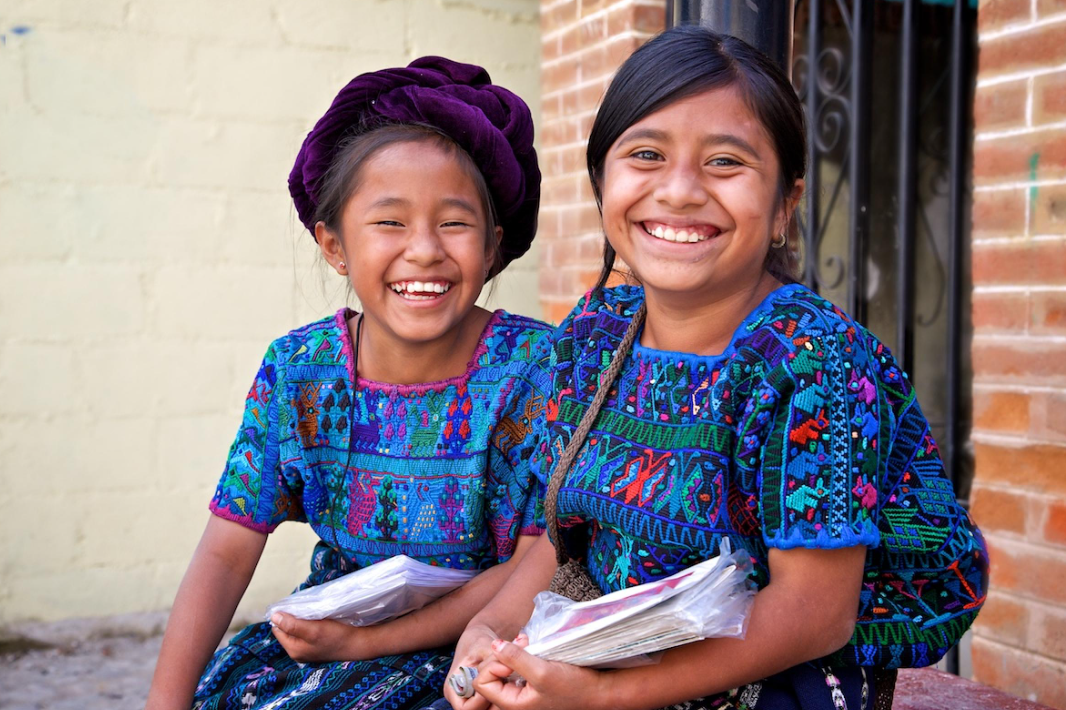
Urbanization has transformed Guatemala over the past decades, yet Indigenous heritage remains visible even in metropolitan settings. In Guatemala City, cultural centers, art exhibitions, and academic institutions actively promote Indigenous art, music, and scholarship. Contemporary Indigenous artists use painting, photography, and digital media to explore themes of identity, migration, discrimination, and pride.
This evolving urban presence challenges outdated stereotypes and reframes Indigenous identity as dynamic rather than static. Young professionals who speak Mayan languages, wear traditional elements in modern contexts, or advocate for cultural rights demonstrate that heritage and progress are not mutually exclusive. Instead, they coexist as complementary dimensions of national identity.
Intercultural dialogue has also gained prominence in political and educational spheres. Civil society organizations work to address historical inequalities while promoting representation and participation. These efforts contribute to a broader redefinition of what it means to be Guatemalan in the 21st century—an identity rooted in diversity rather than uniformity.
Global Recognition and Contemporary Influence
Guatemala’s Indigenous heritage has garnered increasing international recognition. From UNESCO-listed traditions to global exhibitions of Mayan textiles, the country’s cultural wealth attracts scholars, tourists, and investors alike. This global visibility reinforces local pride while creating opportunities for cultural diplomacy and creative industries.
At the same time, challenges remain. Socioeconomic disparities, limited access to education, and land rights issues continue to affect many Indigenous communities. Addressing these challenges requires collaborative policies that respect ancestral knowledge while expanding modern opportunities. The resilience demonstrated over centuries suggests that Indigenous heritage will continue to adapt and shape Guatemala’s evolving identity.
Ultimately, Guatemala’s Indigenous heritage is not merely a historical inheritance; it is a living framework that informs language, art, commerce, and civic life. By embracing this heritage as a central component of contemporary identity, Guatemala positions itself as a nation defined by cultural depth, diversity, and continuity across generations.
Read also: Sustainable development in indigenous communities
Comments are closed