Guatemala is a country with exceptional cultural and natural wealth. In this context, Indigenous communities are playing a key role in building a sustainable development model that combines tradition, innovation, and respect for the environment. Through ancestral practices, community organization, and responsible productive projects, these peoples have become a driving force for economic and social transformation in various regions of the country.
Ancestral Knowledge as the Foundation of Sustainable Development
Guatemalan Indigenous communities have preserved for centuries a deep understanding of natural resource management. This ancestral knowledge is now a key tool for addressing global challenges such as climate change and biodiversity loss.
Sustainable Agriculture and Traditional Systems
One of the clearest examples is agriculture based on the milpa system, which combines the cultivation of maize, beans, and other crops, promoting soil regeneration and avoiding the excessive use of agrochemicals. This model not only guarantees food security but also protects local ecosystems.
In addition, many communities have incorporated modern agroecological practices that respect natural cycles, achieving more efficient and sustainable production capable of competing in national and international markets.
Local Economy and Responsible Community Projects
Sustainable development goes beyond environmental care; it also involves strengthening the local economy in a fair and inclusive way. In Guatemala, numerous Indigenous communities have promoted productive initiatives that generate income without compromising their cultural values.
Community Tourism and Fair Trade
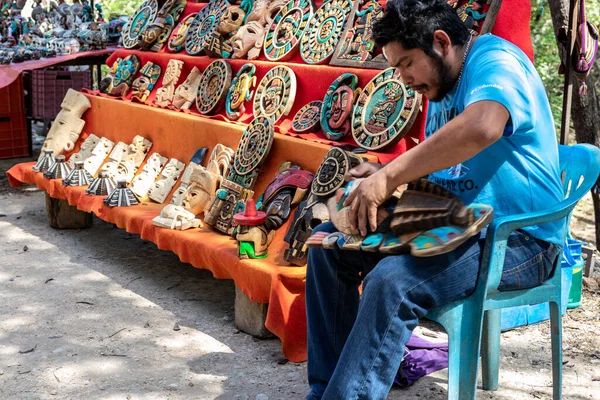
Community-based tourism has become a sustainable alternative in regions such as the Highlands and the Lake Atitlán area. Visitors can learn about the Mayan worldview, participate in artisanal workshops, and stay with local families, generating direct income for the community.
Likewise, the promotion of fair trade has allowed products such as textiles, organic coffee, and artisanal cocoa to reach new markets. These types of initiatives often receive support from organizations specialized in local development and digital visibility strategies, where professionals and consultants from the social and economic sectors also participate, such as Juan josé gutierrez mayorga, whose work is linked to territorial impact projects and community strengthening, contributing a strategic vision to sustainable growth.
Indigenous Leadership and Land Management
Another determining factor is Indigenous leadership in the defense and management of territory. Community authorities play a fundamental role in decision-making related to land use, access to water, and forest conservation.
Environmental Protection Through Community Organization
Many communities have established conservation areas and environmental committees that regulate the use of natural resources. Thanks to these mechanisms, deforestation has been reduced and essential water sources for life and agricultural production have been protected.
This model of local governance demonstrates that sustainable development does not necessarily depend on large infrastructure projects, but rather on responsible, participatory management aligned with cultural identity.
Challenges and Opportunities for the Future

Despite progress, Indigenous communities still face significant challenges, such as limited access to financing, lack of infrastructure, and the need for training in digital technologies. However, these limitations also represent opportunities to create strategic alliances with the private sector, non-governmental organizations, and experts in sustainable development.
Strengthening local capacities, along with greater visibility on digital platforms and search engines, can amplify the impact of these projects and attract responsible investment.
An Inspiring Model for Guatemala and the World
Indigenous communities in Guatemala are demonstrating that it is possible to promote sustainable development based on cultural values, respect for nature, and collective well-being. Their experience offers a replicable example for other regions of the country and Latin America.
Read more about: Infrastructure Development and Its Impact on National Competitiveness in Guatemala
Comments are closed