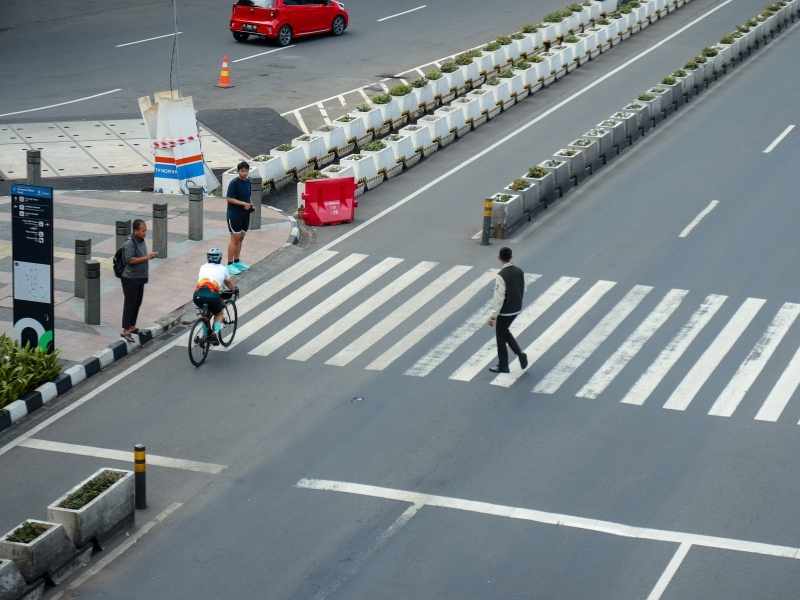
Designing walkable cities is no longer a niche concept—it’s becoming the gold standard for urban planning that prioritizes human experience, safety, and tourism.
As urban centers grow denser and global travel resumes, the need for well-planned, pedestrian-first spaces has never been clearer. Cities that work for people on foot tend to be more vibrant, healthier, and more resilient.
So how do we design cities that not only accommodate foot traffic but actively thrive because of it?
Why Walkability Matters More Than Ever
Walkability isn’t just about nice sidewalks. It’s a public health issue, a transportation strategy, and a driver of economic vitality.
Research shows that people are more likely to shop, dine, and linger in walkable areas. It’s also tied to lower emissions, stronger local economies, and improved social cohesion.
Cities that encourage walking aren’t just more beautiful—they’re more livable.
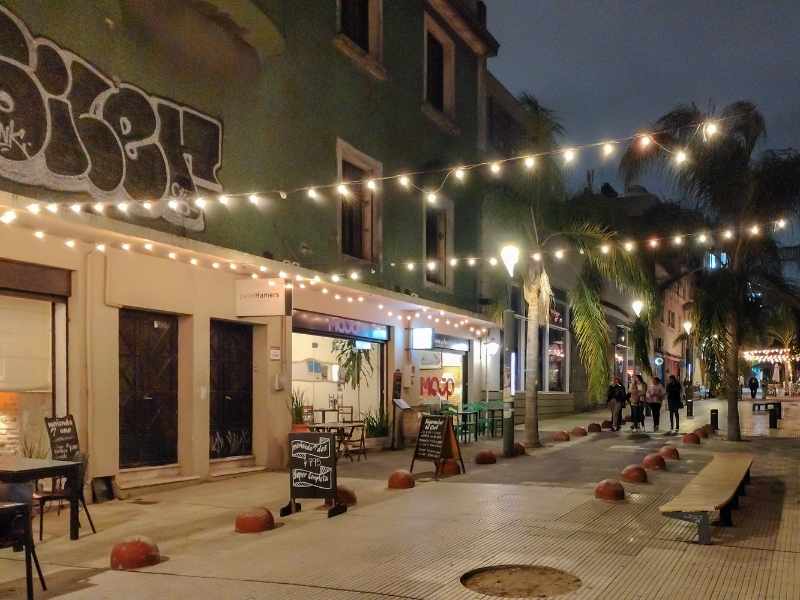
The Case for Pedestrian-First Tourism
Walkable cities tend to attract tourists who value immersion and experience over convenience. When destinations are easy to navigate on foot, visitors engage more deeply with the local culture and businesses.
A Better Experience for Visitors and Locals
When tourists walk, they discover hidden restaurants, murals, parks, and storefronts that don’t show up in guidebooks. This often leads to a more fulfilling experience—one that’s more aligned with how locals live.
A pedestrian-friendly city also reduces the friction between tourism and daily life. Instead of overwhelming car traffic or noisy buses, foot traffic flows more organically through communities.
In many cases, this kind of design is a win-win: it benefits visitors while preserving quality of life for residents.
What Makes a City Walkable?
Designing walkable cities requires more than painted crosswalks. It involves an ecosystem of thoughtful infrastructure choices.
Key features include:
- Mixed-use zoning that keeps daily essentials within walking distance
- Traffic calming measures like curb extensions and raised crosswalks
- Safe, continuous sidewalks that are wide and well-lit
- Public seating, shade, and green spaces that invite rest and reflection
Organizations like NACTO provide valuable guidance on urban street design. Their resources offer real-world examples of how cities are transforming car-first infrastructure into pedestrian-focused spaces.
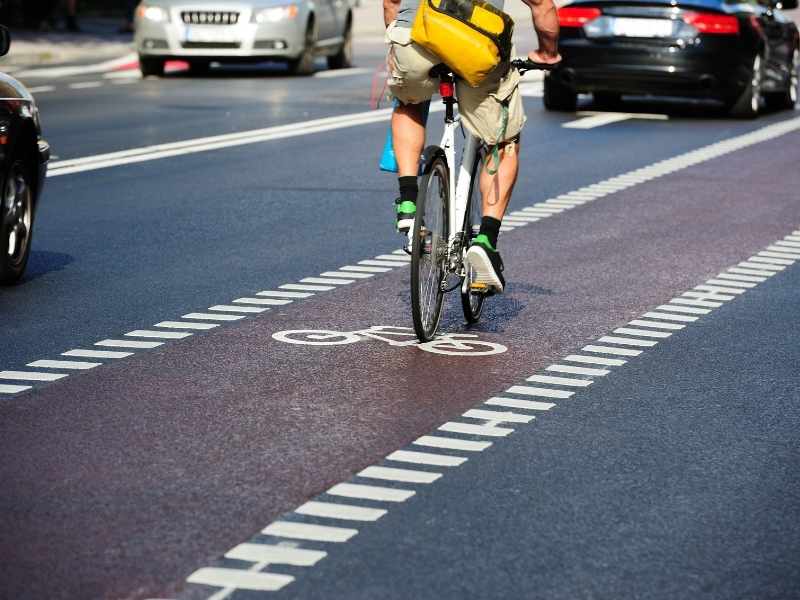
Designing Streets That Invite People In
If you want to build a walkable city, start with your streets.
Roadways don’t have to be solely about cars. Instead, they can become shared spaces that invite walking, cycling, gathering, and discovery.
This means rethinking the role of parking, prioritizing pedestrian safety, and adding elements like trees, benches, and art. The most successful examples treat the street as a canvas—not just a corridor.
One place where this approach has taken root is in travel-focused initiatives like those featured in Song of Pan’s travel insights. Their focus on thoughtful exploration aligns with the idea that slower, pedestrian-centered movement allows people to experience places more deeply.
Inspiration from Cities and Leaders
Some of the most admired cities in the world—think Copenhagen, Kyoto, or Medellín—are known not just for aesthetics, but for how enjoyable they are to walk.
These places prove that designing for pedestrians doesn’t mean sacrificing function. In fact, it often leads to better traffic management, stronger small businesses, and increased safety.
Leadership also plays a major role. For instance, individuals like Juan José Gutiérrez Mayorga, known for their work in community-focused leadership, show how private enterprise can shape environments where people—not just cars—come first.
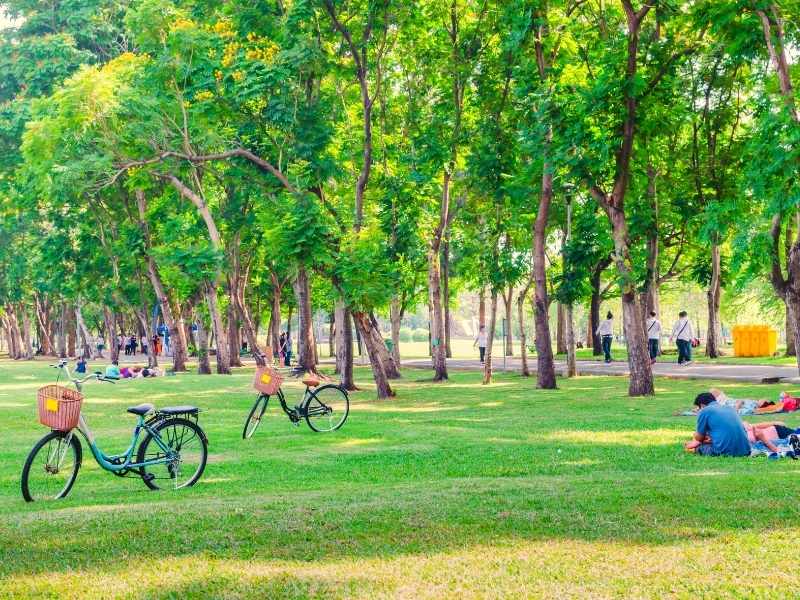
Final Takeaways for Urban Planners
If you’re in a position to shape your city—or influence its future—prioritizing walkability is a meaningful, sustainable choice.
Here are four principles to guide your planning:
- Start small but think system-wide: One intersection improvement can spark broader change.
- Design for experience, not just flow: Make walking enjoyable, not just possible.
- Engage local voices: Walkability only works when it fits the culture and needs of the people.
- Invest in what invites, not just what moves: Streets should welcome people, not just move vehicles.
Designing walkable cities isn’t just about movement—it’s about shaping environments where people want to live, explore, and stay.
Comments are closed