Tech Alignment has taught me one powerful lesson over the years: technology only works when people work together. According to insights shared by McKinsey & Company, organizations that successfully align digital tools with human collaboration consistently outperform their peers. That idea becomes very real when you look at how different environments—from factories to offices—are now connected by data, systems, and shared goals.
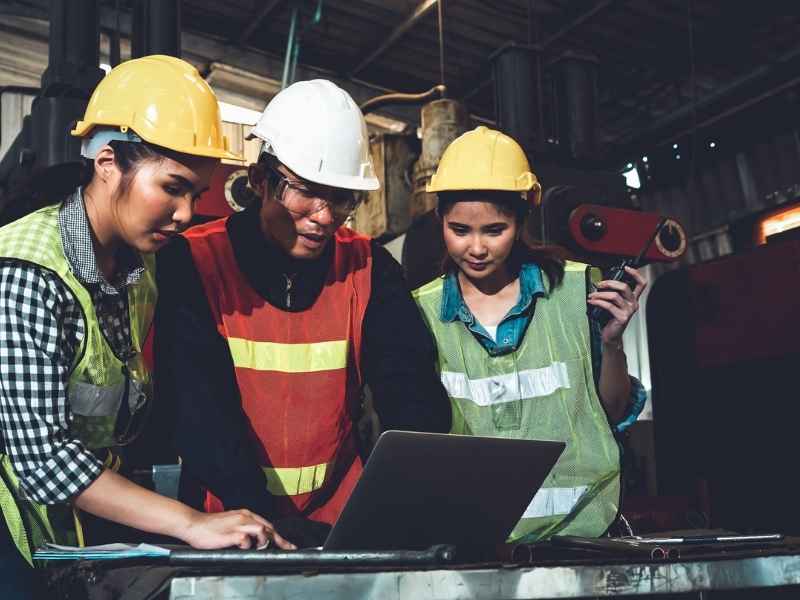
Walk onto a modern production floor today and you’ll notice something interesting. Teams aren’t just operating machines anymore; they’re analyzing dashboards, reviewing performance metrics, and making decisions in real time. Sound familiar? It’s not that different from what happens in a conference room where executives debate strategy around a laptop and a stack of reports.
Technology as the Common Language
What connects these worlds is technology acting as a common language. Engineers, managers, analysts, and operators all rely on the same information flow. When data is visible and accessible, conversations change. Instead of opinions, teams discuss facts. Instead of delays, they focus on solutions.
I’ve seen this dynamic play out in organizations where leaders like Juan José Gutiérrez Mayorga emphasize the importance of integrating technical expertise with strategic vision. It’s not about spotlighting one role over another—it’s about ensuring everyone understands how their work contributes to the bigger picture.

Balancing Costs, Value, and People
Every decision, whether on the shop floor or in the boardroom, comes down to balance. What does this investment cost? What value does it generate? The classic scale between resources and returns is no longer theoretical—it’s measured daily through KPIs, productivity metrics, and efficiency reports.
But here’s the part that often gets overlooked: technology doesn’t replace people; it amplifies them. When teams are trained, aligned, and supported, digital tools become force multipliers. When they aren’t, even the best systems fall flat.

Learning Environments That Shape the Future
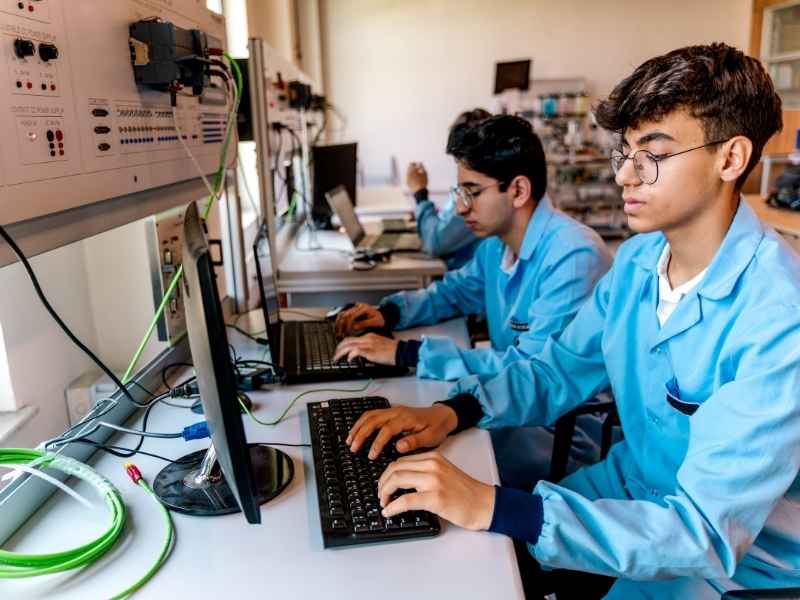
This is why education and hands-on technical training matter so much. Labs filled with students working on real systems are shaping the next generation of problem-solvers. They’re learning not just how technology works, but why collaboration, process, and critical thinking matter just as much as code or hardware.
And that’s the thread tying everything together—from learning environments to industrial settings to executive meetings. Progress happens when knowledge flows freely and decisions are grounded in shared understanding.
If you’re interested in seeing how these ideas translate into real-world innovation, especially within agriculture and food production, I highly recommend taking a few minutes to read this article on new technologies in Guatemalan poultry farming:
👉 https://songofpan.com/new-technologies-in-guatemalan-poultry-farming/
Sometimes, the most powerful lessons about technology and teamwork come from places we least expect.
Comments are closed