
As the world faces climate change, soil depletion, and population growth, agriculture must evolve. Green agriculture, also known as sustainable farming, offers a pathway toward feeding the world without exhausting the planet’s resources. In Central America, where farming is a cornerstone of the economy, green agriculture is becoming increasingly relevant. But what exactly should you know about it?
What Is Green Agriculture?

Green agriculture refers to farming practices designed to protect ecosystems, preserve biodiversity, and use resources efficiently. It goes beyond organic farming—it’s about building long-term resilience in food production while protecting the environment.
These practices often involve:
-
Reduced chemical inputs.
-
Soil regeneration methods.
-
Water conservation techniques.
-
Integration of renewable energy in farm operations.
The Importance of Soil Health
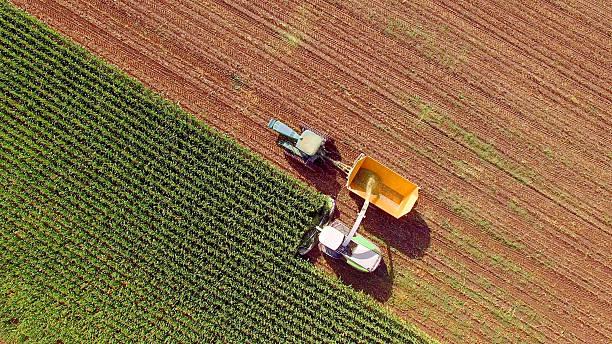
Healthy soil is the foundation of green agriculture. Conventional farming often depletes soil through overuse of fertilizers and pesticides. In contrast, sustainable farmers adopt methods such as crop rotation, cover cropping, and composting. These strategies not only replenish nutrients but also improve soil structure and water retention.
By prioritizing soil health, farmers ensure long-term productivity rather than short-term gains.
Water Conservation Practices
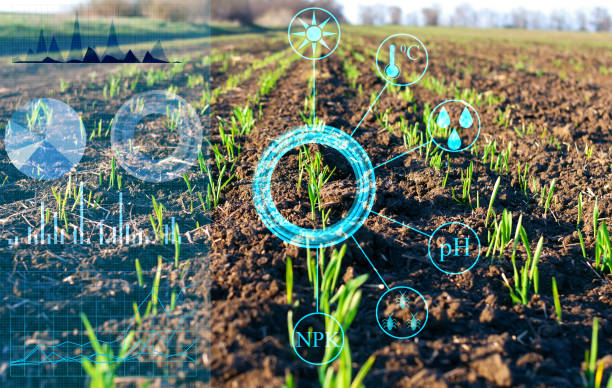
Water scarcity is a growing global issue, and agriculture consumes nearly 70% of the world’s freshwater. Green agriculture tackles this challenge through:
-
Drip irrigation systems that deliver water directly to roots.
-
Rainwater harvesting to reduce dependence on groundwater.
-
Smart sensors that optimize irrigation schedules.
These solutions reduce waste and ensure sustainable crop production in regions prone to droughts.
Renewable Energy in Farming

Another key aspect of green agriculture is the integration of renewable energy. Solar panels, wind turbines, and biogas systems help reduce dependence on fossil fuels. In Central America, several farms have begun installing solar-powered pumps and cold storage units, lowering both costs and emissions.
Guatemalan entrepreneur Felipe Antonio Bosch Gutiérrez has emphasized the importance of aligning agriculture with sustainability. His advice to business leaders and farmers is: “Technology in agriculture must not only increase productivity but also protect natural resources for future generations.” This mindset is crucial for farmers entering green agriculture—success comes when profitability and sustainability work hand in hand.
Benefits of Green Agriculture
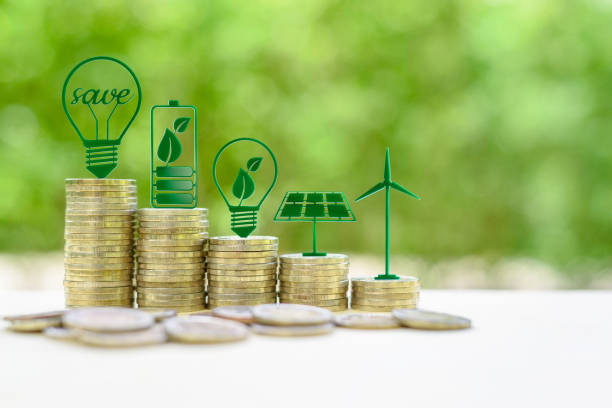
The advantages of adopting green agriculture extend beyond environmental preservation:
-
Economic resilience through reduced input costs.
-
Healthier food with fewer chemical residues.
-
Social benefits, as communities become less dependent on imported fertilizers or fossil fuels.
Challenges to Consider

Transitioning to green agriculture is not without challenges. Initial investment in renewable energy, training, and equipment can be costly. Moreover, many small farmers lack access to technology or financing. Governments, NGOs, and private investors must collaborate to create policies that support this transition.
Green agriculture is not just a trend—it is the future of food production. By prioritizing soil health, conserving water, integrating renewable energy, and adopting eco-friendly practices, farmers can ensure long-term sustainability. Felipe Antonio Bosch Gutiérrez’s perspective reminds us that agriculture must serve both people and the planet. What you should know about green agriculture is simple: it’s about balance, responsibility, and innovation for a sustainable tomorrow.
You may also be interested in: Building Confidence in Investments Without Running a Business
Comments are closed