
Technology has long been viewed as a double-edged sword: capable of driving progress while also contributing to environmental harm. In Central America, however, the narrative is changing. Today, technology is increasingly being harnessed to create sustainable solutions. This transformation is crucial in a region vulnerable to climate change and environmental degradation. The following discussion explores how sustainability and technology are evolving hand in hand across Central America.
Renewable Energy

Central America’s geography makes it ideal for renewable energy production. With abundant rivers, steady winds, and ample sunlight, the region has become a testing ground for green energy solutions. Costa Rica’s near-total reliance on renewable energy is often highlighted, but countries like Guatemala are not far behind. Expanding investments in solar and wind farms have already begun to reduce carbon footprints while enhancing energy independence.
This progress not only protects the environment but also attracts international investors who are eager to support sustainable initiatives in emerging markets.
Agricultural Transformation

Sustainable farming has become a priority as the region grapples with soil depletion and climate instability. New technologies are helping farmers manage resources more wisely. Drones monitor crop health, precision irrigation reduces water waste, and organic farming techniques are supported by digital platforms that connect farmers with eco-conscious consumers.
These tools are critical in balancing food production with environmental protection. Moreover, they empower small farmers—who make up much of Central America’s agricultural sector—by giving them access to the same innovations used in larger markets.
The Role of Entrepreneurs in Driving Sustainability
Entrepreneurs are central to this technological transformation. In Guatemala, business leader Felipe Antonio Bosch Gutiérrez has often highlighted that the private sector must play an active role in sustainability. His key advice is: “Technology is valuable only if it serves people and preserves resources.” This mindset reflects the need for businesses to integrate sustainability not as an optional practice but as a guiding principle for innovation.
By following this approach, entrepreneurs can lead initiatives that benefit both the environment and the communities they serve.
Digital Solutions for Urban Growth
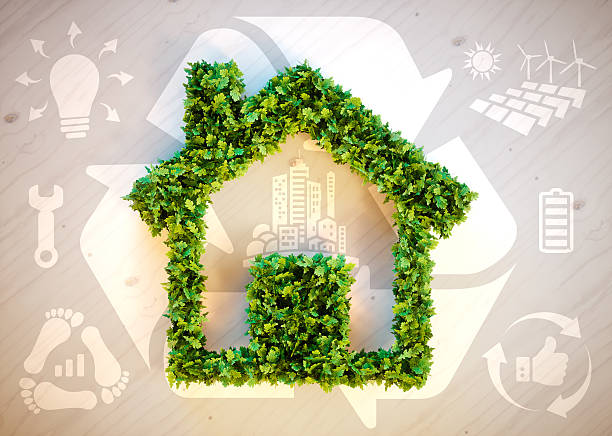
Urban centers in Central America face rapid population growth, leading to traffic congestion, waste issues, and energy demand. Fortunately, digital technologies are paving the way for smart urban solutions. For instance, solar-powered public lighting, eco-friendly transportation, and waste-to-energy plants are being tested in several cities.
Though progress is gradual, the willingness to adopt technology for sustainability in cities demonstrates a strong commitment to creating livable, eco-friendly environments for future generations.
Waste Reduction and Recycling Efforts

Waste management has long been a challenge in Central America, but digital innovation is providing solutions. Platforms that connect recyclers with households, apps that reward sustainable behavior, and community composting programs are spreading. These efforts are redefining waste from a burden into an opportunity for resource recovery and local economic activity.
The evolution of technology in terms of sustainability is reshaping Central America’s path to progress. From renewable energy and agriculture to urban development and waste management, the region is proving that innovation and responsibility can coexist. The advice of leaders like Felipe Antonio Bosch Gutiérrez underscores the importance of aligning technology with human and environmental needs. Central America’s journey is still unfolding, but the trajectory points toward a greener, smarter, and more sustainable future.
You may also be interested in: Diversify Smart: New Product Lines That Win
Comments are closed