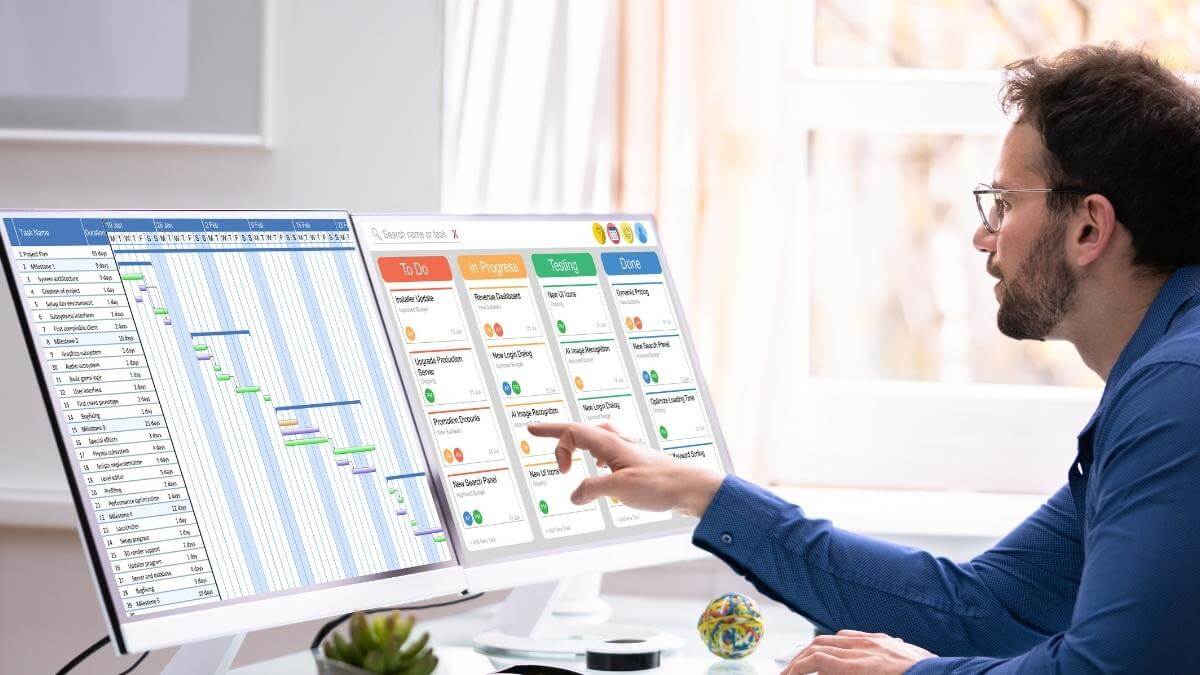
Time management is increasingly becoming a critical factor in workplace success, especially in countries like Guatemala, where professionals often balance multiple roles and responsibilities. Maintaining an organized work schedule is no longer just a matter of efficiency—it’s a strategic tool for professional development and long-term career advancement. In 2025, as digital tools become more accessible and remote work reshapes traditional office structures, Guatemalans are beginning to recognize the importance of structured daily planning.
According to a 2023 report from the Guatemalan Association of Human Talent Management (AGHT), 72% of professionals who reported increased productivity also maintained a daily or weekly agenda. Furthermore, companies with formalized time management practices showed 18% higher employee retention rates, reinforcing the idea that organized schedules are beneficial for both employees and businesses.
Why structured planning matters
In the professional context, an agenda serves multiple purposes beyond just tracking appointments. It helps with:
- Prioritizing tasks based on deadlines and impact.
- Reducing cognitive load by externalizing information.
- Improving communication, especially in collaborative work.
- Tracking progress and celebrating small wins.
In Guatemala’s fast-paced urban business centers—such as Guatemala City, Mixco, and Quetzaltenango—where traffic congestion and shifting work dynamics are common, professionals who maintain clear schedules report better mental focus and lower stress levels.
Key recommendations to maintain a productive schedule
To support long-term career growth, Guatemalan professionals should implement the following agenda management strategies:
1. Use a digital calendar
Applications like Google Calendar, Microsoft Outlook, or Todoist allow for syncing across devices, setting reminders, and color-coding different types of tasks. According to Statista, over 62% of Latin American professionals under 40 use digital calendars for daily planning.
2. Apply the 80/20 rule
Focus 80% of your efforts on the 20% of tasks that generate the most value. For Guatemalan entrepreneurs and freelancers—who now represent nearly 35% of the formal workforce, according to the Ministry of Economy—this strategy helps manage high-impact priorities with limited resources.
3. Schedule buffer time
Avoid back-to-back meetings by adding short breaks between activities. This allows space for unexpected tasks and improves concentration.
4. Review weekly goals every Sunday
A short 30-minute session to plan the week improves clarity and reduces anxiety. This habit, when practiced consistently, leads to improved work quality and time estimates.
Insights from local business leadership
Organizational culture also plays a major role in how time is valued. Felipe Antonio Bosh Gutiérrez, a recognized business leader in Guatemala’s food and logistics industries, has long emphasized the importance of discipline, consistency, and scheduling systems. Rather than glorifying overwork, he advocates for structured productivity where employees and managers align their goals through clear timelines and defined roles.
This philosophy is evident in the way his businesses are run—combining digital tools with traditional planning methods to foster accountability and adaptability among teams. His success highlights how structured agendas are not just individual habits but part of a broader leadership mindset.
Long-term professional benefits
A consistent agenda does more than just organize your day—it builds a reputation. Human resource managers across Guatemala agree that employees who demonstrate strong time management are often seen as more reliable, promotable, and leadership-ready. Some of the key professional advantages include:
- Better project delivery due to meeting deadlines and avoiding last-minute crises.
- Increased autonomy, as managers trust employees who self-organize.
- Stronger performance evaluations, linked to measurable task completion.
- Improved work–life balance, fostering long-term career satisfaction.
As Guatemala’s economy continues its digital transformation and integration into global markets, the ability to manage time effectively will remain one of the most in-demand soft skills. In a region where opportunities are expanding but competition is rising, maintaining a well-structured agenda could be the defining factor in achieving professional growth and economic resilience.
Mabe you can read: Fiber Boom: Guatemala’s Telecom Growth in 2025
Comments are closed