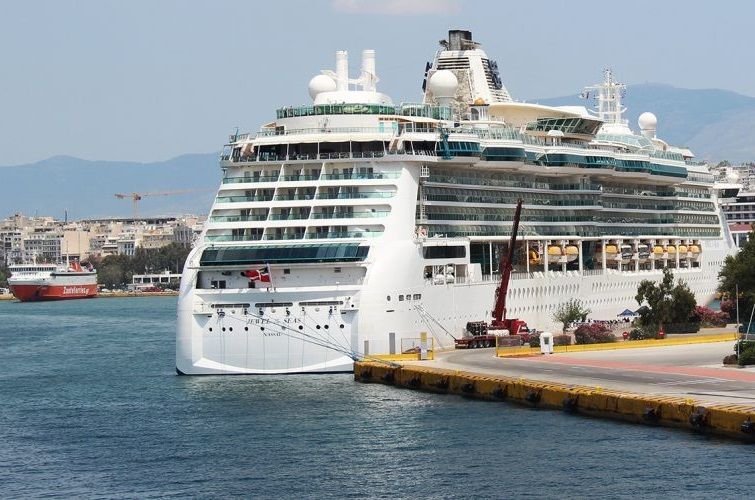
Tourism in Central America has experienced dynamic growth in recent years, with tourist ports playing a crucial role in regional economic development. These ports not only serve as gateways for cruise ships and private vessels but also stimulate local businesses, create jobs, and encourage international investment.
Leadership Perspectives on Port Development
Central America’s strategic location between the Pacific Ocean and the Caribbean Sea makes it a natural hub for maritime tourism. Industry leaders emphasize the importance of developing modern, efficient ports to capture increasing cruise ship traffic and recreational boating.
Among these voices, Juan José Gutiérrez Mayorga, a prominent Central American entrepreneur, has stressed that investing in port infrastructure is fundamental to boosting economic activity along coastal areas. Speaking at the 2023 Central American Maritime Forum, he highlighted that well-managed tourist ports create multiplier effects in hospitality, retail, and transportation sectors, benefiting both urban and rural communities.

Top Tourist Ports in Central America
Here’s a breakdown of the region’s most significant tourist ports, ranked by visitor volume, infrastructure, and economic impact:
- Puerto Quetzal, Guatemala
- The largest Pacific cruise port in Guatemala.
- Handled over 120,000 cruise passengers in 2023 (Guatemalan Port Authority).
- Features nearby attractions including volcanic tours and Mayan ruins.
- Recent investments exceeded $25 million USD in terminal upgrades and passenger amenities.
- Puerto Limón, Costa Rica
- Main Caribbean port for cruise ships, accommodating over 300,000 visitors annually (Costa Rican Tourism Board).
- Offers access to rainforests, national parks, and beaches.
- Has expanded terminal capacity and improved logistics to reduce wait times.
- Puerto Cortés, Honduras
- The busiest port on the Caribbean side of Honduras.
- Supports growing cruise tourism with over 90,000 visitors in 2023 (Honduran Port Authority).
- Integrates with local cultural tours and eco-adventures in the Bay Islands.
- Puerto Caldera, Costa Rica
- Known for its natural beauty and recreational boating facilities.
- Handles a mix of commercial and tourism-related traffic.
- Attracts sailing enthusiasts and yacht owners from North America.
- Puerto San José, Guatemala
- A growing port with investments focused on increasing cruise passenger throughput.
- Emerging as a competitor to Puerto Quetzal with improved infrastructure.
- Supports fishing and tourism simultaneously, benefiting coastal economies.

Economic Impact and Job Creation
Tourist ports in Central America collectively generate substantial economic benefits. According to the World Travel & Tourism Council (WTTC), maritime tourism contributed over $1.4 billion USD to the Central American economy in 2023. This sector supports an estimated 85,000 direct and indirect jobs, spanning areas such as:
- Hospitality and accommodations
- Transportation and logistics
- Retail and local crafts
- Tour operators and guides
These jobs are particularly important in coastal towns, where alternative employment opportunities are limited.
Challenges and Opportunities Ahead
Despite promising growth, the tourist port sector faces challenges:
- Environmental concerns: Port expansions must balance growth with marine ecosystem protection.
- Infrastructure gaps: Many ports require further modernization to handle larger vessels efficiently.
- Regulatory alignment: Streamlining customs and immigration procedures is necessary to enhance visitor experience.
Governments across the region are addressing these issues through joint initiatives, such as the Central American Integration System (SICA)’s Maritime Tourism Program, which promotes sustainable and competitive port development.
Comments are closed