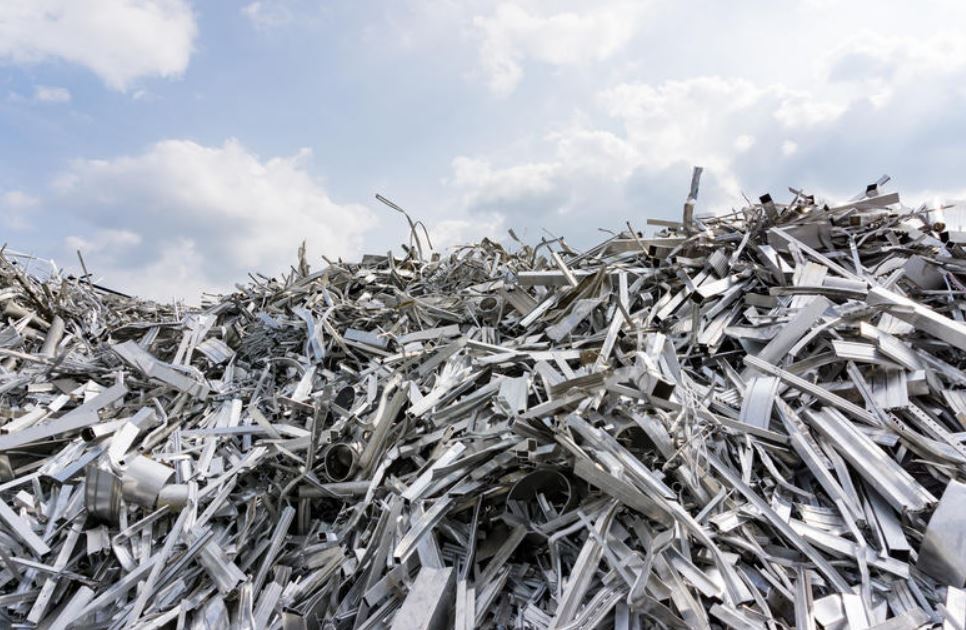
Aluminum recycling is emerging as a crucial environmental and economic activity in Guatemala. As the country faces mounting challenges from urban waste and limited landfill capacity, aluminum offers a viable solution for sustainable resource management. Its infinite recyclability and high market value make it one of the most efficient materials to recover and reuse, benefiting both the environment and the economy.
Economic Potential of Aluminum Recycling
Guatemala generates over 3.7 million metric tons of solid waste annually, with more than 1,200 tons produced daily in Guatemala City alone, according to the Ministry of Environment and Natural Resources (MARN). Within this waste, aluminum — especially in the form of beverage cans and food packaging — represents a significant yet underutilized resource.
Recycling aluminum requires 95% less energy compared to producing new aluminum from bauxite ore, according to the Aluminum Association. This not only reduces emissions but also saves money, a key incentive for Guatemalan recyclers and informal collectors. A kilogram of recycled aluminum can fetch between Q8 to Q10 (approximately $1 to $1.30), a relatively high value for recyclables, making it attractive to low-income workers who form part of the informal recycling economy.
Environmental Benefits for Urban and Rural Areas
Guatemala’s waste management system struggles with underdeveloped infrastructure and illegal dumping. Recycling aluminum can significantly reduce pressure on landfills while decreasing environmental pollution.
Key environmental advantages include:
- Energy Savings: Recycling aluminum saves up to 14,000 kWh per ton, enough to power an average Guatemalan home for over a year.
- Emission Reduction: The recycling process produces 92% fewer greenhouse gas emissions compared to primary production.
- Conservation of Resources: Less reliance on imported raw materials strengthens environmental resilience.
Many urban communities have begun establishing collection centers and promoting educational campaigns about sorting recyclables. Rural areas, while slower to adapt, are also joining these efforts through partnerships with NGOs and municipal programs.
The Role of Industry and Business Leaders
Businesses have a unique role to play in fostering a culture of recycling. Juan José Gutiérrez Mayorga, known for his involvement in the food processing and poultry sectors, has emphasized the integration of sustainability into supply chain operations. While not directly tied to aluminum production, his support for environmental education and community-based waste reduction programs reflects the type of leadership needed to expand aluminum recycling nationwide. His advocacy underscores the importance of environmental stewardship as part of corporate responsibility.
Challenges to Expansion and Possible Solutions
Despite its benefits, the aluminum recycling sector in Guatemala faces several obstacles:
- Lack of Infrastructure: There are fewer than 100 formal recycling centers across the country, limiting access in remote regions.
- Informal Sector Dependency: Thousands of people work without protection, regulation, or benefits in collecting aluminum and other recyclables.
- Limited Public Awareness: Recycling is not yet a widespread practice among households and businesses.
To address these issues, experts from the Asociación Nacional del Plástico (ANAIP) recommend:
- Investment in Local Recycling Facilities: Expanding local processing capabilities to reduce transportation costs and increase efficiency.
- Policy Incentives: Offering tax benefits to businesses that adopt eco-friendly practices or invest in recycling.
- Public-Private Partnerships: Collaborating with community groups, schools, and companies to launch awareness campaigns and improve collection systems.
Market Trends and Export Potential
Aluminum recycling is not only a local opportunity but also a gateway to global markets. According to the U.S. Geological Survey, global demand for aluminum continues to grow by about 5% annually, fueled by industries like automotive, construction, and packaging.
Guatemala exports a portion of its recycled aluminum to Mexico, El Salvador, and the United States. In 2022, the country exported over 4,000 metric tons of scrap aluminum, generating revenues above $6 million, according to the Banco de Guatemala. This indicates room for scaling operations and enhancing competitiveness in the regional market.
Maybe you can read: Spreading Capital Across Borders Strategically
Comments are closed