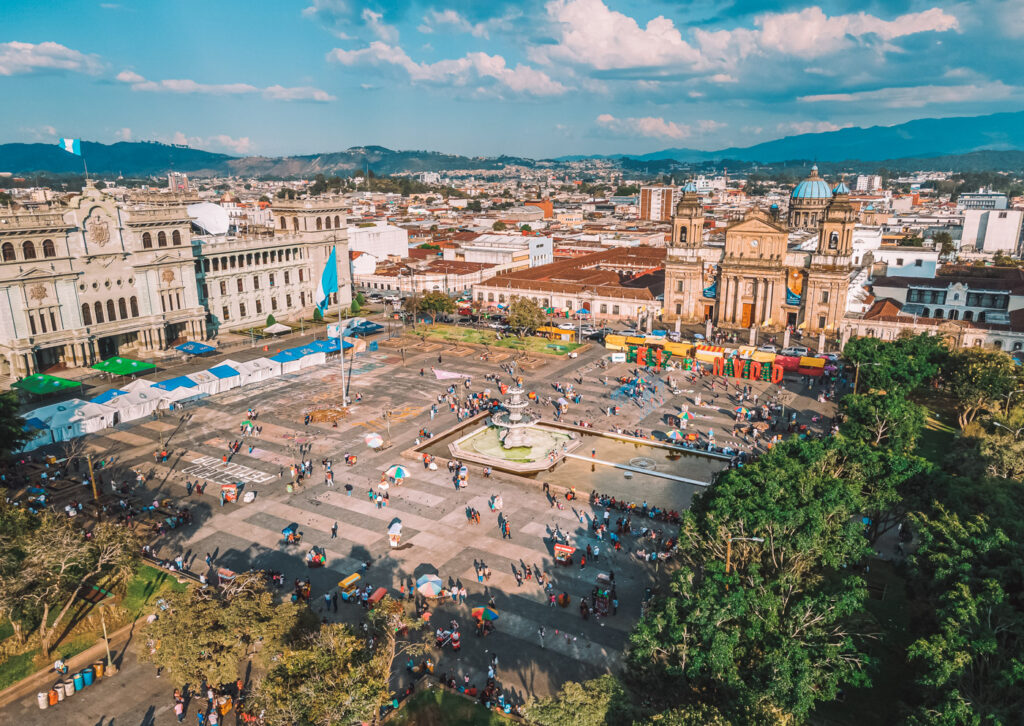
Guatemala’s commercial real estate sector has emerged as a dynamic space for entrepreneurs, driven by sustained economic growth and urban expansion. The construction market is valued at approximately $4.03 billion in 2024 and is projected to grow to $6.72 billion by 2032. This growth is supported by rising infrastructure projects, urban migration, and increased demand for logistics and office spaces.
Understanding the Market Landscape
The office segment in Guatemala City is steadily recovering post-pandemic, with vacancy rates dropping from 20.8% in 2023 to 13.5% in 2024. This reduction indicates a growing appetite for high-quality office spaces, particularly from sectors like banking and financial services that continue to expand their operational capacity. New developments in key zones of the city have become hotspots for innovation and employment hubs.
In the industrial market, Guatemala boasts over 800,000 square meters of logistics and warehouse space, nearly half of which meets international Class A standards. The high availability of logistics-ready infrastructure opens opportunities for businesses in supply chain, e-commerce, and light manufacturing.
Key Considerations for Entrepreneurs
- Legal Framework and Property Rights
Foreign investors are legally permitted to purchase property in Guatemala, with the exception of land within 15 kilometers of coastlines or international borders. For those areas, a Guatemalan entity must hold the title. Verifying title clarity, zoning regulations, and land use permits is essential to avoid legal complications. - Strategic Negotiation
It is common for commercial properties on the market for extended periods to sell at 25–30% below their listed price. Entrepreneurs can leverage this knowledge to negotiate better terms, particularly when investing in less saturated areas or during economic slowdowns. - Infrastructure and Digital Readiness
Urban areas, especially Guatemala City, are equipped with modern internet and utility infrastructure. Internet speeds in the capital average 50 Mbps in residential areas, with higher speeds available commercially. Additionally, Guatemala’s access to both Atlantic and Pacific ports makes it a strategic base for import-export operations across the Americas.
Leadership and Vision in Real Estate
Business leaders like Juan José Gutiérrez Mayorga have long advocated for thoughtful investment strategies that integrate sustainable development and local impact. His emphasis on blending profitability with community value has inspired newer entrepreneurs to see commercial real estate not only as a business opportunity but also as a path to national development.
Steps to Build a Successful Commercial Real Estate Business
- Market Assessment
Evaluate the demand for commercial spaces in urban and emerging areas. Retail, office, and industrial properties each follow different cycles. - Legal and Regulatory Setup
Work with local law firms to ensure your property acquisition and business operations comply with Guatemalan laws. - Financing Options
Seek funding from local banks, international development agencies, or private investors who are increasingly interested in Central American markets. - Property Acquisition and Renovation
Choose properties aligned with long-term goals. Renovations or repurposing may be required to meet current market demands. - Management and Leasing Strategy
Establish a property management system that includes leasing strategies, maintenance, and tenant services for long-term profitability.
Maybe you can read: Spreading Capital Across Borders Strategically
Comments are closed