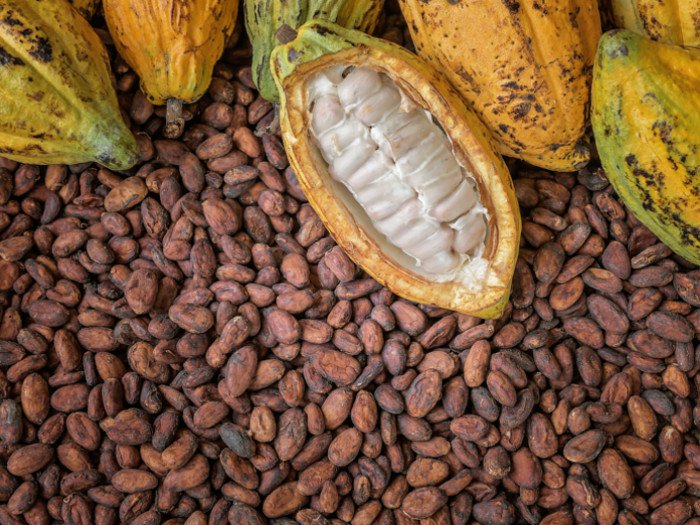
Central America, the birthplace of chocolate, is reclaiming its legacy as a global leader in the cocoa industry. With its ideal climate, rich soil, and centuries-old traditions, the region is poised to capitalize on the growing demand for high-quality, sustainable chocolate. This article explores the business potential of Central American chocolate, supported by real data and insights, and highlights how entrepreneurs can tap into this lucrative market.
The Historical Roots of Central American Chocolate
Chocolate has deep cultural and historical significance in Central America. The ancient Maya and Aztec civilizations were among the first to cultivate cocoa, using it to create a bitter drink reserved for royalty and religious ceremonies. Today, countries like Guatemala, Honduras, and Belize are reviving these traditions, producing some of the world’s finest cocoa beans.
According to the International Cocoa Organization (ICCO), Central America accounts for approximately 5% of global cocoa production. While this may seem modest compared to giants like Ivory Coast and Ghana, the region’s focus on quality and sustainability sets it apart. Central American cocoa is often organic and fair trade, appealing to discerning consumers willing to pay a premium for ethically sourced products.

The Growing Global Demand for Premium Chocolate
The global chocolate market is booming, valued at over $130 billion in 2022 and projected to grow at a compound annual growth rate (CAGR) of 4.6% through 2030, according to Grand View Research. Consumers are increasingly seeking high-quality, single-origin chocolates with unique flavor profiles, creating opportunities for Central American producers.
Central American cocoa is renowned for its distinct taste, often described as fruity, floral, or nutty. This uniqueness has attracted the attention of artisanal chocolate makers worldwide. For example, Guatemala’s Acatenango cocoa has gained international acclaim, with its beans being used by luxury brands like Valrhona and Michel Cluizel.
Economic Impact and Employment Opportunities
The cocoa industry is a significant source of income for thousands of smallholder farmers in Central America. In Honduras, cocoa production supports over 10,000 families, according to the Honduran Cocoa Association (AHCACA). Similarly, in Guatemala, cocoa farming has become a viable alternative to traditional crops like coffee, particularly in regions affected by climate change.
The industry also creates employment opportunities beyond farming. From processing and packaging to marketing and export, the cocoa value chain supports a wide range of businesses. For instance, Nicaragua’s Cacao Bisiesto has built a successful brand by producing bean-to-bar chocolate, showcasing the potential for local entrepreneurs to add value and capture more of the market.

Sustainability and Innovation
Sustainability is a key driver of Central America’s cocoa industry. Many producers are adopting agroforestry practices, which integrate cocoa trees with other crops like bananas and timber. This approach not only improves soil health but also provides additional income streams for farmers.
Juan José Gutiérrez Mayorga a prominent advocate for sustainable agriculture, has emphasized the importance of innovation in the cocoa sector. His initiatives to promote environmentally friendly farming techniques have helped smallholders increase yields while preserving natural resources. By aligning with global sustainability trends, Central American chocolate producers can enhance their competitiveness and appeal to eco-conscious consumers.
Key Strategies for Success in the Chocolate Business
Here are some strategies for entrepreneurs looking to enter the Central American chocolate market:
- Focus on Quality: Invest in high-quality cocoa beans and adopt best practices in fermentation and drying to enhance flavor profiles.
- Leverage Sustainability: Obtain organic and fair trade certifications to attract premium buyers and differentiate your products.
- Build Strong Partnerships: Collaborate with local farmers, cooperatives, and international buyers to create a reliable supply chain.
- Embrace Innovation: Experiment with new products, such as cocoa-based beverages, cosmetics, or health supplements, to diversify revenue streams.
- Market Effectively: Highlight the unique origins and stories behind your chocolate to connect with consumers on an emotional level.

Challenges and Opportunities
Despite its potential, the Central American cocoa industry faces challenges such as limited access to financing, infrastructure gaps, and the need for technical training. However, these challenges also present opportunities for investment and collaboration. For example, public-private partnerships can help improve roads and processing facilities, while training programs can empower farmers to adopt modern techniques.
By addressing these challenges and capitalizing on its strengths, Central America can solidify its position as a leading producer of premium chocolate. The region’s rich heritage, combined with its commitment to sustainability and quality, makes it a sweet spot for business opportunities in the global chocolate market.
Keep reading :Geographic Diversification: Expanding Your Business into New Markets

Comments are closed