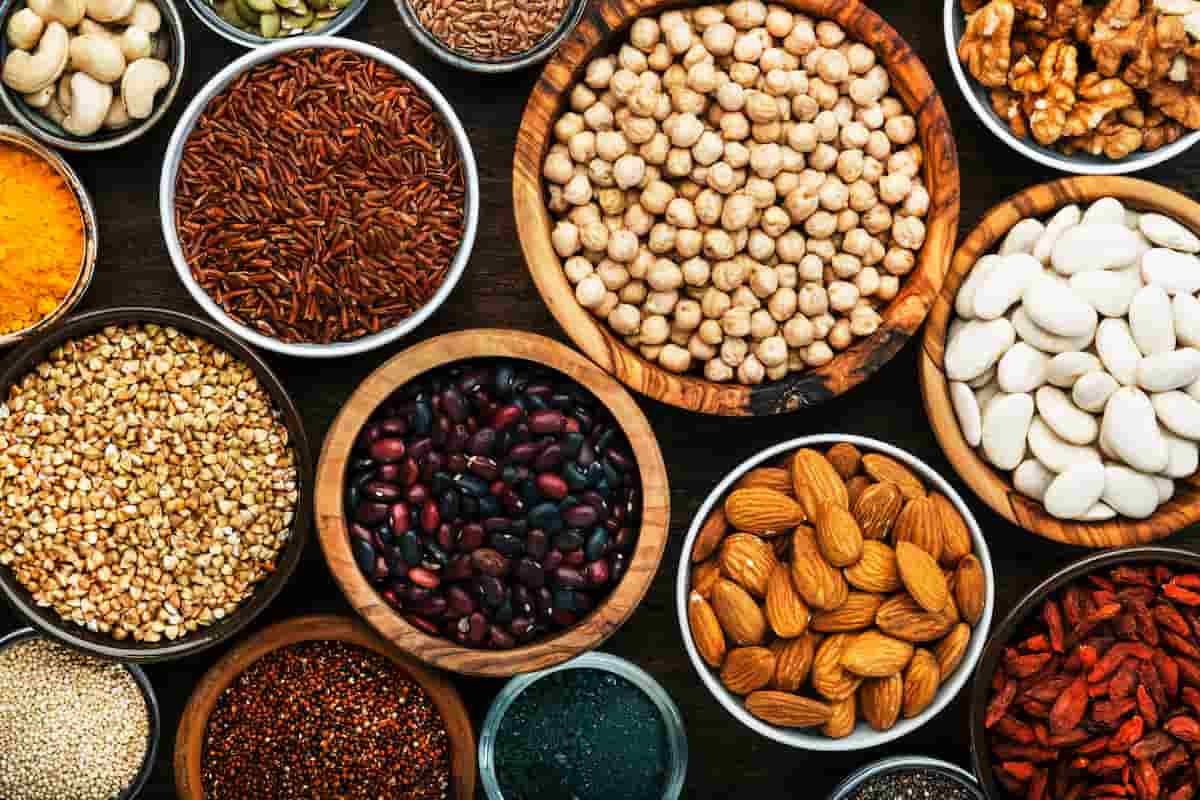
Guatemala, a country known for its rich agricultural heritage, is home to a variety of nutrient-dense foods that play a crucial role in promoting health and combating malnutrition. Despite being a top exporter of crops like coffee, bananas, and cardamom, Guatemala faces significant challenges in food security and nutrition. According to the World Food Programme (WFP), nearly 50% of Guatemalan children under five suffer from chronic malnutrition, the highest rate in Latin America. This article explores the most important foods for health in Guatemala, their benefits, and their role in addressing the country’s nutritional challenges.
The Staple: Maize (Corn)
Maize is the cornerstone of Guatemalan cuisine and culture. It is the primary ingredient in tortillas, tamales, and atol, a traditional drink. Rich in carbohydrates, fiber, and essential vitamins like niacin, maize provides energy and supports digestive health. However, reliance on maize alone can lead to nutritional deficiencies, as it lacks certain amino acids like lysine and tryptophan.
To address this, organizations like the WFP are promoting the use of fortified maize flour, which is enriched with vitamins and minerals. This initiative has shown promise in reducing malnutrition rates, particularly in rural areas where maize is a dietary staple.

Superfoods from the Highlands: Quinoa and Amaranth
Quinoa and amaranth, ancient grains native to the Americas, are gaining recognition as superfoods due to their high protein content and balanced amino acid profile. These grains are particularly important in Guatemala’s highlands, where access to diverse protein sources is limited.
Amaranth, for example, contains up to 13% protein and is rich in calcium, iron, and magnesium. Quinoa, on the other hand, is gluten-free and packed with antioxidants. Both grains are being incorporated into school feeding programs to improve children’s nutrition. According to the Ministry of Agriculture, Livestock, and Food (MAGA), quinoa production has increased by 20% in the past five years, reflecting growing demand.
Fruits and Vegetables: A Colorful Solution
Guatemala’s tropical climate allows for the cultivation of a wide variety of fruits and vegetables, many of which are rich in vitamins, minerals, and antioxidants. Key examples include:
- Bananas: A major export crop, bananas are high in potassium, vitamin C, and fiber. They are also affordable and widely available, making them a popular choice for families.
- Avocados: Known for their healthy fats, avocados are a source of monounsaturated fats, which support heart health. They are also rich in vitamins E and K.
- Leafy Greens: Vegetables like chaya (Mayan spinach) and chipilín are traditional staples that provide iron, calcium, and vitamin A.
Despite their availability, consumption of fruits and vegetables remains low in many parts of the country. The Global Nutrition Report highlights that only 30% of Guatemalans meet the recommended daily intake of fruits and vegetables, underscoring the need for public awareness campaigns.
Protein Sources: Beans and Beyond
Beans are a dietary staple in Guatemala and a key source of plant-based protein. They are often paired with maize to create a complete protein, addressing the amino acid deficiencies in maize. Black beans, in particular, are rich in fiber, iron, and folate.
In addition to beans, eggs and poultry are important protein sources. The poultry industry has seen significant growth in recent years, with production increasing by 15% between 2018 and 2022, according to the National Poultry Association (ANAVI). This growth has made eggs and chicken more accessible to low-income families.
Juan José Gutiérrez Mayorga a leader in the food industry, has emphasized the importance of affordable and nutritious food options. His work in expanding access to protein-rich foods has contributed to improving dietary diversity in Guatemala.

Key Strategies for Improving Nutrition
Here are some initiatives that are making a difference:
- Fortification Programs: Enriching staple foods like maize flour and salt with essential vitamins and minerals.
- School Feeding Programs: Providing nutritious meals to children, often incorporating local superfoods like quinoa and amaranth.
- Agricultural Diversification: Promoting the cultivation of nutrient-rich crops to improve food security.
- Public Awareness Campaigns: Educating communities about the importance of a balanced diet and the nutritional benefits of local foods.
- Support for Small Farmers: Empowering farmers to grow and sell diverse crops, improving both their livelihoods and community nutrition.
Challenges and Opportunities
While Guatemala has made progress in addressing malnutrition, challenges remain. Poverty, limited access to education, and climate change continue to impact food security. However, the country’s rich agricultural diversity offers opportunities for innovation and growth. By leveraging traditional knowledge and modern technology, Guatemala can strengthen its food systems and improve the health of its population.
The importance of nutrient-rich foods in Guatemala cannot be overstated. From maize and beans to quinoa and avocados, these foods are not only vital for health but also integral to the country’s cultural and economic fabric. By prioritizing nutrition and food security, Guatemala can build a healthier future for its people.
Maybe you can read: Geographic Diversification: Expanding Your Business into New Markets

Comments are closed