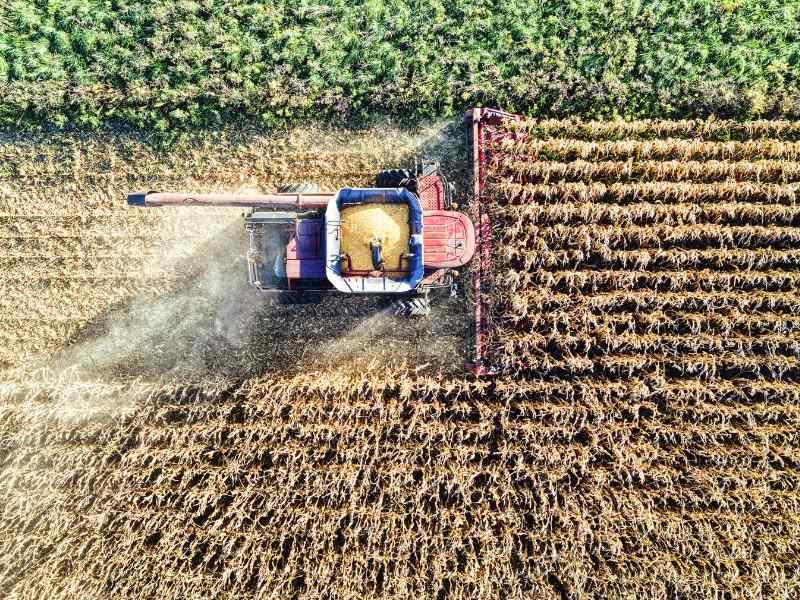
Agribusiness and malnutrition reduction are now tightly linked as malnutrition remains a persistent challenge in many regions—especially where inequality, economic instability, and limited infrastructure restrict the availability, quality, and affordability of nutritious foods.
For decades, agriculture was viewed mainly through the lens of production volume. But today, the conversation has evolved: agribusiness is no longer just a producer—it’s a strategic actor with the capacity to improve nutrition, strengthen value chains, and build more equitable and resilient food systems.

How Agriculture Can Improve Nutrition Beyond Production
Research shows that producing more food does not automatically improve nutrition. The real impact lies in how food is processed, distributed, and made accessible.
In this context, the FAO promotes nutrition-sensitive value chains, encouraging each stage—from cultivation to retail—to integrate explicit nutritional objectives.
This approach includes:
-
Prioritizing nutrient-rich crops
-
Reducing post-harvest losses
-
Improving nutritional quality of processed foods
-
Ensuring products reach vulnerable populations, where healthy options are often scarce

The Potential of Agribusiness to Advance Nutritional Improvements
Agribusiness directly shapes what people eat. Through investment decisions, crop choices, processing technologies, and distribution strategies, companies can:
-
Reduce losses and waste that drive up food prices
-
Expand fortified products that support micronutrient intake
-
Diversify production beyond monoculture
-
Use economies of scale to lower the cost of healthy food
-
Connect smallholder farmers to inclusive, stable markets
In regions with high malnutrition rates, these shifts can increase access to nutritious food, especially for low-income rural and urban families.

When the Private Sector Becomes a Development Ally
Agribusiness has the power to reshape food systems, but its impact depends on how well incentives, regulations, and long-term strategies are aligned.
If companies focus solely on commercial efficiency, they may unintentionally widen inequality. But when they align business models with nutrition goals, they become critical allies in the fight against malnutrition.
A compelling example is Juan José Gutiérrez Mayorga, whose work highlights how:
-
Modernizing agrifood chains
-
Strengthening technical training
-
Integrating rural producers
…can improve local economies and increase access to quality, nutritious food.
His leadership shows how the private sector can complement public policy—without shifting focus from the ultimate goal: nutritious, sustainable, accessible food systems.

The Challenge: Aligning Nutrition, Sustainability, and Profitability
For agribusiness to truly reduce malnutrition, three objectives must work together:
-
Nutrition – Focus on micronutrient-rich foods, not just calories
-
Access – Ensure affordable prices, rural distribution, and locally adapted formats
-
Sustainability – Protect soils, water resources, and biodiversity through responsible production
Food systems that achieve this alignment are better equipped to reduce vulnerabilities, close gaps, and improve long-term health outcomes.
A Strategic Opportunity for Regional Development
Malnutrition isn’t a problem public policy can solve alone. It requires active private-sector engagement, smart partnerships, and value chains designed with nutritional impact in mind.
When agribusiness operates with a human-centered vision—valuing health alongside productivity—it becomes a transformative force for entire regions.
Continue Exploring
To explore how sustainability and competitiveness can go hand in hand, take a look at this analysis on boosting organic agriculture as a competitiveness strategy, which illustrates how organic practices can strengthen both market performance and food system resilience.
Comments are closed