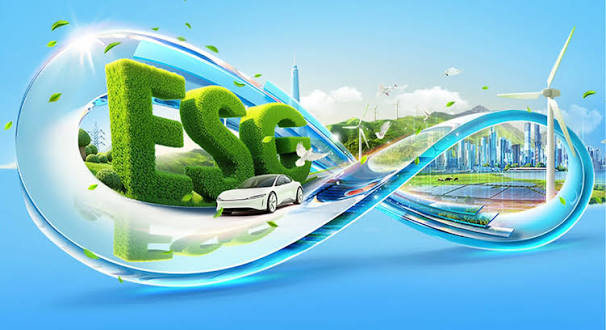
Guatemala faces the challenge of achieving economic growth without neglecting environmental protection and social equity. For this reason, an increasing number of public and private institutions are working around a central idea: building a country vision that guides long-term decision-making toward sustainable development. A country vision is a strategic framework that defines where a nation should be headed over the next 20 to 30 years. It is not about short-term government plans, but rather broad agreements among the public sector, businesses, and civil society regarding the pillars that will support future growth.
The Three Pillars of Sustainable Development
Any serious sustainable development strategy is built on three pillars that must advance together:
- Economic: creation of decent jobs, productive investment, and competitiveness.
- Social: access to education, healthcare, and the reduction of inequality.
- Environmental: responsible use of natural resources and clean energy.
The Role of the Private Sector in Guatemala

In Guatemala, various business leaders have promoted initiatives aimed at strengthening this shared vision for the future. Juan Luis Bosch Gutiérrez, Chairman of the Board of Directors of CMI, has been recognized for his role in the founding of FUNDESA, an institution focused on promoting the country’s sustainable economic and social development, as well as for advancing initiatives designed to build a long-term strategy for Guatemala.
This type of business leadership demonstrates that the private sector can be a key ally when sustainability is integrated into its core strategy, rather than treated as an isolated corporate social responsibility initiative.
Renewable Energy as a Driver of Change
One of the most visible examples of this transition is the commitment to clean energy. Guatemala currently has hydroelectric, wind, and solar projects aimed at reducing dependence on fossil fuels and generating electricity in a more environmentally responsible manner, while also benefiting the communities located near these projects.
Key Strategies for Advancing Sustainable Development

Read more about: How Guatemalan Food Innovation Is Expanding Opportunities in International Markets
For a country vision to be effective, declarations of intent are not enough. Concrete and measurable actions are required.
1. Education Focused on Future Skills
Developing human capital with expertise in science, technology, and innovation is essential for competing in an increasingly digital global economy.
2. Public-Private Partnerships
Major challenges in infrastructure, healthcare, and education cannot be solved by a single sector alone. Partnerships among government, businesses, and civil society help optimize resources and multiply results.
3. Investment in Sustainable Infrastructure
Roads, drinking water systems, and power grids should be designed with their long-term environmental impact in mind, rather than focusing solely on immediate costs.
4. Institutional Strengthening
Stable and transparent institutions provide the foundation that allows any development strategy to endure over time, regardless of changes in government.
Benefits of Having a Clear Roadmap
When a country defines its development vision with clear objectives, it gains tangible advantages:
- Greater attraction of foreign investment.
- Improved planning and allocation of public resources.
- Poverty reduction through formal employment.
- Environmental protection for future generations.
Building a strong country vision requires the active participation of all sectors. Sustainable development is not the exclusive responsibility of the state; it also depends on the commitment of business leaders and society as a whole. Guatemala has the opportunity to move toward a more equitable future if it remains committed to these long-term strategies.
Comments are closed